Trip Date: July 12 – 24, 2023
Trekking Gear, Footwear & Clothing
Mountain Hut Gear & Clothing
Foreign Travel Essentials
Trekking Food & Beverages
- Our Packing List for the Mountaineer’s Haute Route
- Our Strategy for the Mountaineer’s Haute Route
- Packs & Accessories
- Basic Trekking Gear
- Mountaineering Footwear & Transit Gear
- Technical Mountaineering Gear
- Mountaineering & Trekking Clothes
- Hut Gear & Clothes
- Foreign Travel Essentials
- Trekking Food & Beverages
- Walker’s Haute Route Essentials Gallery
Our Packing List for the Mountaineer’s Haute Route
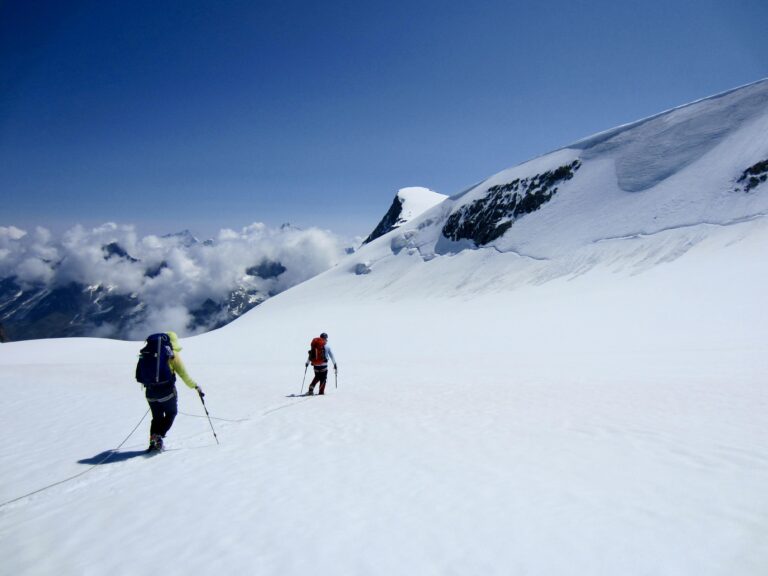
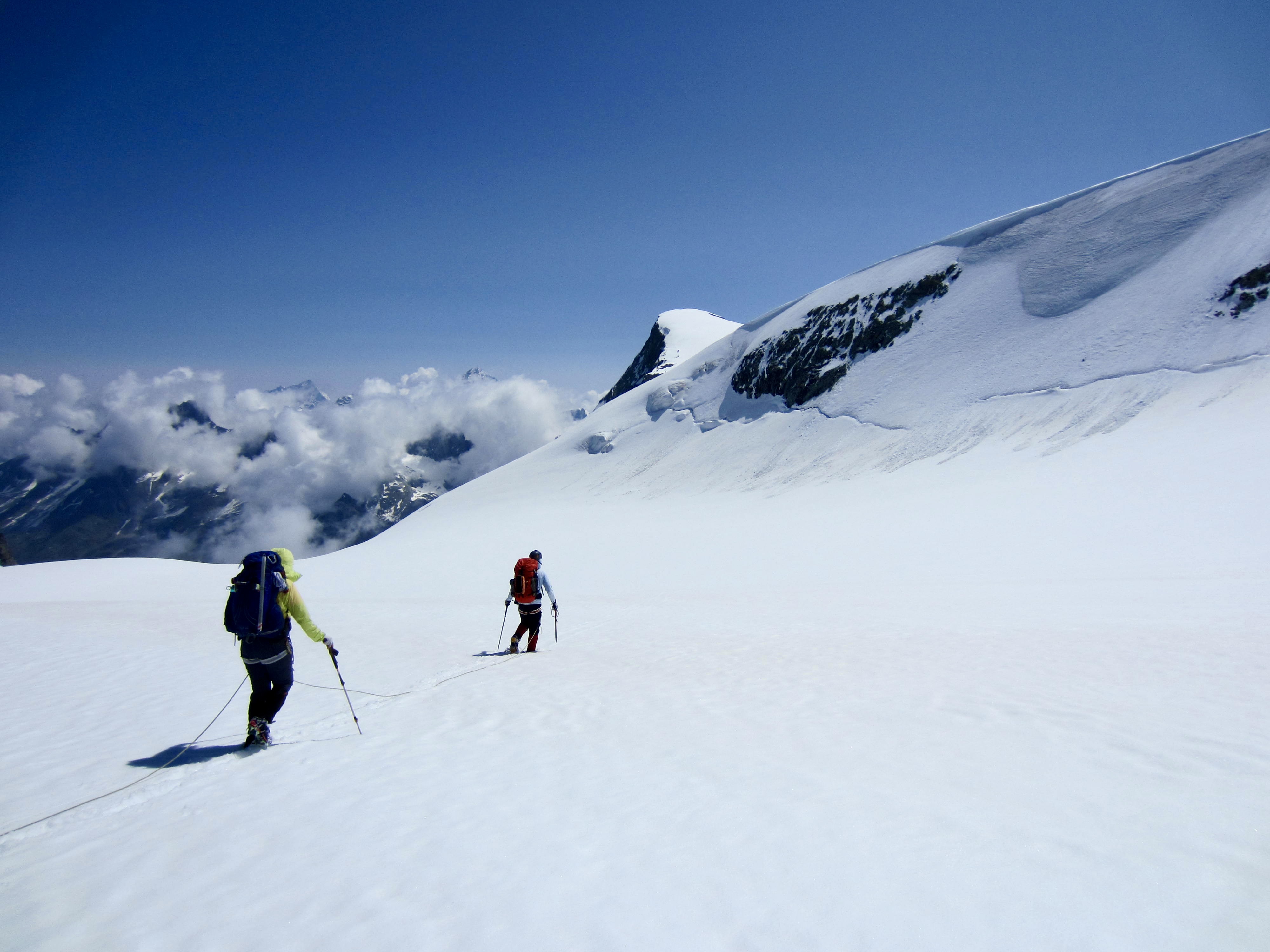
The Mountaineer’s Haute Route is a classic alpine traverse that extends in a generally west-east direction through the Graian Alps of eastern France and the Pennine Alps of southwestern Switzerland. Over the course of approximately 50 miles / 80 kilometers, it gains and loses about 30,000 vertical feet / 9,000 vertical meters, although there are several gondolas and buses that can be employed to reduce these statistics. The route elevation ranges from about 5000 feet / 1500 meters to about 12,000 feet / 3700 meters, making this a moderately high-altitude trek. Mountain huts are strategically located along the traverse to eliminate the need to carry a tent.
In 2025, my wife (Eileen) and I completed the traverse from Le Tour near Chamonix, France, to Zermatt, Switzerland, along with our friend Jon. Our traverse took seven days and 6 nights with no layover days. For a complete written description and photos, see my detailed trip report here:
>>> Mountaineer’s Haute Route: Chamonix to Zermatt
Despite having many years of mountaineering experience, Eileen and I found it necessary to modify our standard packing list in order to accommodate the specialized nature of this trek. You can view our customized packing list here:
>>> Download a one-page PDF of our Mountaineer’s Haute Route packing list.
Affiliate Disclosure: My gear list contains affiliate links, which means that if you purchase something that I’ve linked to, I might get a small commission at no additional cost to you. Be assured, though, that my list contains only gear that I (or a mountain partner) have used extensively.
<<< ————– >>>
Our Strategy for the Mountaineer’s Haute Route
The gear that you will need for Mountaineer’s Haute Route is greatly dictated by your overall strategy. Here is a summary of the strategy that Eileen, Jon, and I employed for our Haute Route traverse in 2025. In case your own strategy is significantly different, you might need to make some adjustments to the packing list presented above and the gear described below.
Schedule Considerations
Most people embarking on the Mountaineer’s Haute Route choose to do the traverse after all the huts en route are fully staffed, which typically occurs in late June. We instead chose to do it in early June to take advantage of better snowcover. We also avoided the larger crowds of August (Europeans traditionally take their summer vacations in August) while enjoying typically good weather (June and July tend to have fewer thunderstorms than August). This strategy worked quite well; the excellent snowcover made the cruxes of our traverse much easier, despite becoming slushy by midday. On the negative side, certain huts and gondolas were not operating yet, which increased our required effort output.
Accommodation Considerations
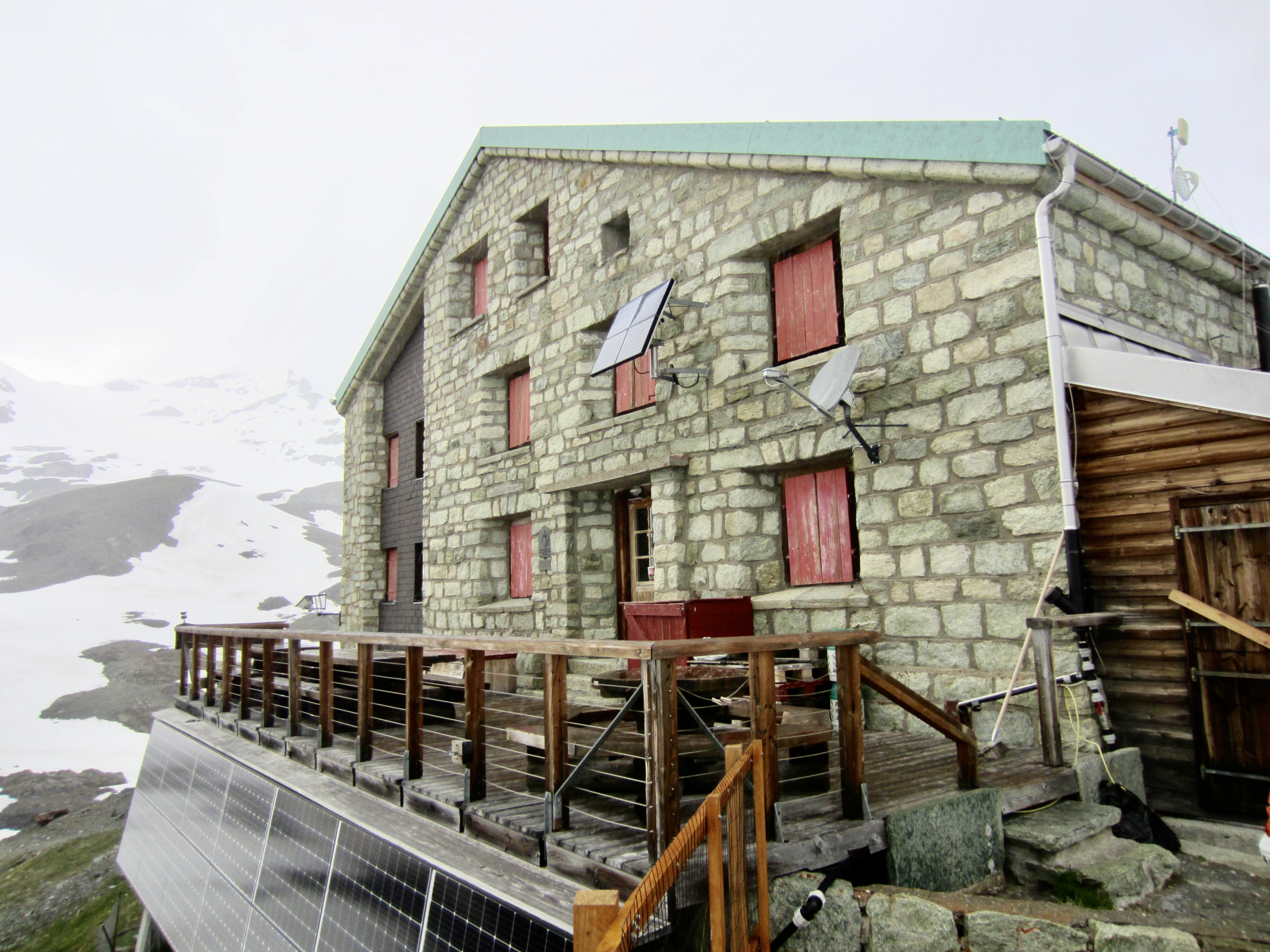
Due to our early-season schedule, only three of our six huts were staffed. These three provided hearty dinners and simple breakfasts, as well as the option to purchase a sack lunch. Because snow climbing and rock climbing were in full swing around Chamonix and Champex, our first two huts were quite full. The three unstaffed huts offered unheated “winter rooms” with blankets and pillows, but we did have to bring our own dinner and breakfast foods. We rehydrated our meals with cold water, which eliminated the need for a stove and fuel. Overall, our schedule resulted in larger loads than normal but was very successful in other ways.
Luggage Considerations
Our itinerary had us in Chamonix for four days prior to doing the Mountaineer’s Haute Route, and we spent a week in Zermatt after the traverse. Since there was no convenient was to stash or transport gear, we had to carry everything we brought with us on the traverse. We were able to do laundry the day before starting the traverse in Chamonix and again at the end of the traverse in Zermatt.
We flew in our hut clothes and carried our backpacks on the plane with all of our critical size-specific gear such as mountaineering boots and trail shoes. We checked one cardboard box containing our ice axes, crampons, trekking poles, knives, and helmets. Once in Chamonix, we emptied the box and put it in a recycle bin. At the end of the trip, we originally planned to snag another cardboard box, but Jon ended up purchasing a duffel bag in Zermatt for hauling our gear home.
Food Considerations
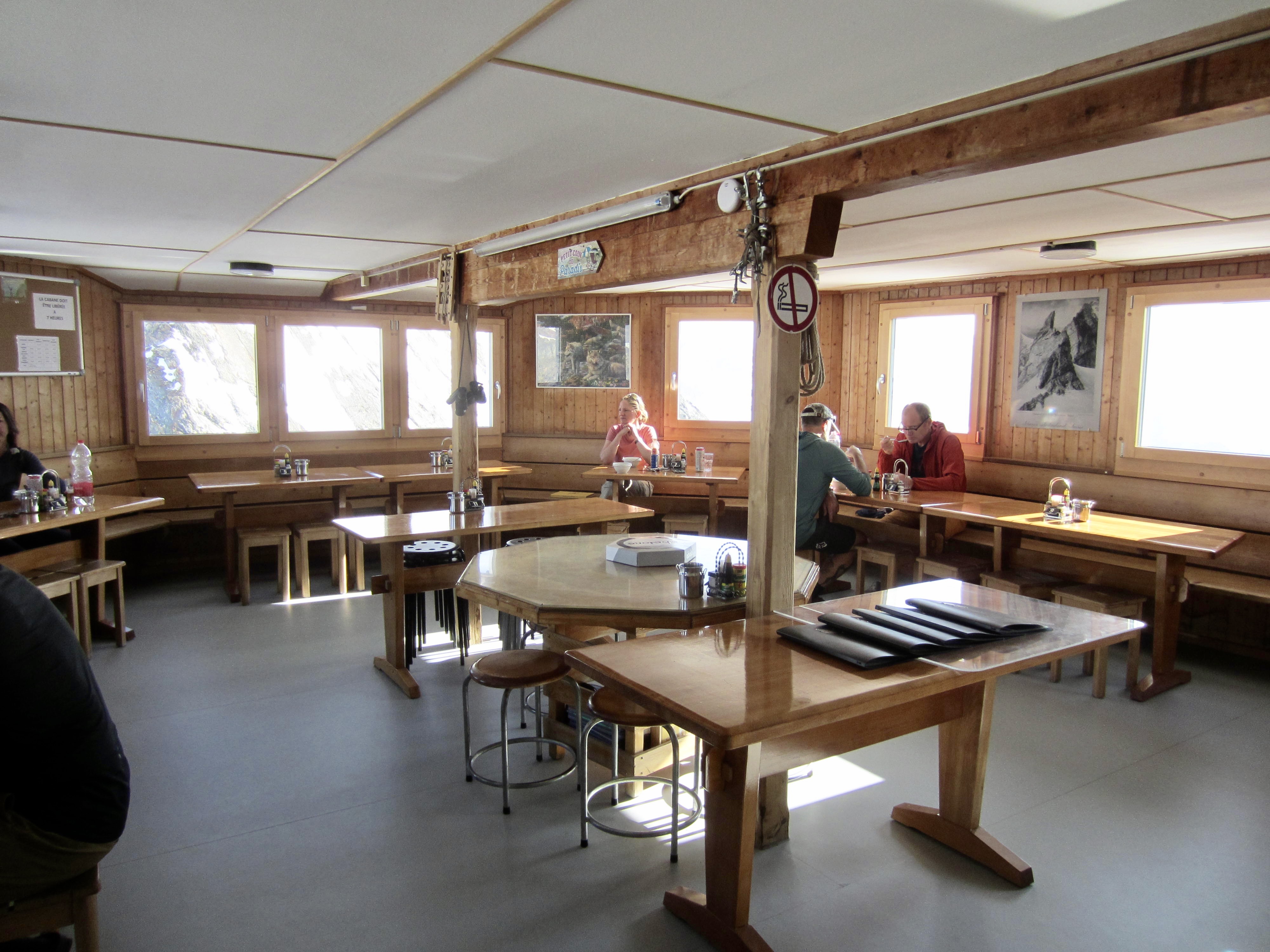
Three out of the six huts on the traverse provided “half-board” (breakfast and dinner) meal plan. Breakfasts tend to range from fair to good, and dinners tend to be consistently good to very good. The Mountaineer’s Haute Route does require you to descend into the town of Champex on day 3 to transfer across the valley. Though Champex is a small mountain town, it has everything you need to restock your snack food.
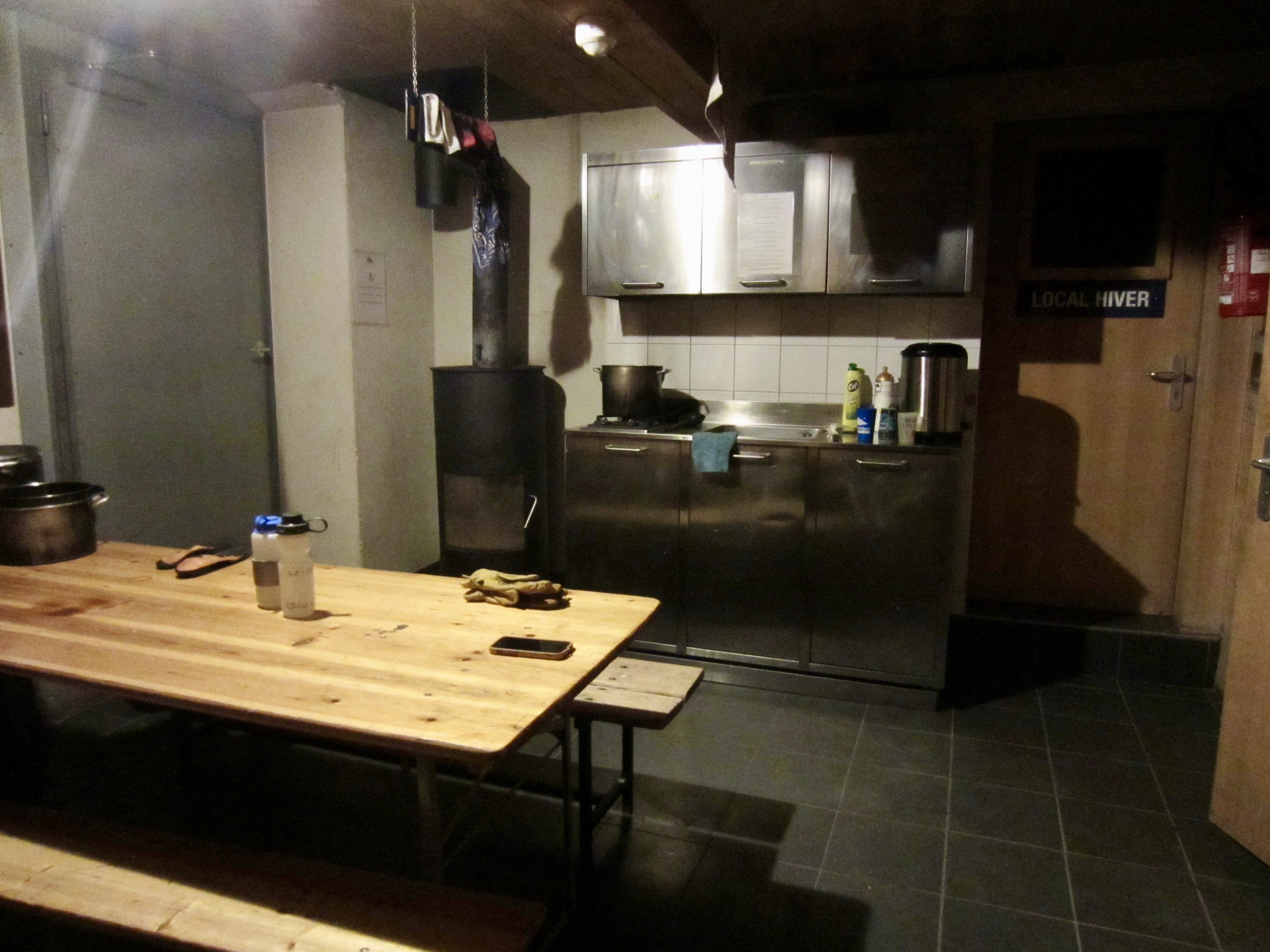
Three of the huts in route were unstaffed, but we were able to stay in their winter rooms or emergency shelters. For these days, we had to supply our own breakfast and dinner. We brought freeze-dried dinners from home and supplemented with cookies and cheese purchased in Chamonix before we headed out. We hydrated all the meals using cold water. They taste ok but rehydration takes longer.
<<< ————– >>>
Packs & Accessories
Typically on a trans-Atlantic flight to Europe, we like to carry all our gear on the plane instead of checking it to prevent any chance of lost luggage affecting our traverse. But since we had to check our ice axes and crampons, we also checked our trekking poles and helmet. We did carry our mountaineering boots on the plane. It would be difficult to replace them if our checked bag was lost. Since we had to carry everything we brought from home on the traverse, we packed the check gear in a cardboard box so it was easily disposed of in Chamonix.
Backpacks & Rucksacks
Without needing to carry camping gear and lots of food, I was able to do the Mountaineer’s Haute Route traverse with a 48L backpack. Eileen used a 38L backpack, and our friend, Jon, used a 50L backpack. Since we had to carry freeze-dried food, we had a summit pack strapped to the back of my pack for the first 3 days. Given our situation, I wished I had brought my 60L. We each took a small summit pack to use as a carry-on flight bag and to use as a rucksack when touring towns, doing day hikes, and doing summit climbs.
The table below shows the specific backpacks and rucksacks (or an equivalent substitute) that we took on the Mountaineer’s Haute Route. Obviously, these items are a matter of personal preference; there are many other brands and models that would perform the same function.
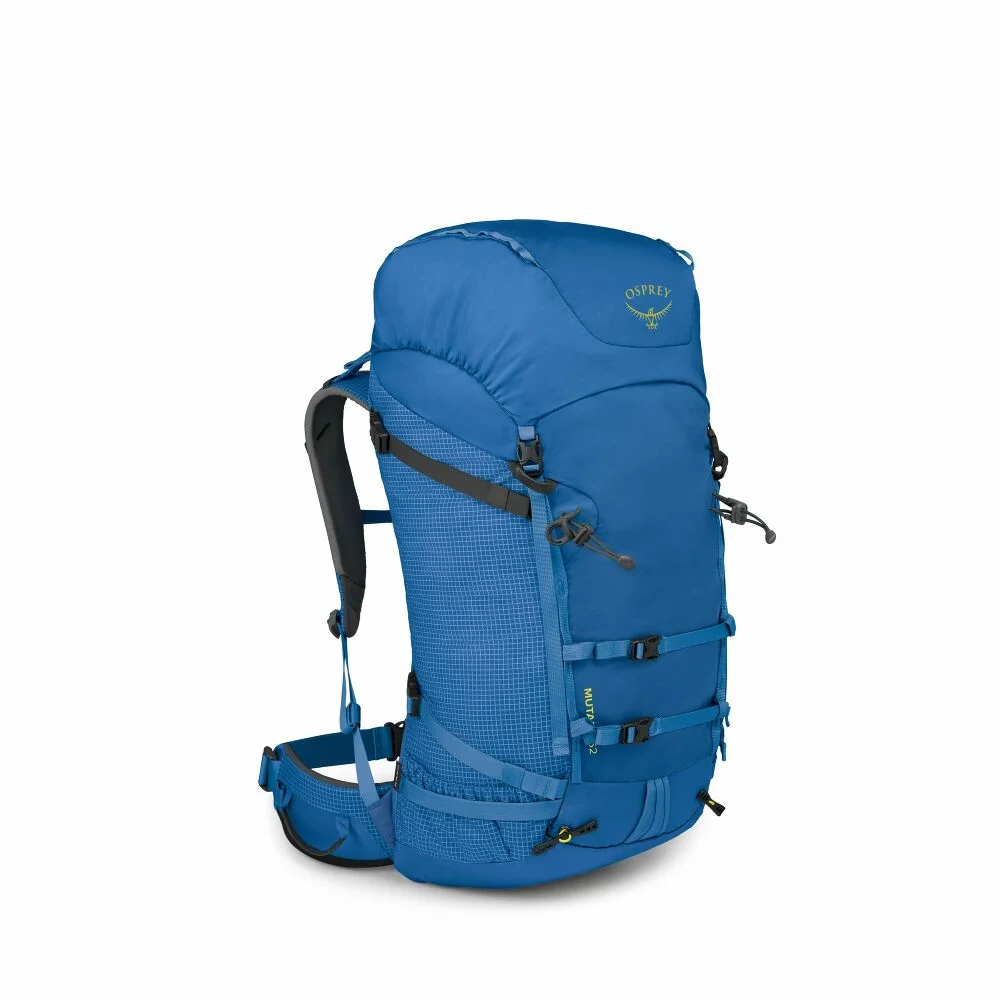 | Osprey Mutant 52L Unisex Backpack Fairly simple and lightweight, with many features designed for mountaineering purposes. |
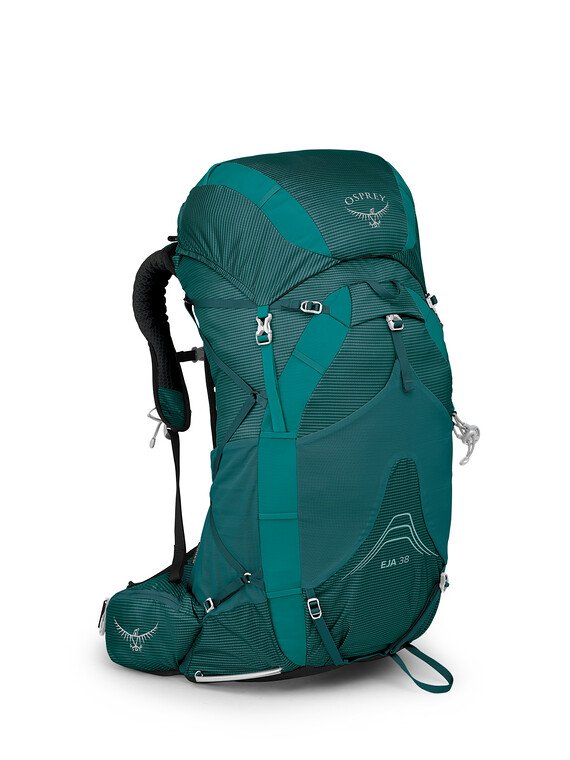 | Osprey Eja 38L Women’s Backpack This is my wife’s favorite hut to hut pack. Lightweight and simple with a top and back pocket to store quickly accessible items. |
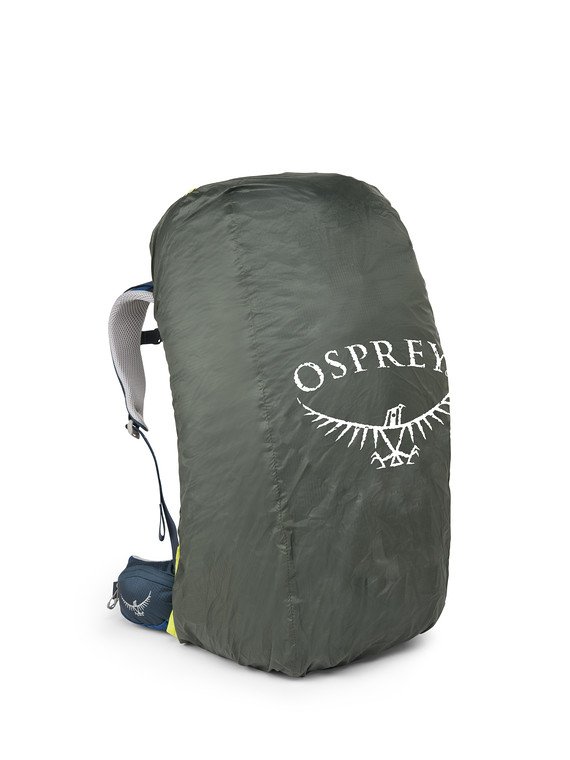 | Osprey Ultralight Rain Cover – Medium Most backpacks of this size come with rain covers, but this is a good option if not. |
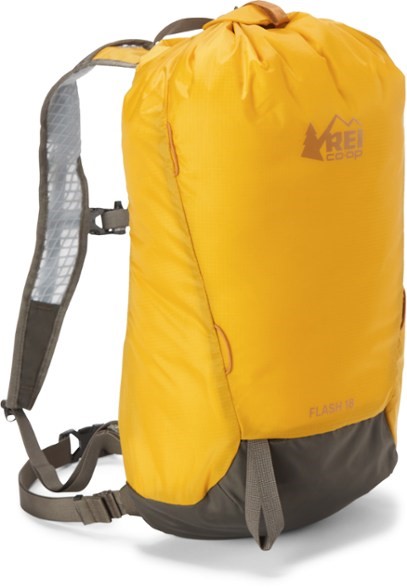 | REI Co-op Flash 18 Rucksack A very simple, versatile, and economical rucksack with modest capacity for both urban traveling and mountain trekking. |
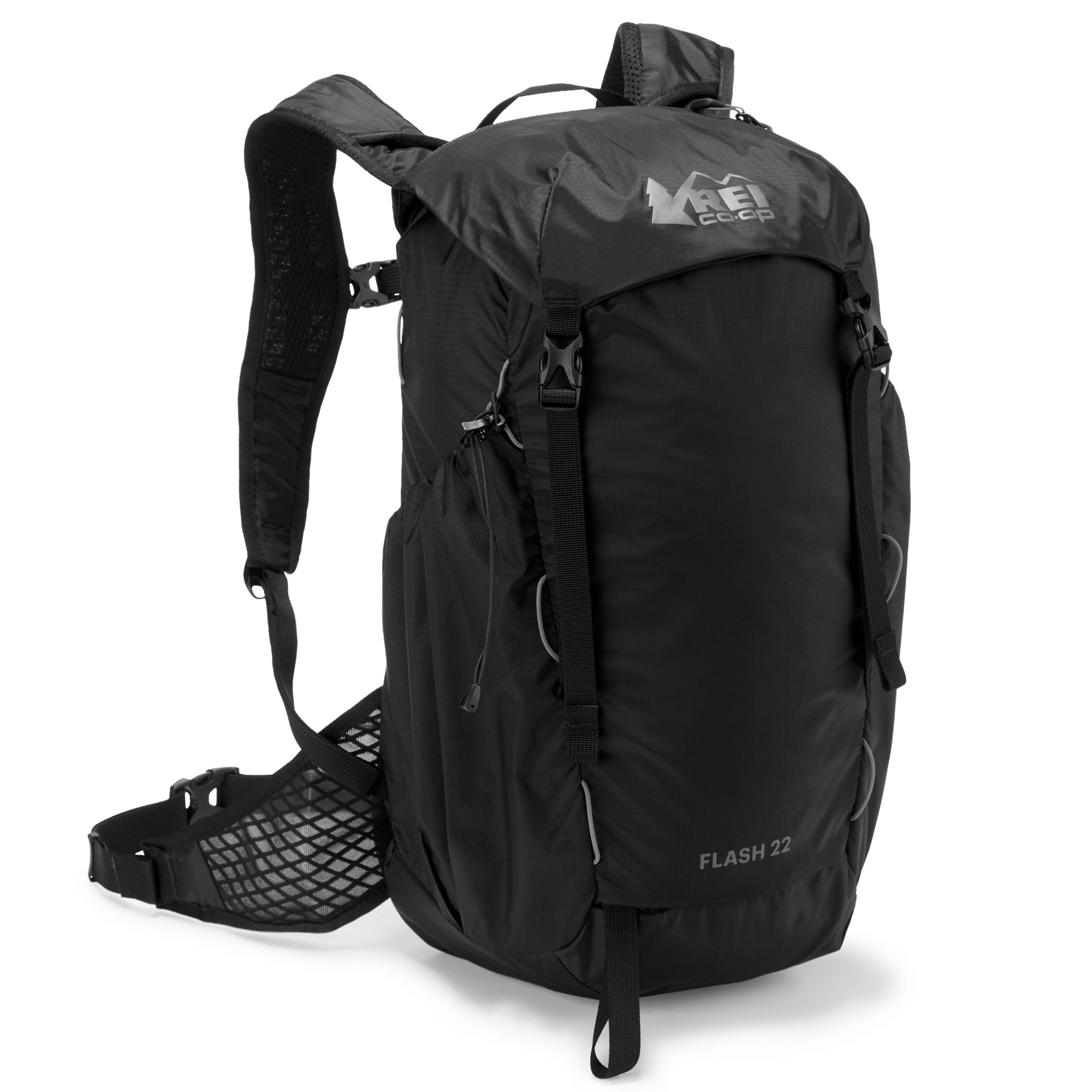 | REI Co-op Flash 22 Rucksack A simple, versatile, and economical rucksack with a top pocket and slightly more capacity for both urban traveling and mountain trekking. Well-suited for use as a summit pack on short climbs. |
…
Packing Aids & Travel Organizers
We use a variety of gear organizers when traveling and staying in huts or hotels. These items make it much easier to keep organized, and they even make trips to the bathroom more convenient. When checking our backpacks on an airplane or train, we also use flight duffels to keep things streamlined. Many of our favorite packing and travel accessories are shown below.
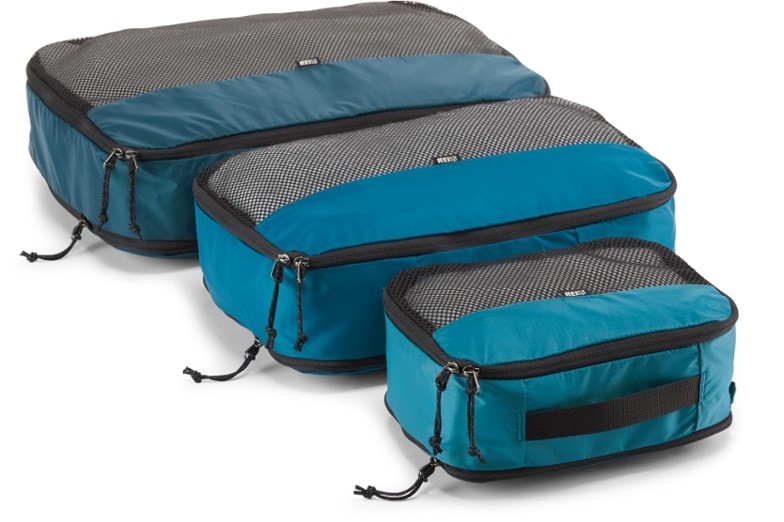 | REI Co-op Expandable Packing Cube Set Handy and versatile pouches for organizing both travel clothes and hiking clothes. These come in three sizes. |
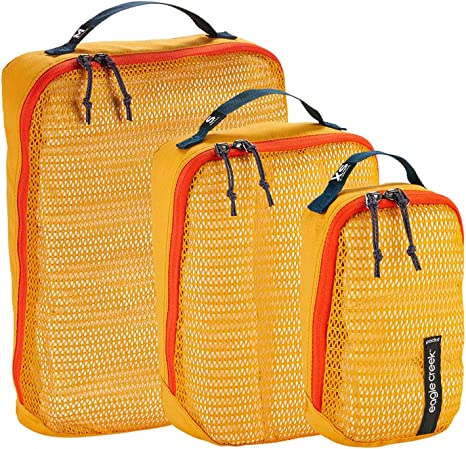 | Eagle Creek Pack-It Reveal Packing Cube Set Handy and simple pouches for organizing both travel clothes and hiking clothes. These come in three sizes. |
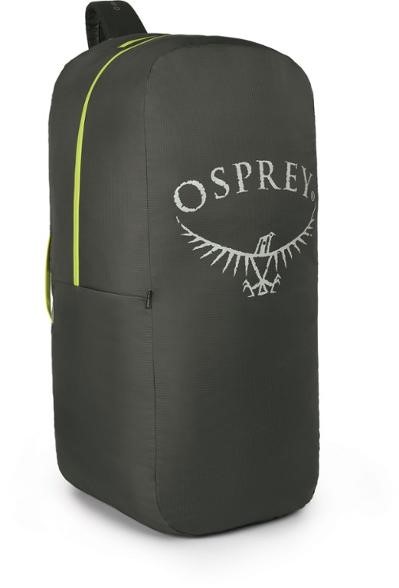 | Osprey Airporter LZ Backpack Flight Duffel Keeps all backpack straps safely sequestered and provides extra room for other gear. Available in two sizes. (See my post on Packing a Flight Duffel for Air Travel for tips on packing trail boots and trekking poles.) |
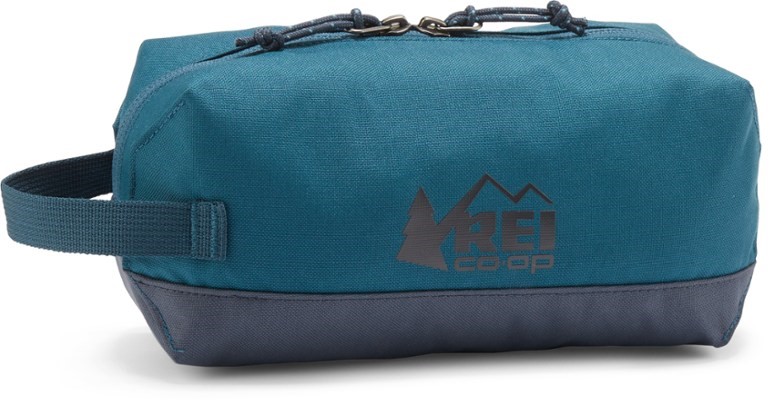 | REI Co-op Roadtripper Zippered Pod. A durable zippered pouch for keeping several days’ worth of snacks and gear easily accessible. Available in small and medium |
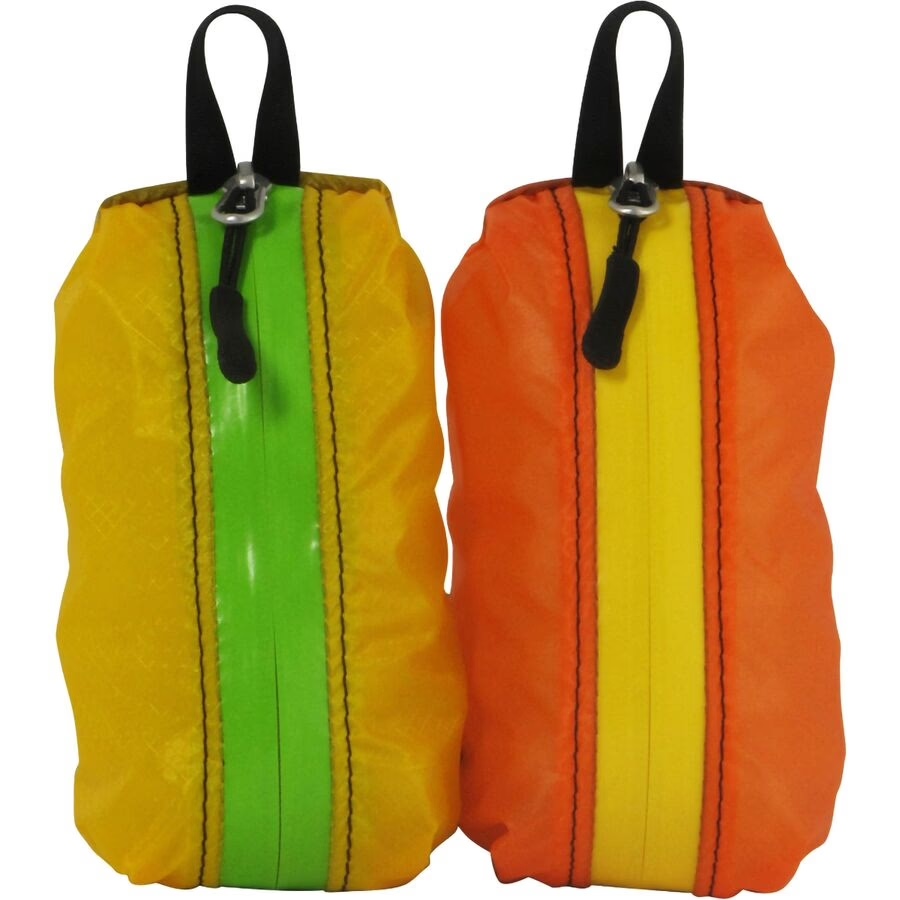 | Granite Gear Air Zipditty Zippered Pouches A pair of lightweight pouches for keeping several days’ worth of snacks, clothing, and gear easily accessible. Available in four sizes. |
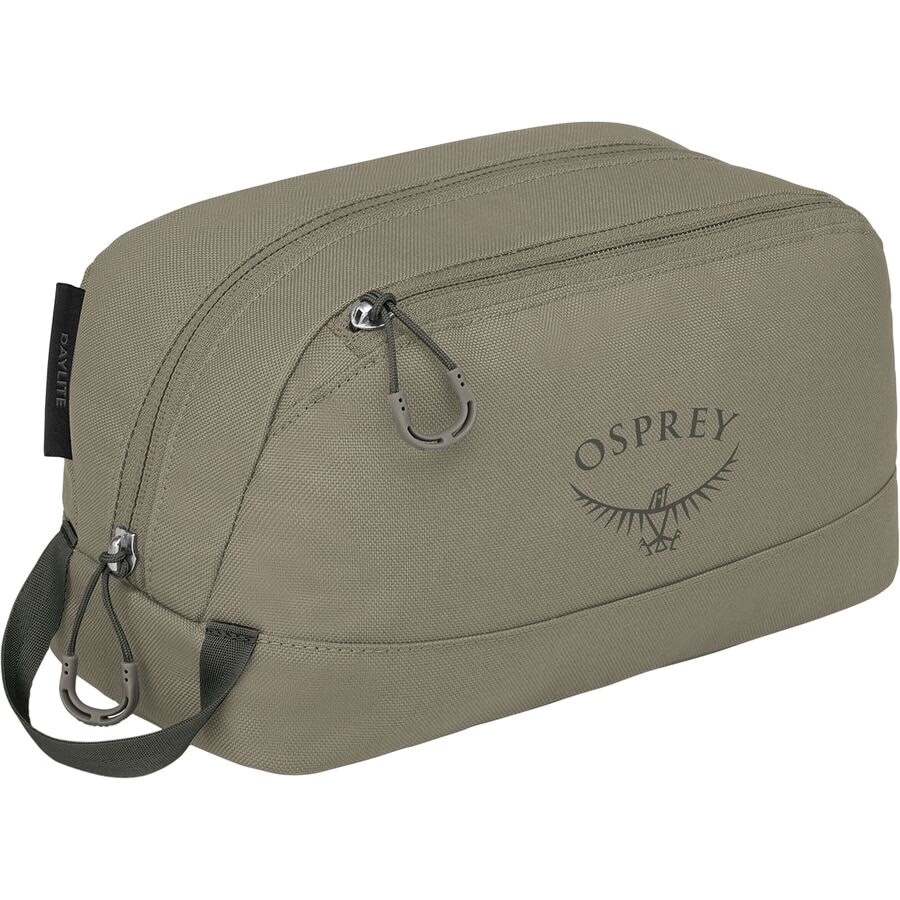 | Osprey Daylite Toiletry Kit A very nicely made countertop-style toiletry/hygiene pouch at a bargain price. |
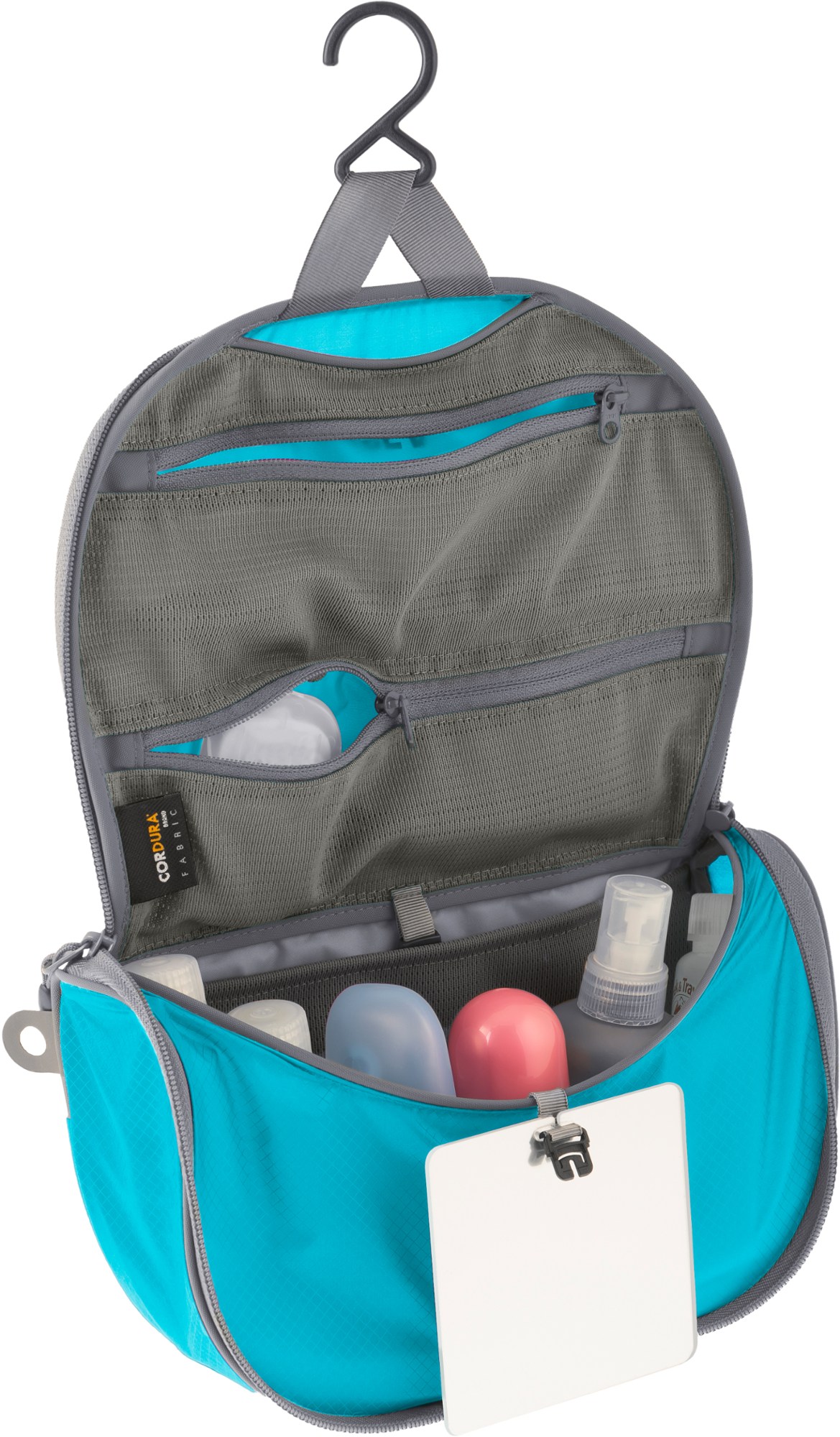 | Sea to Summit Hanging Toiletry Bag A deluxe zippered toiletry/hygiene pouch with a hanging hook, mirror, and numerous organizational pockets. Available in two sizes. |
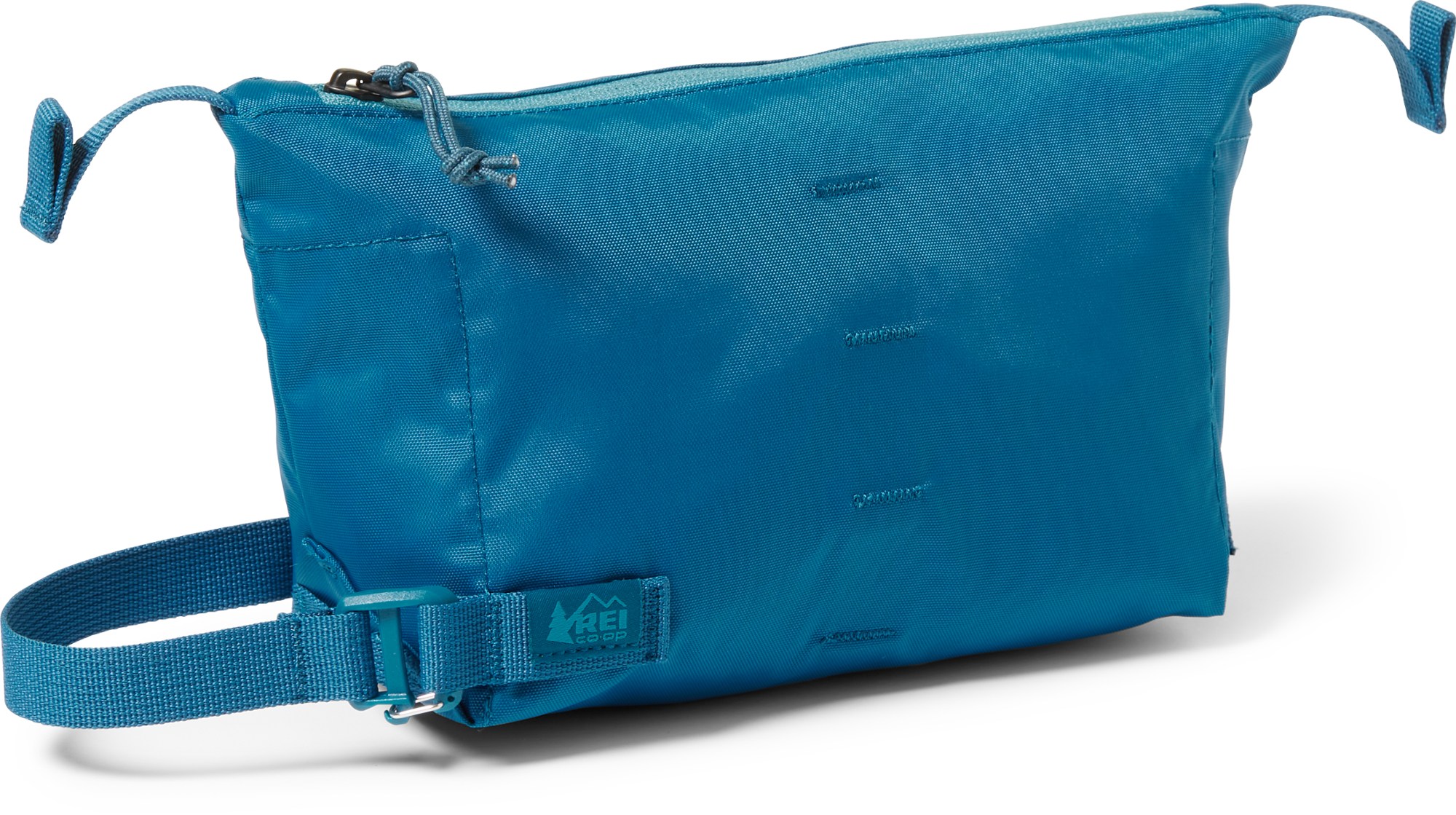 | REI Co-op Large Travel Kit A simple and economical zippered toiletry/hygiene pouch with a hanging strap. |
<<< ————– >>>
Basic Trekking Gear
The table below shows the basic trekking gear that we believe to be most useful. Most of these are personal items, but a few could be treated as group gear. For instance, our group of three trekkers had two satellite texters, which helped us keep track of everyone throughout a day when separated for any reason.
It should be mentioned that we all purchased eSIM cards, so everyone had google maps, texting ability, and internet access, which became particularly helpful on our last day of the traverse. We purchase eSim cards from Airalo as shown in the Foreign Travel Essentials table farther below; this was a much more economical option than using our cell phone carrier’s international plans.
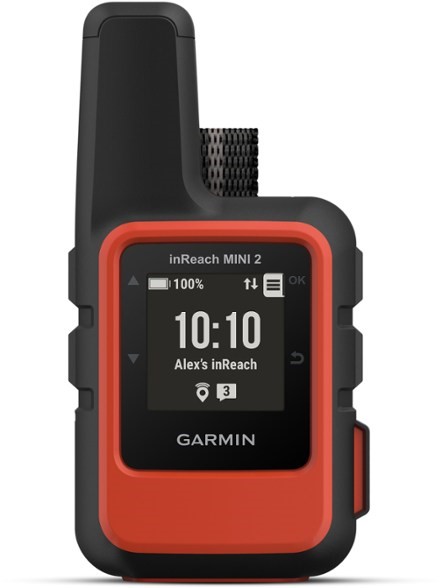 | Garmin InReach Mini 2 Cell phones do not work everywhere but satellite texters do. This unit is great for communicating with your group enroute or maintaining contact with people back home. |
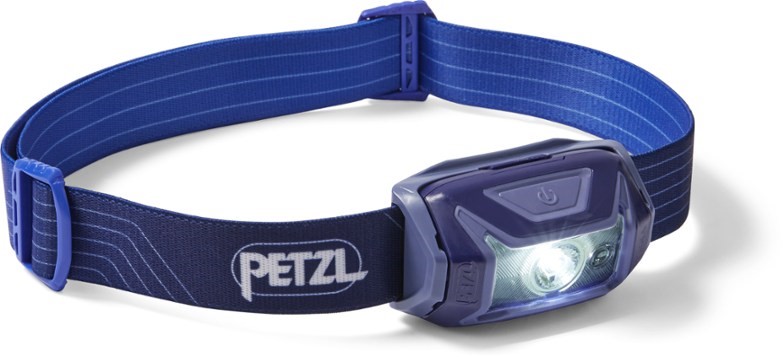 | Petzl Tikka Headlamp Something simple for emergencies on the trail and for use in the huts at night. |
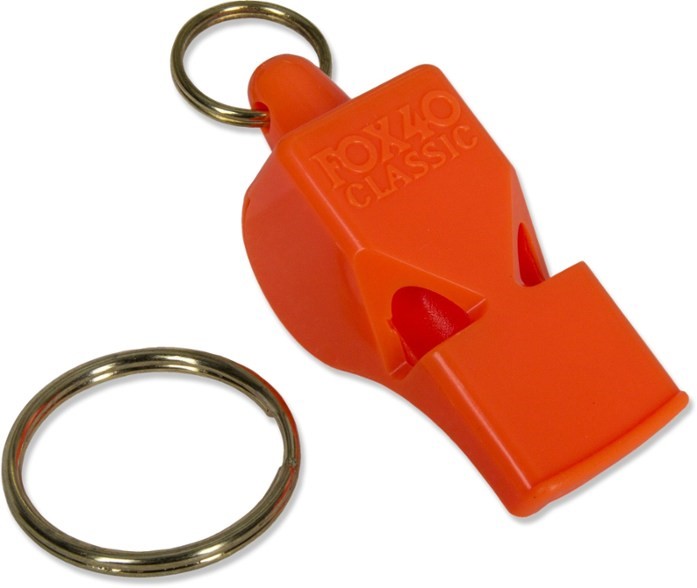 | Fox 40 Classic Safety Whistle The loud signal is useful not only for emergency use but also for getting the attention of a partner on the trail. |
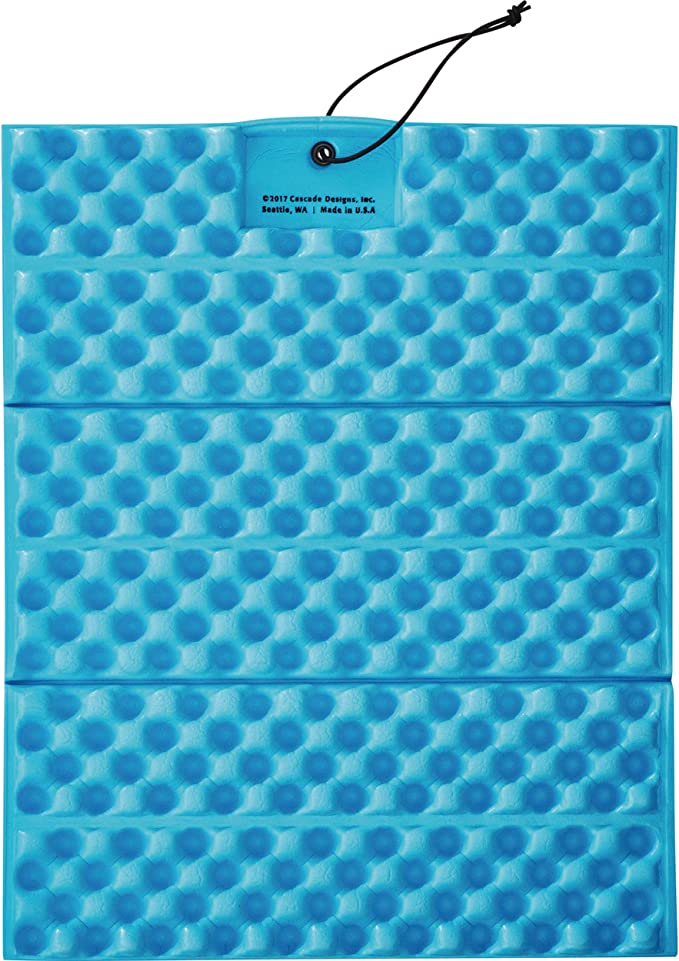 | Therm-a-Rest Z-Seat Cushioned Sitting Pad Provides a comfortable and clean place to sit during lunch on the trail. |
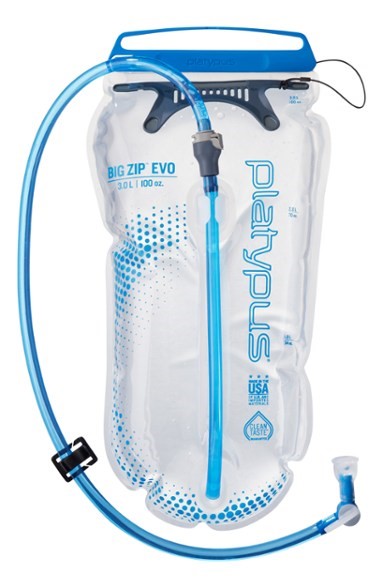 | Platypus Big Zip EVO 3L Reservoir We started every day with 3 liters of water, and these have become our favorite type of bladder. The large slider opening makes them easy to fill and easy to clean. |
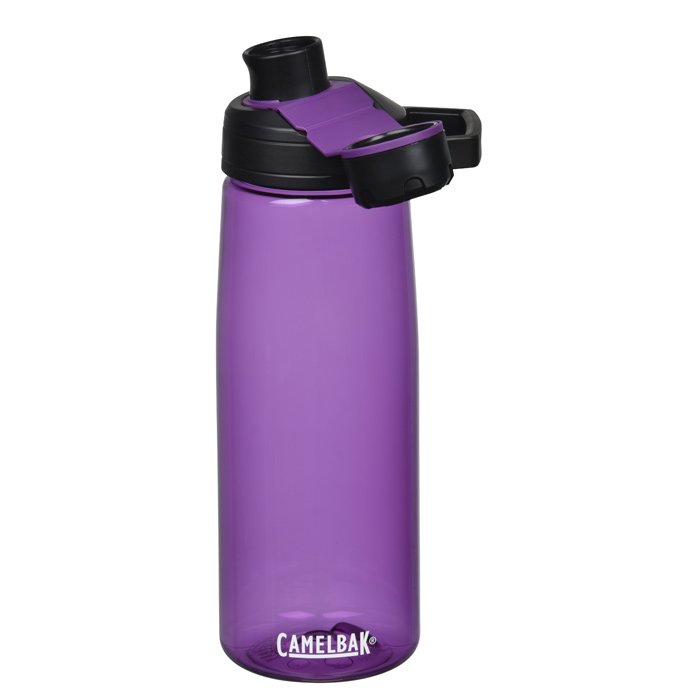
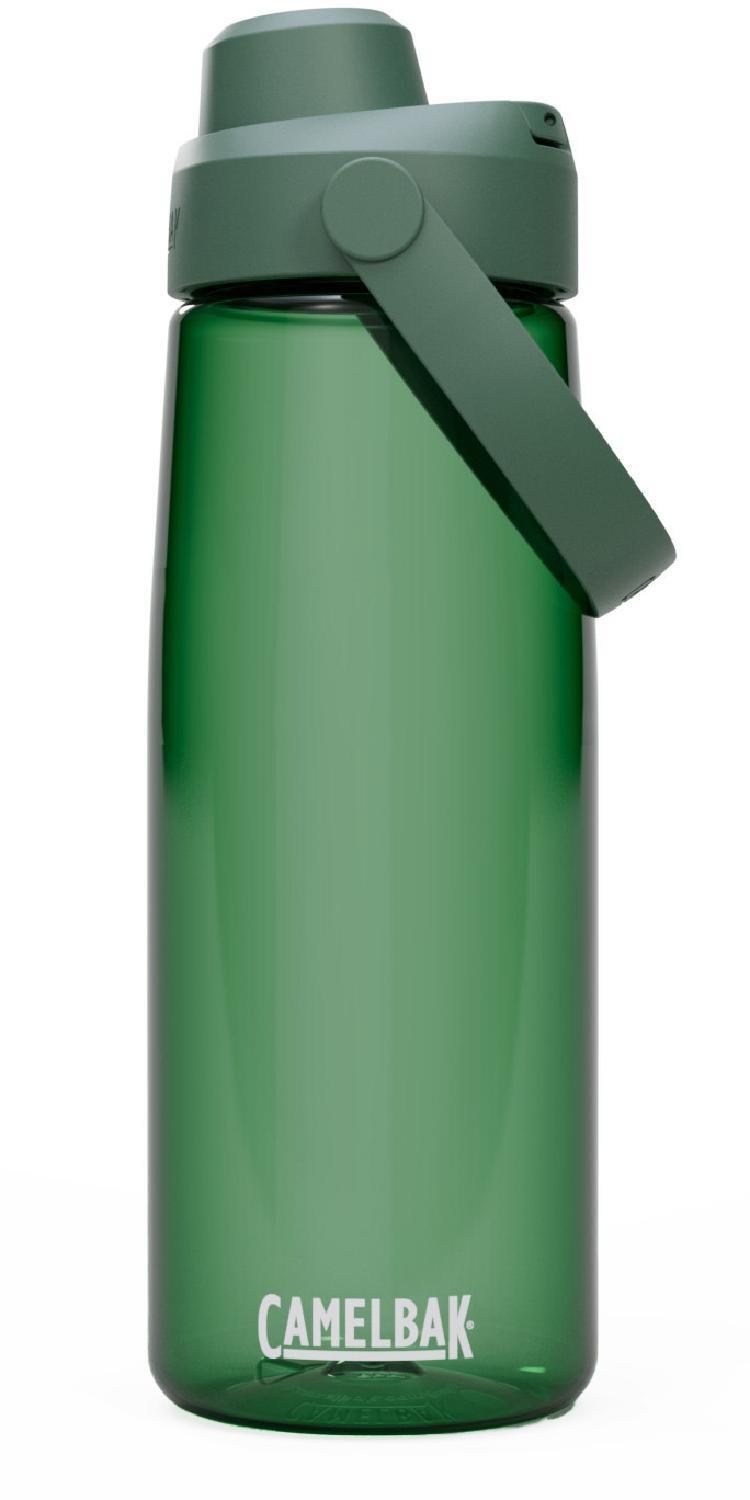 | CamelBak Thrive Chug Water Bottle – 25 fl. oz. It’s nice to have a bottle for extra water on the trail and in the huts. We like this style, which has a small spout for drinking and a wide mouth for filling and cleaning. |
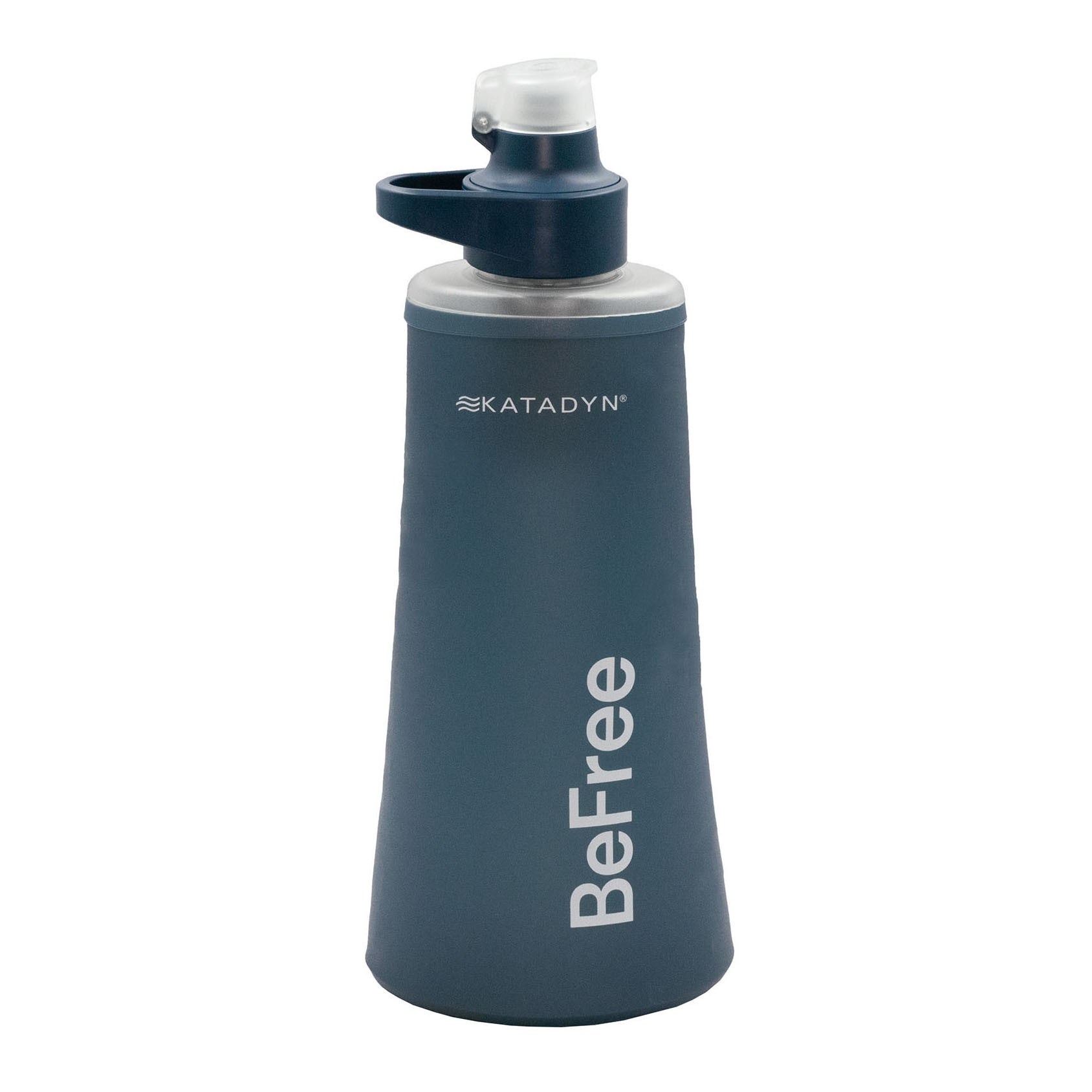 | Katadyn BeFree AC 1.0 L Water Filter Bottle A filter is useful for emergency use on the trail. This unit weighs only 2.3 oz. |
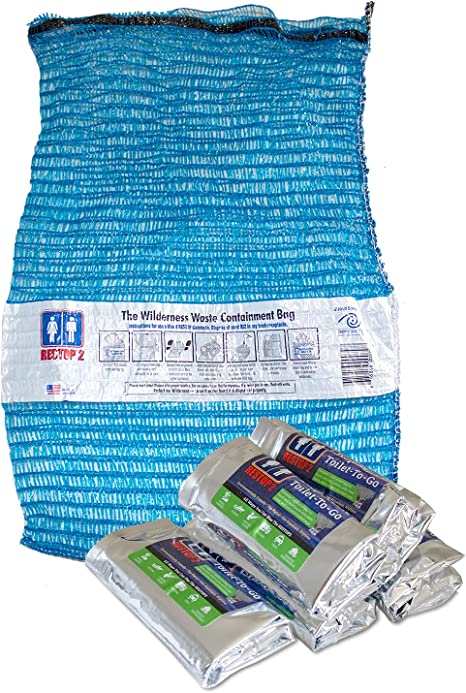 | Restop Leak-Proof Waste Bag All huts have toilet paper and indoor toilets, but these are nice to have for intestinal emergencies on the trail. |
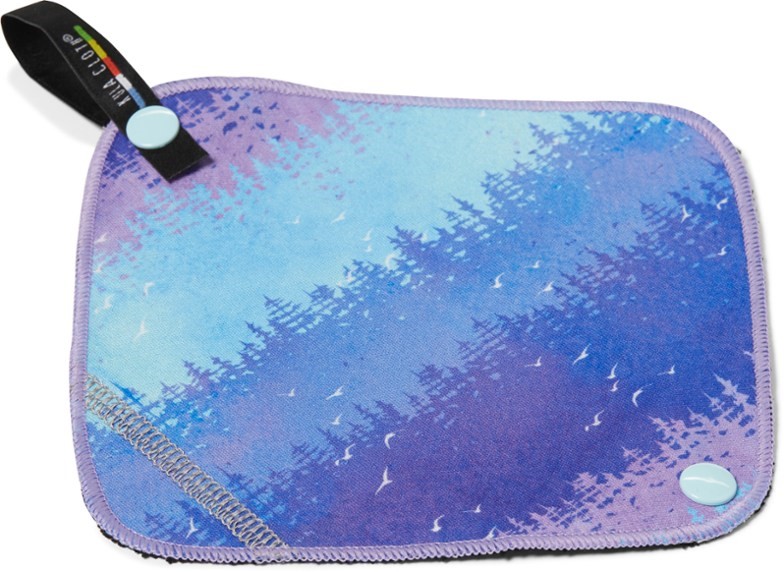 | Kula Cloth Reusable Antimicrobial Pee Cloth For women only. A stylish and hygienic way to deal with “pee stops” on the trail. |
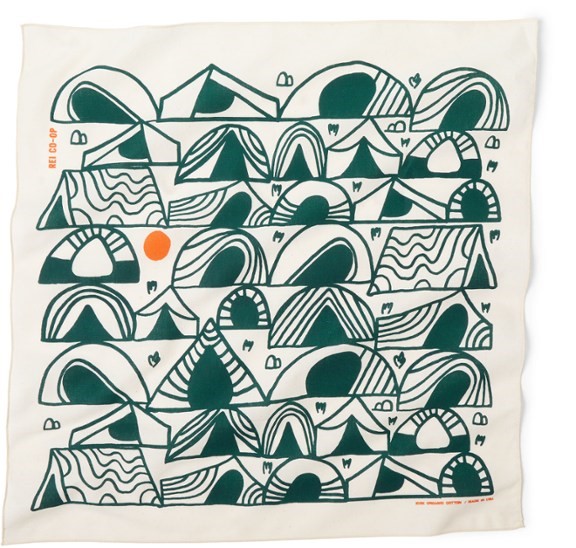 | Cloth Bandana My wife insists on having at least one or two with her at all times. They come in myriad patterns and have many uses. |
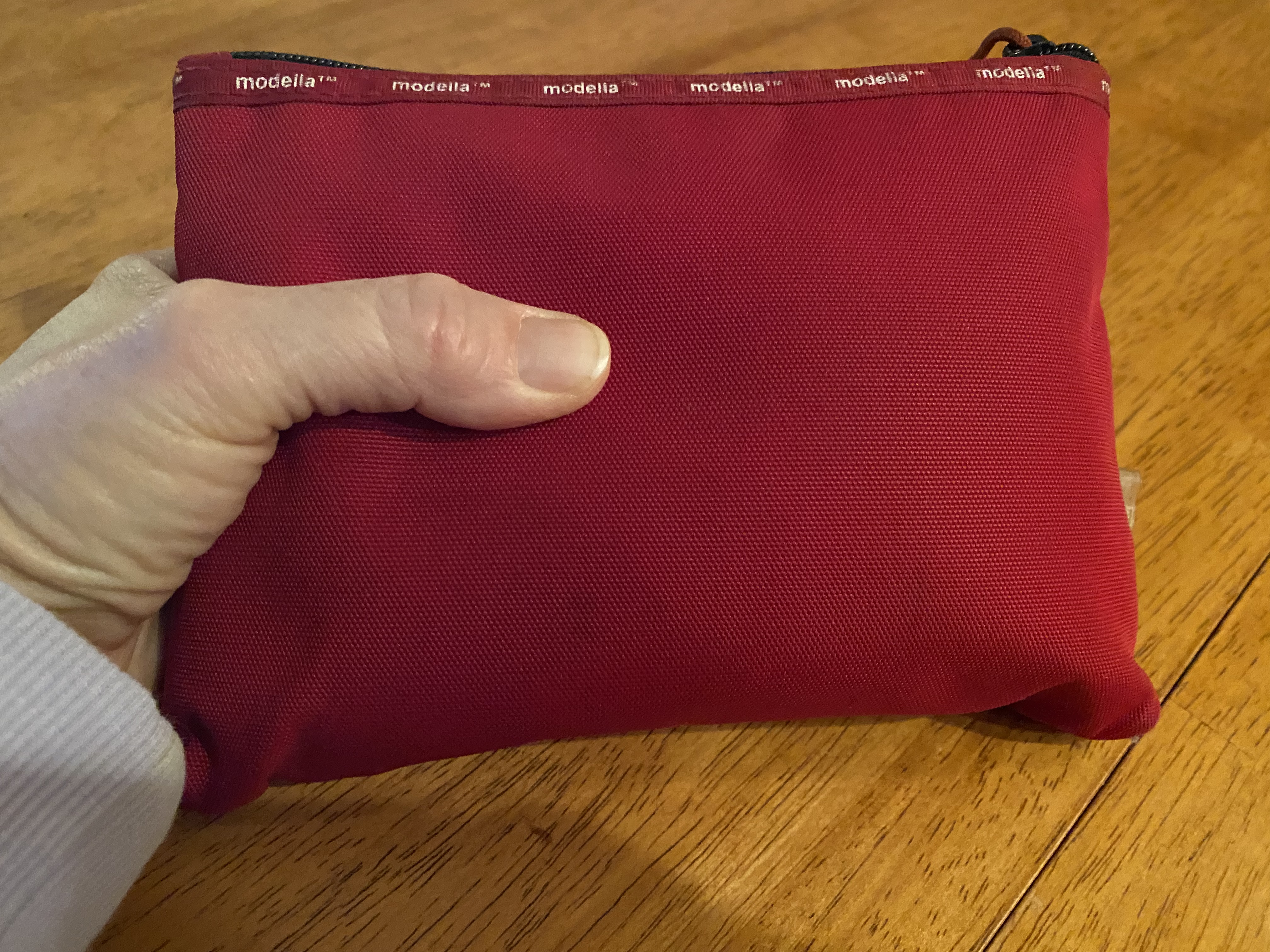 | Trouble Kit We took our standard backcountry “trouble kit” containing a variety of first-aid supplies, medications, and gear repair items. |
<<< ————– >>>
Mountaineering Footwear & Transit Gear
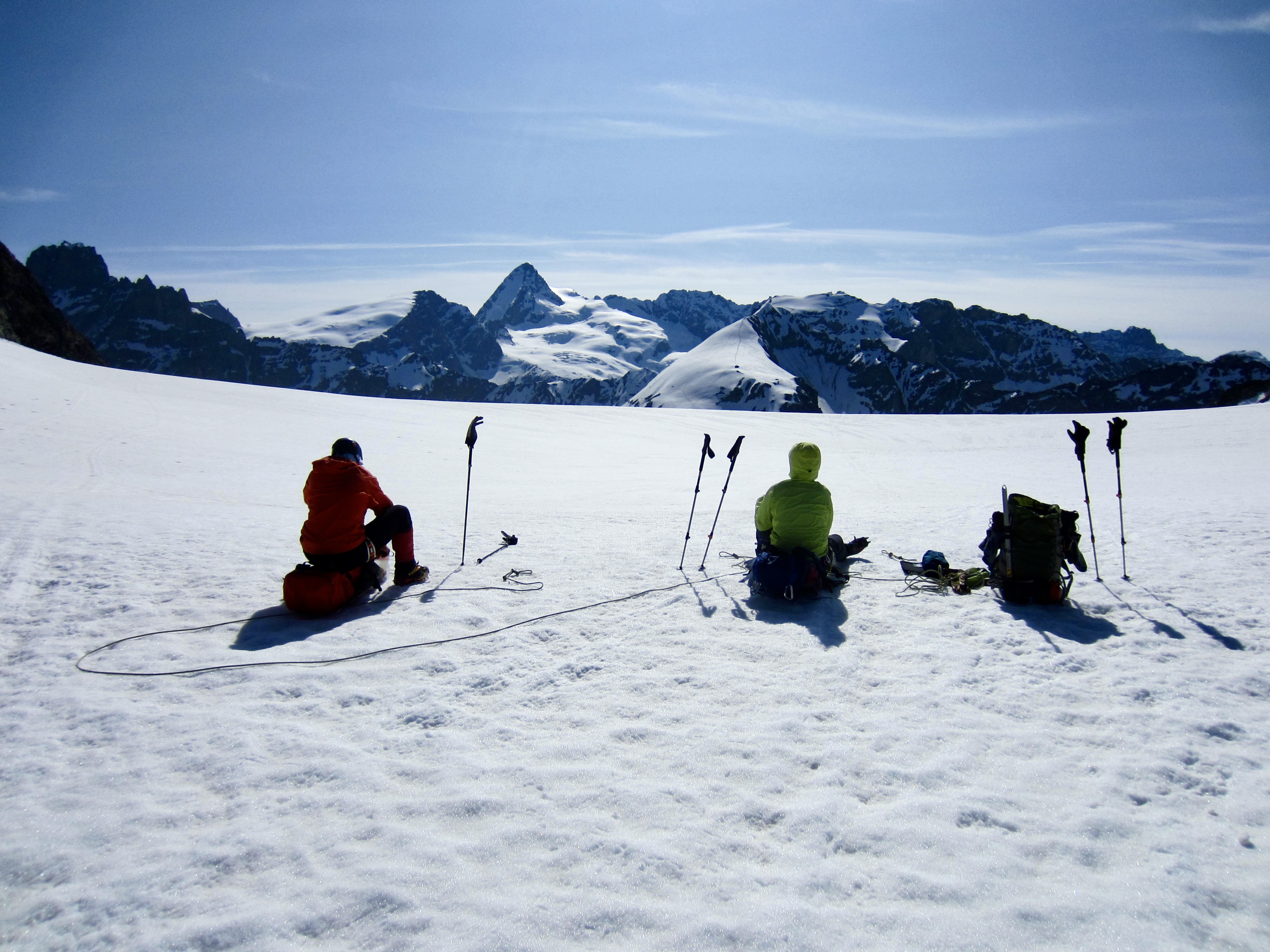
The choice of footwear is very much a matter of personal taste and foot anatomy. My wife prefers a wide toebox, whereas I prefer a narrower toebox. Despite our boot differences, we all used trekking poles to ease the discomfort of scree fields and long descents.
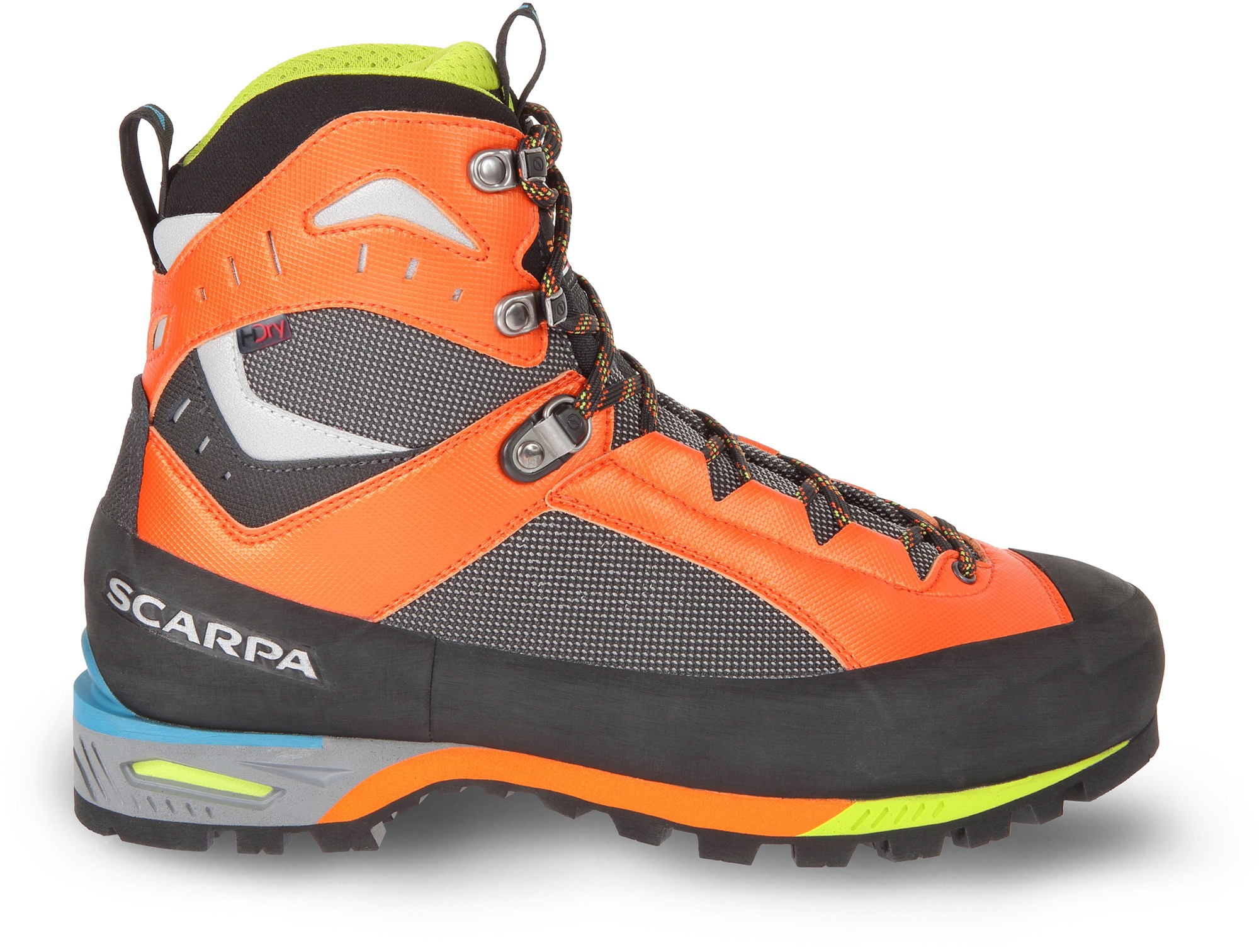 | Scarpa Charmoz Mountaineering Boots A good balance between weight, stiffness, support, snugness, and comfort. |
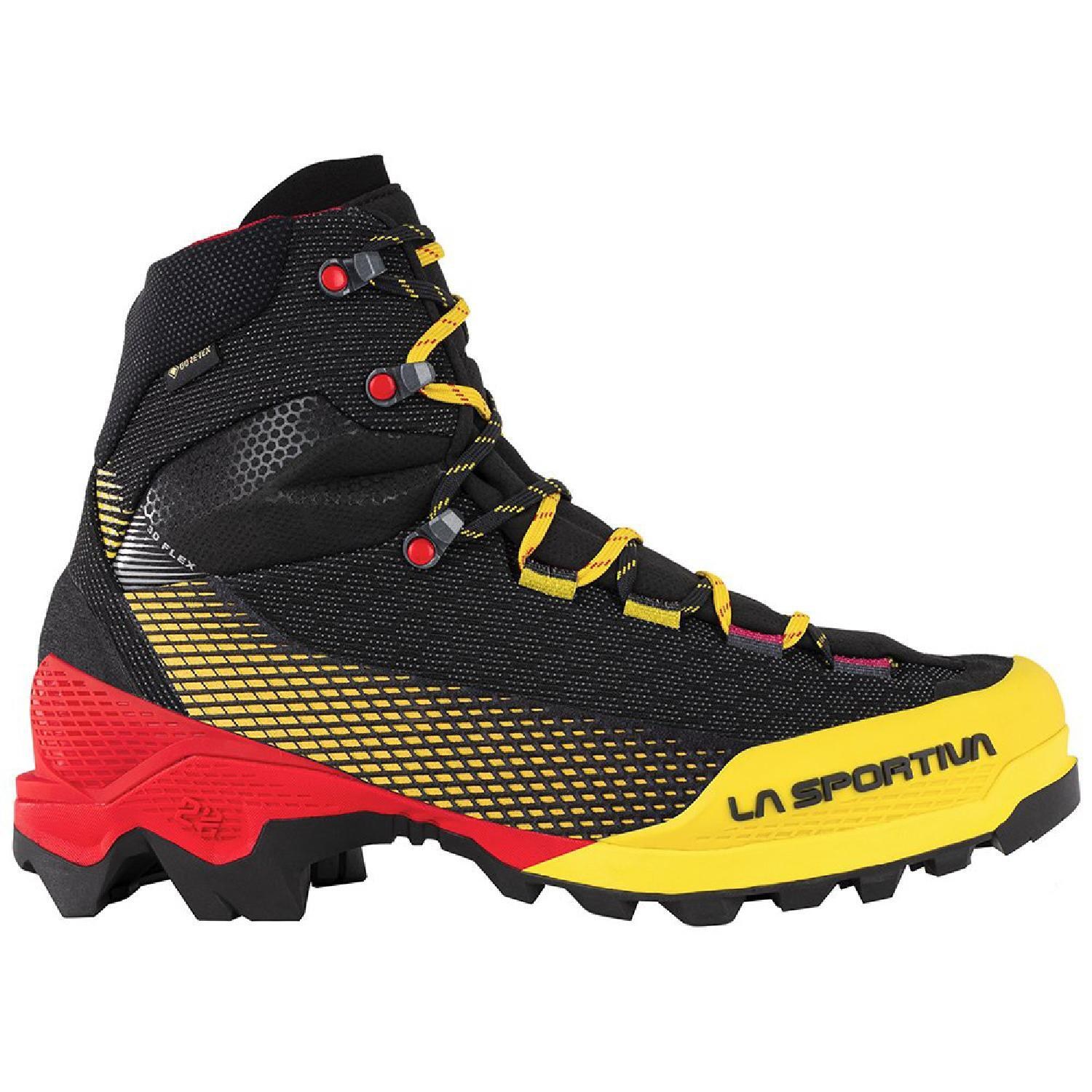 | La Sportiva Aequilibrium Mountaineering Boots Slightly lighter and more flexible than Charmoz boots. |
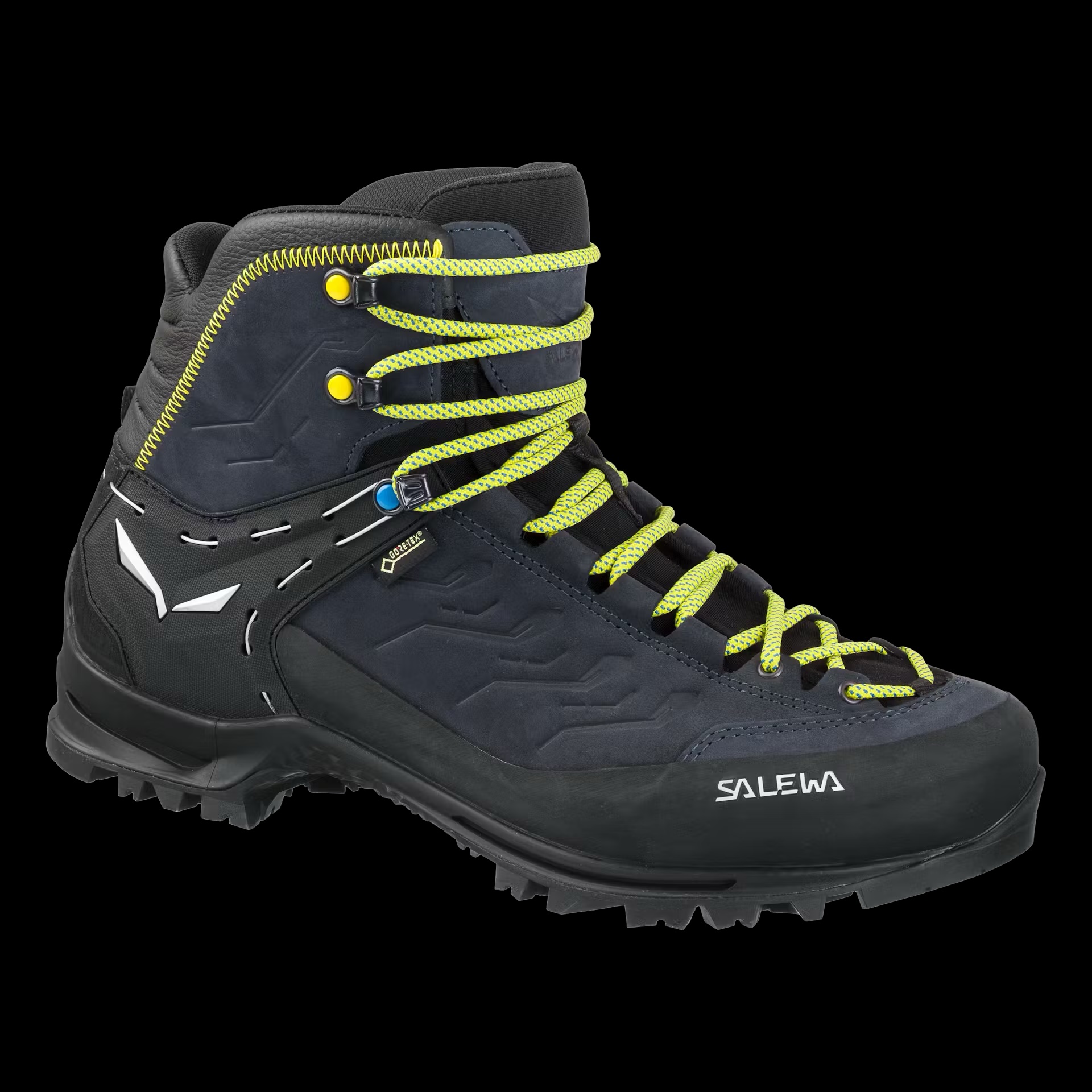 | Salewa Rapace Mountaineering Boots Similar to Charmoz boots but with a slightly larger toebox. |
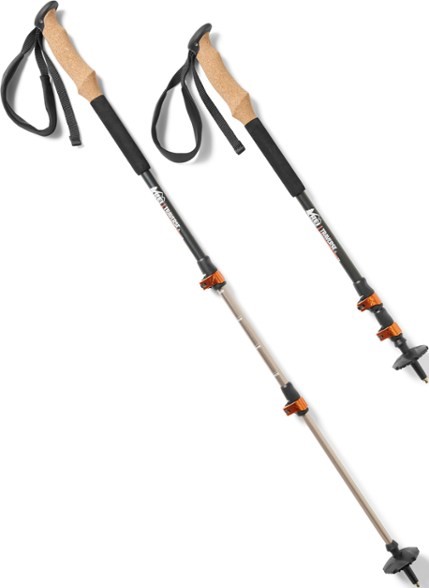 | REI Co-op Traverse Aluminum Trekking Poles Economical but well-made three-section poles with durable aluminum shafts and comfortable cork handles. |
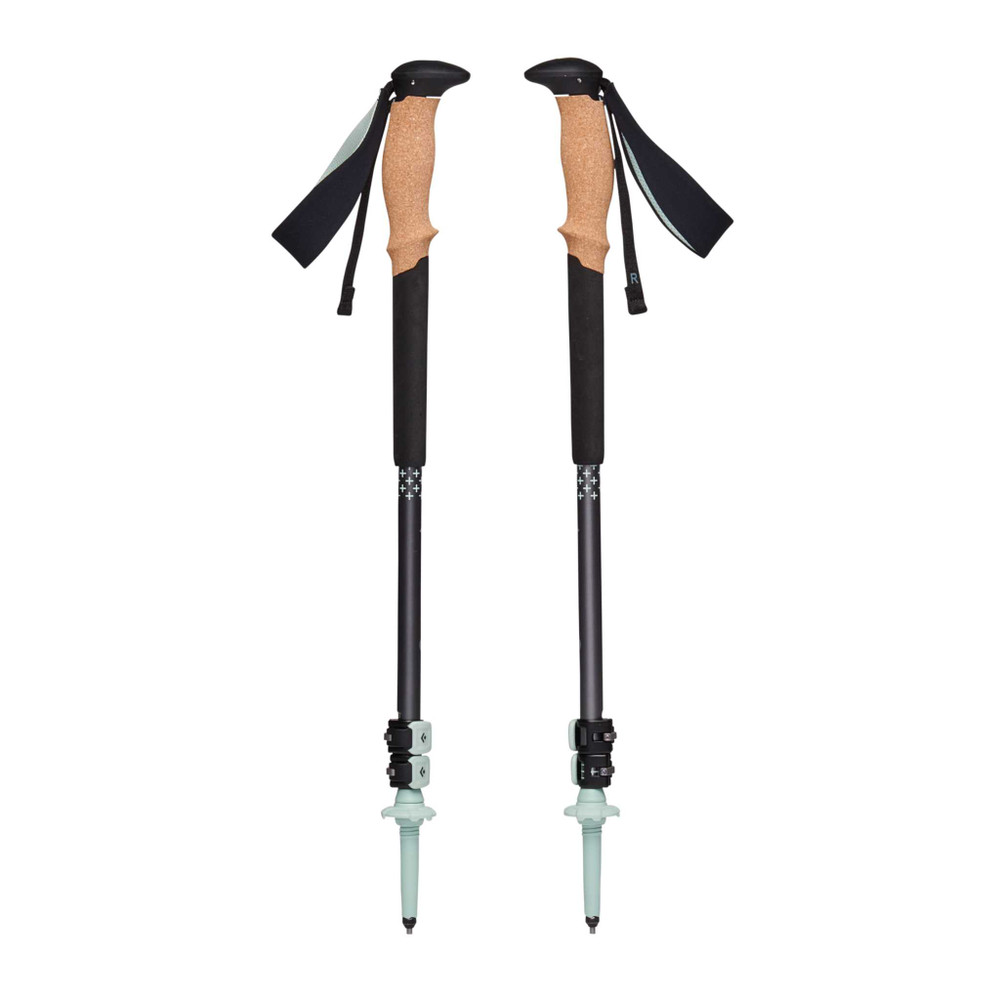 | Black Diamond Pursuit Aluminum Trekking Poles Quality three-section poles with with durable aluminum shafts, comfortable cork handles, and excellent FlickLock+ clamping mechanisms. |
<<< ————– >>>
Technical Mountaineering Gear
Our technical gear for the Haute Route consisted of an ice axe, crampons, helmet, harness, and glacier rope. This section describes some of the gear that we either used during our traverse or would recommend to others.
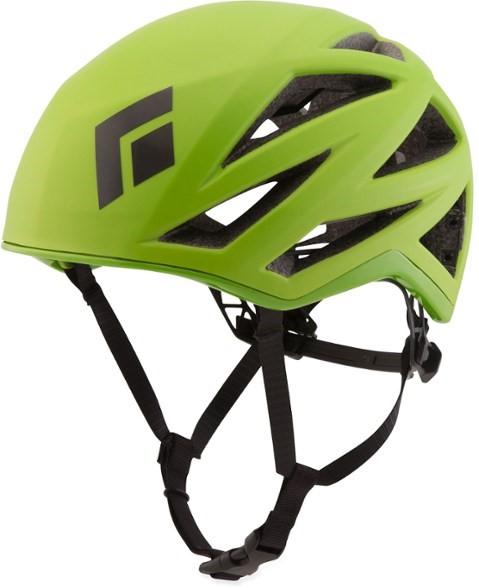 | Black Diamond Vapor Helmet Exceptionally lightweight, well-ventilated, and comfortable alpine helmet. |
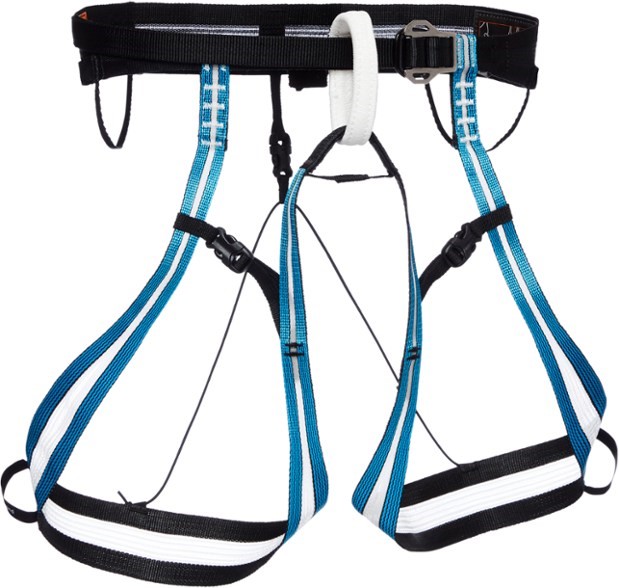 | Black Diamond Couloir Harness Very lightweight but supportive diaper-style alpine harness that is very easy to put on, even when wearing crampons. |
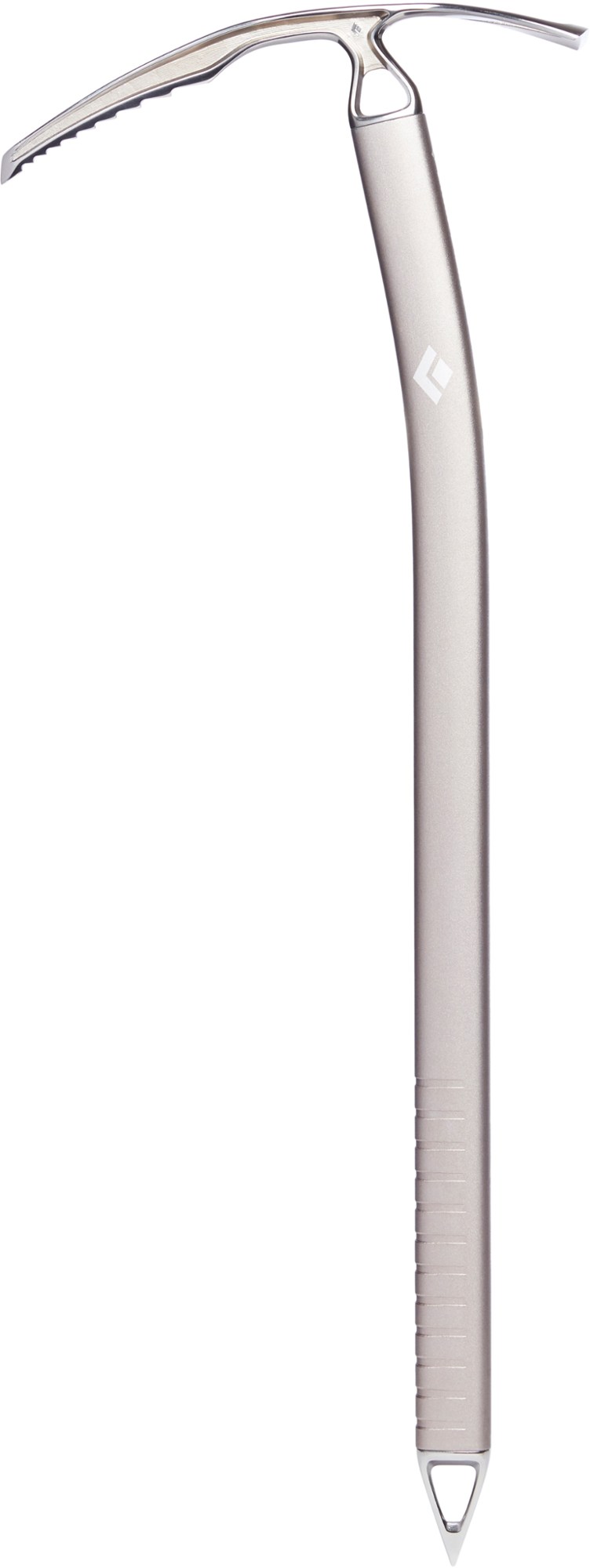 | Black Diamond Raven Pro Ice Axe Elegantly designed, fairly lightweight, and very durable axe for a wide range of mountaineering uses. |
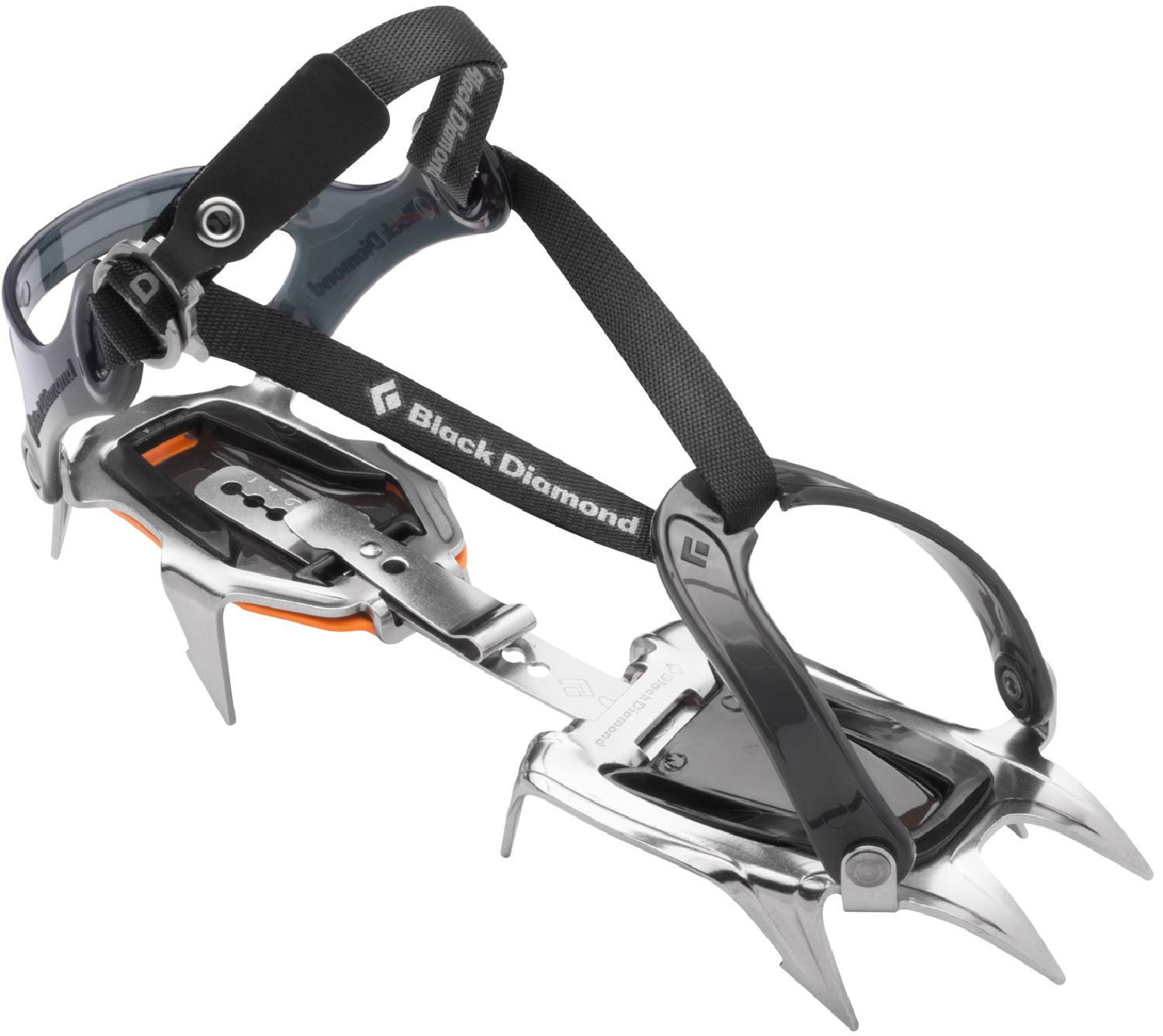 | Black Diamond Contact Crampons All-purpose mountaineering crampons with a harness system that fits nearly any style of boot. Stainless-steel frame provides excellent durability at a lower weight than carbon-steel. |
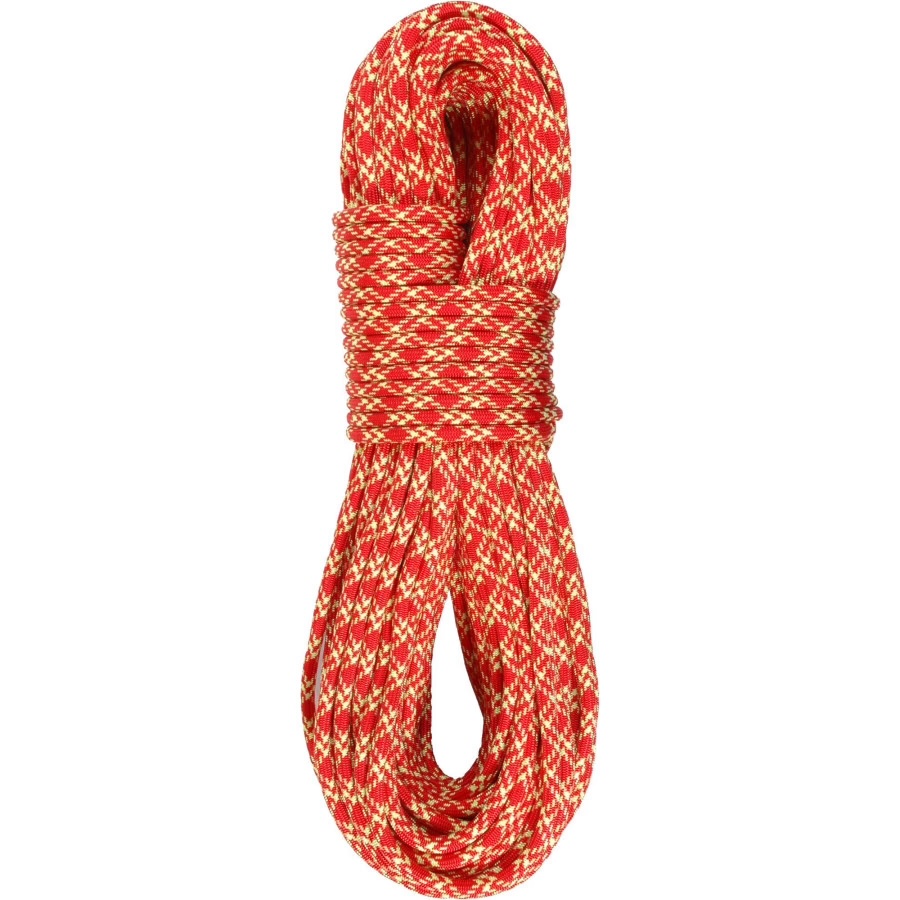 | BlueWater Ice Floss Glacier Rope A lightweight 37-meter x 7.7-mm dry-treated rope, ideal for glacier travel. |
<<< ————– >>>
Mountaineering & Trekking Clothes
Trekking the Haute Route necessitates a combination of base-layer, mid-layer, and outer-layer mountain clothing to handle a wide range of weather conditions. This section presents many of the clothes that my wife and I used during our trek. Note: Some of the clothing we used has been discontinued. In those cases, we either recommend an equivalent item or group of items.
Base-Layer Clothing
Base-layer clothing must provide next-to-skin comfort for multiple days on the trail. The key feature is that all items should be synthetic or wool, not cotton. Most items require some duplication depending on how long you can tolerate the accumulating odor. We were on the Haute Route for seven days with no opportunity to do laundry, so we took two or three pieces of each item. This meant that we never had to wear the same item more than three times before washing.
Men’s Base Layers
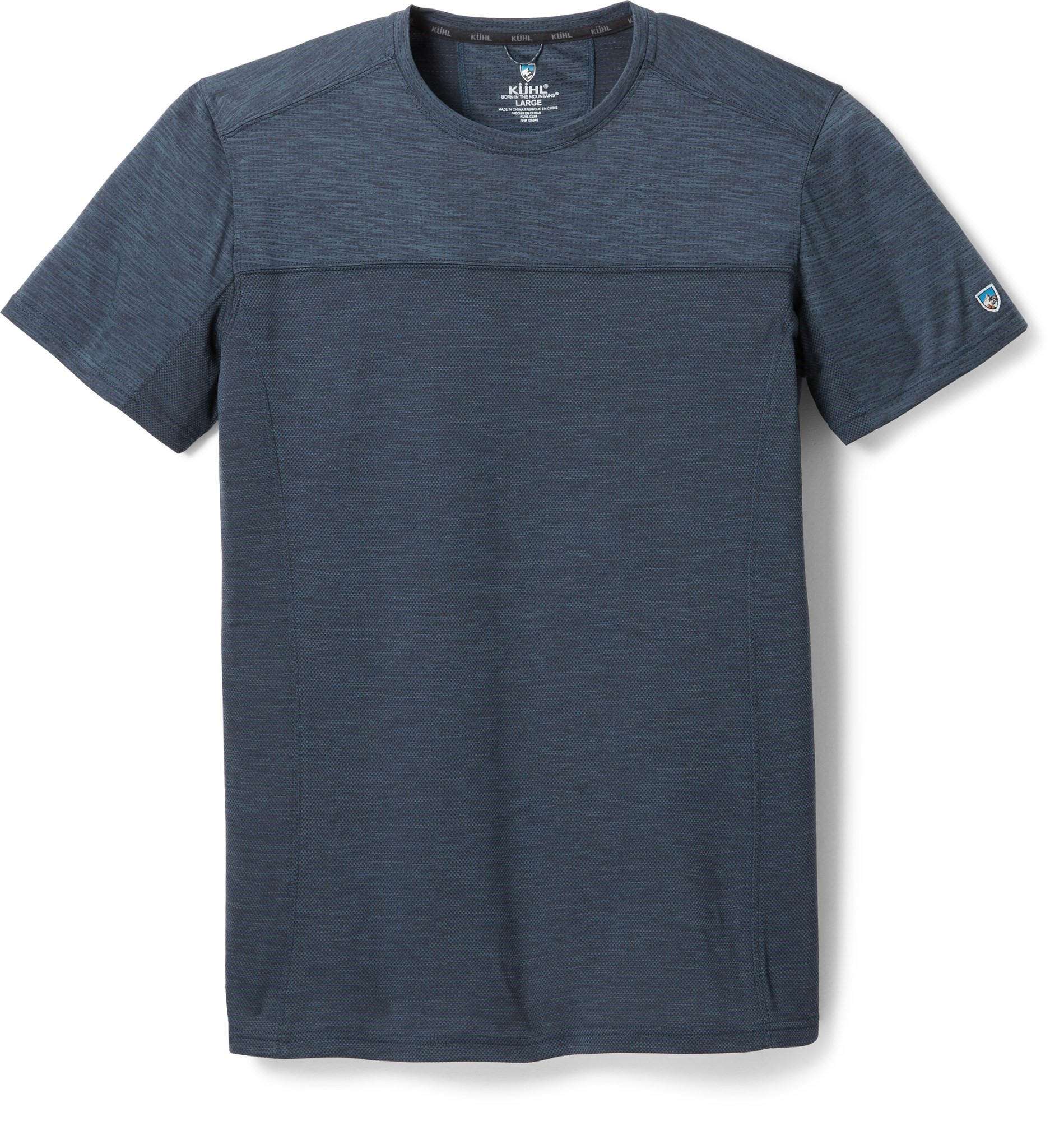 | Short-Sleeve Hiking Shirt / Base Layer (x3) I like a simple, colorful, trim-fitting crew neck undershirt. |
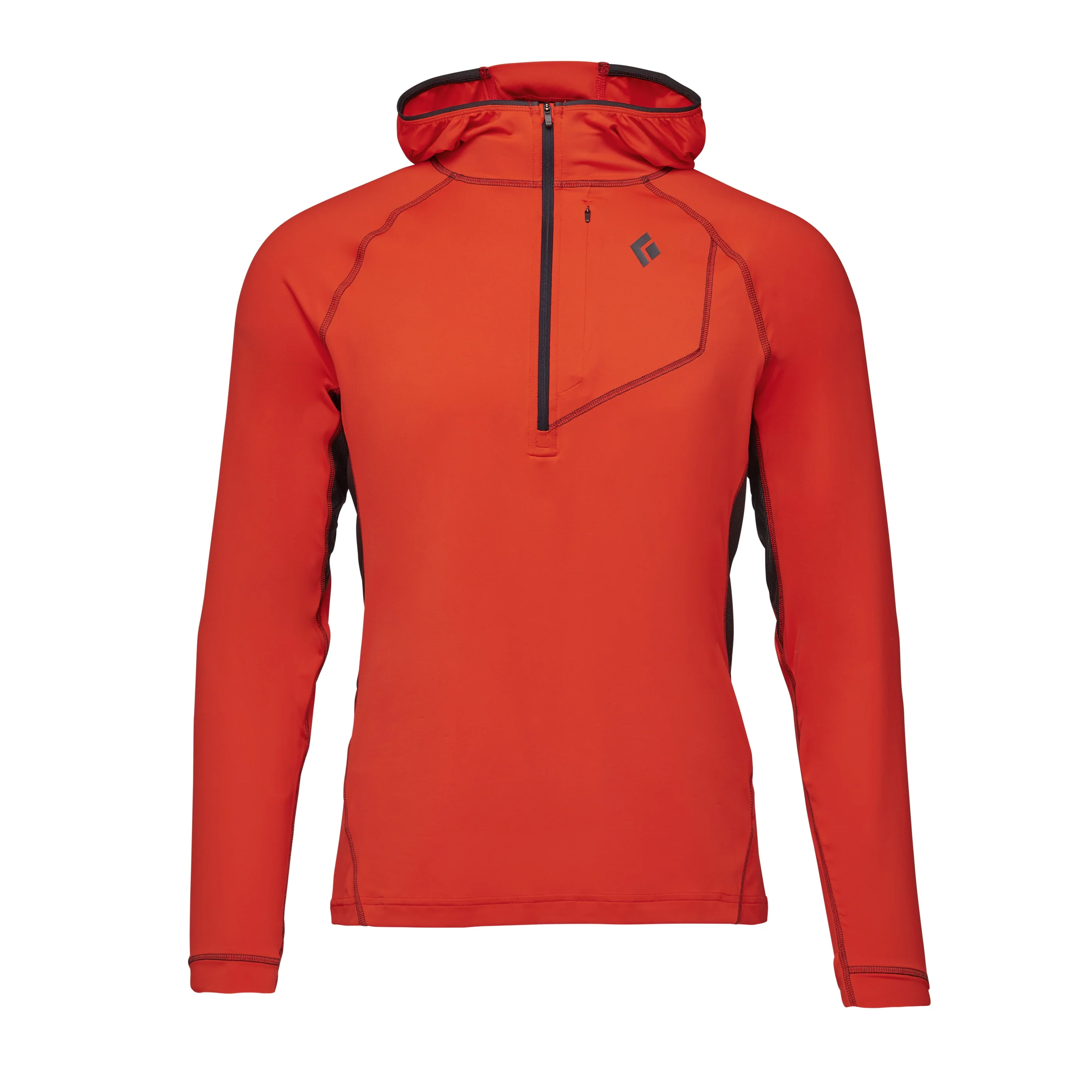 | Black Diamond Alpenglow Pro Hoody (x1) I always take a long-sleeve jersey to wear over my undershirt during cool days on the trail and sunny days on the glacier. This one has a sun hood for face protection. The undershirt reduces lingering body odors. |
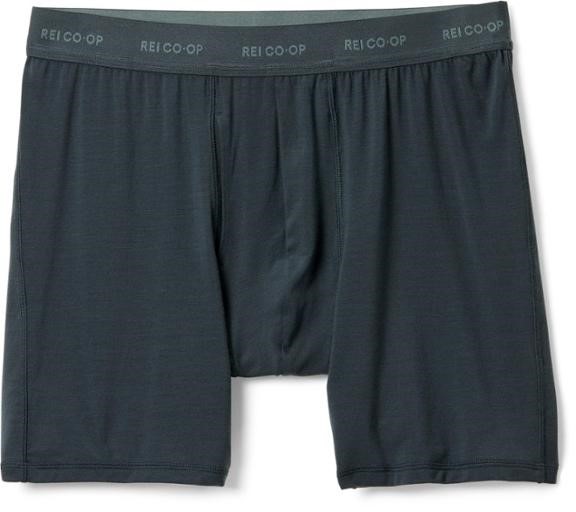 | Hiking Boxer Briefs (x3) I like a boxer-brief because it doubles as a shower short and a swimsuit. |
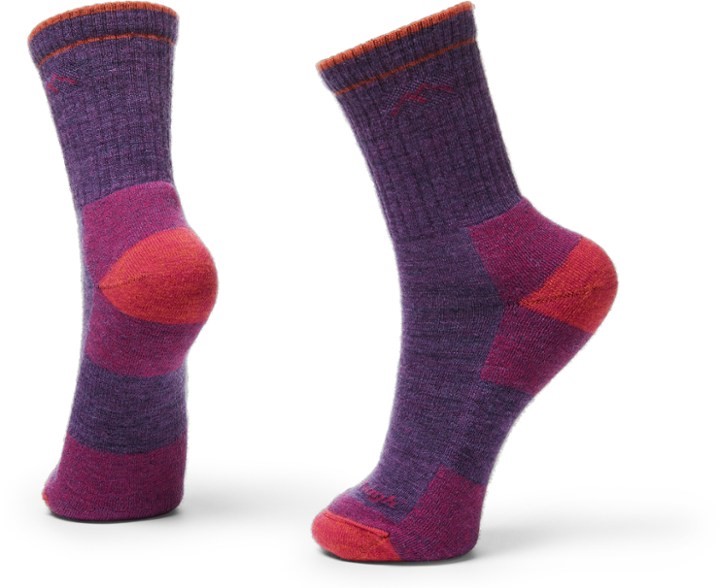 | Darn Tough Hiker Micro Crew Socks – Men’s (x3) I use mid-weight hiking socks as my liner socks for extra cushioning. |
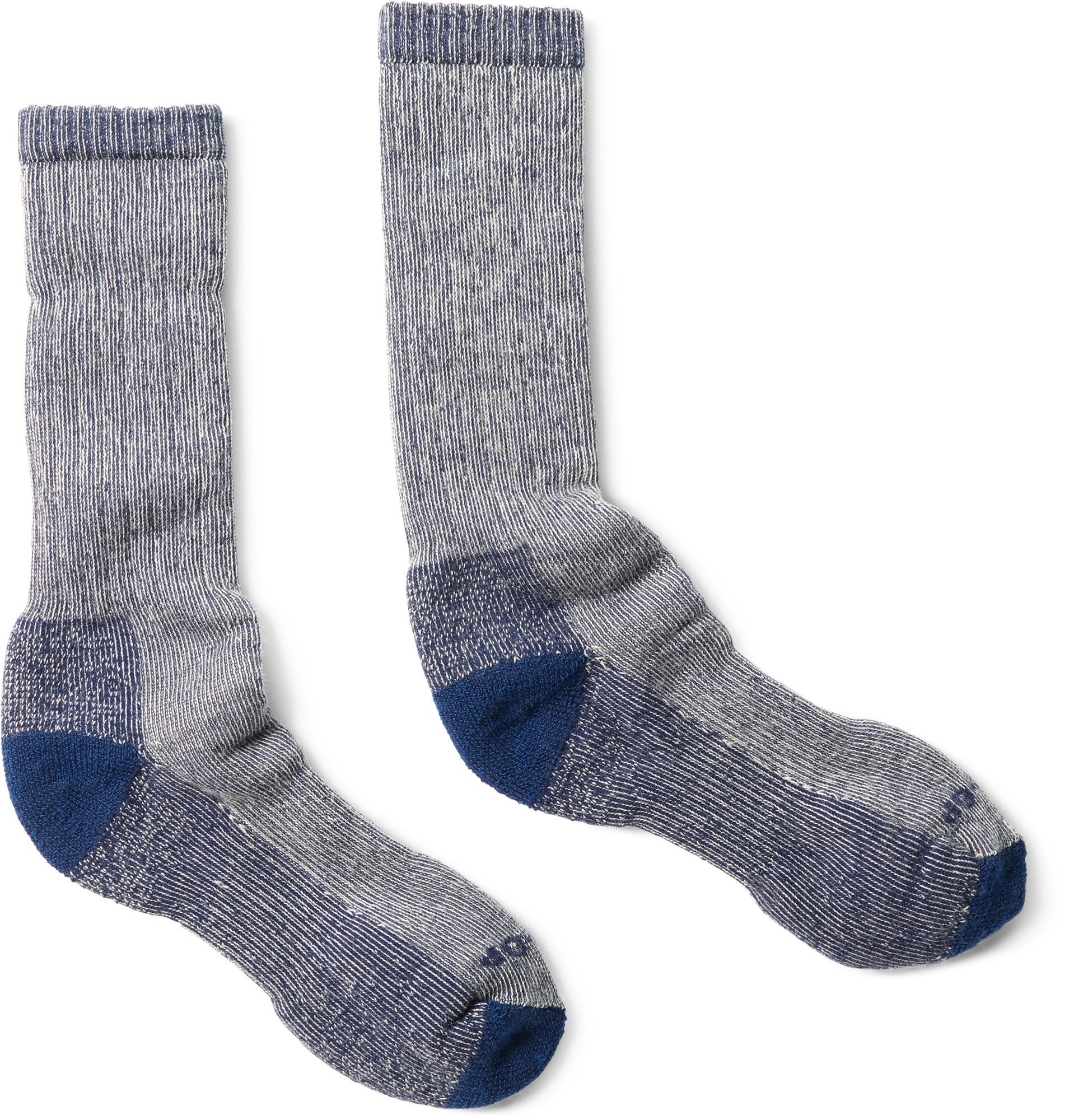 | REI Co-op Merino Wool Expedition Hiking Crew Socks (x2) I like a thick wool outer sock for maximum cushioning. These also keep dirt and mud off my liner socks. |
…
Women’s Base Layers
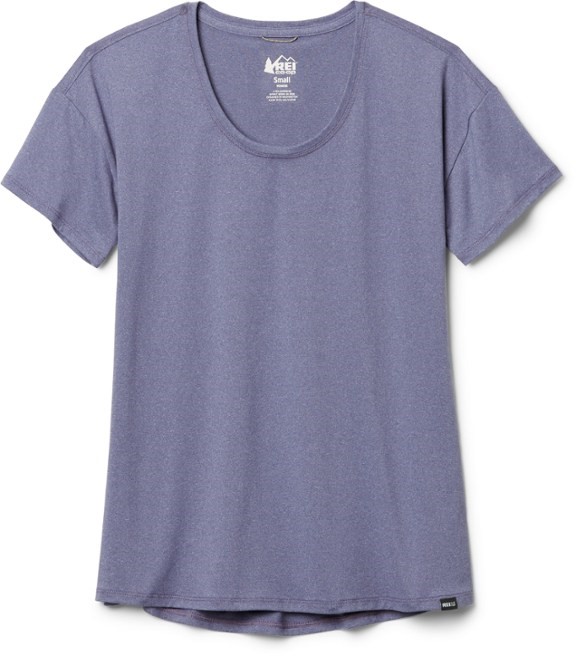 | Short Sleeve Hiking Shirt / Base Layer (x3) My wife likes a simple, colorful, trim-fitting crew-neck or V-neck undershirt. |
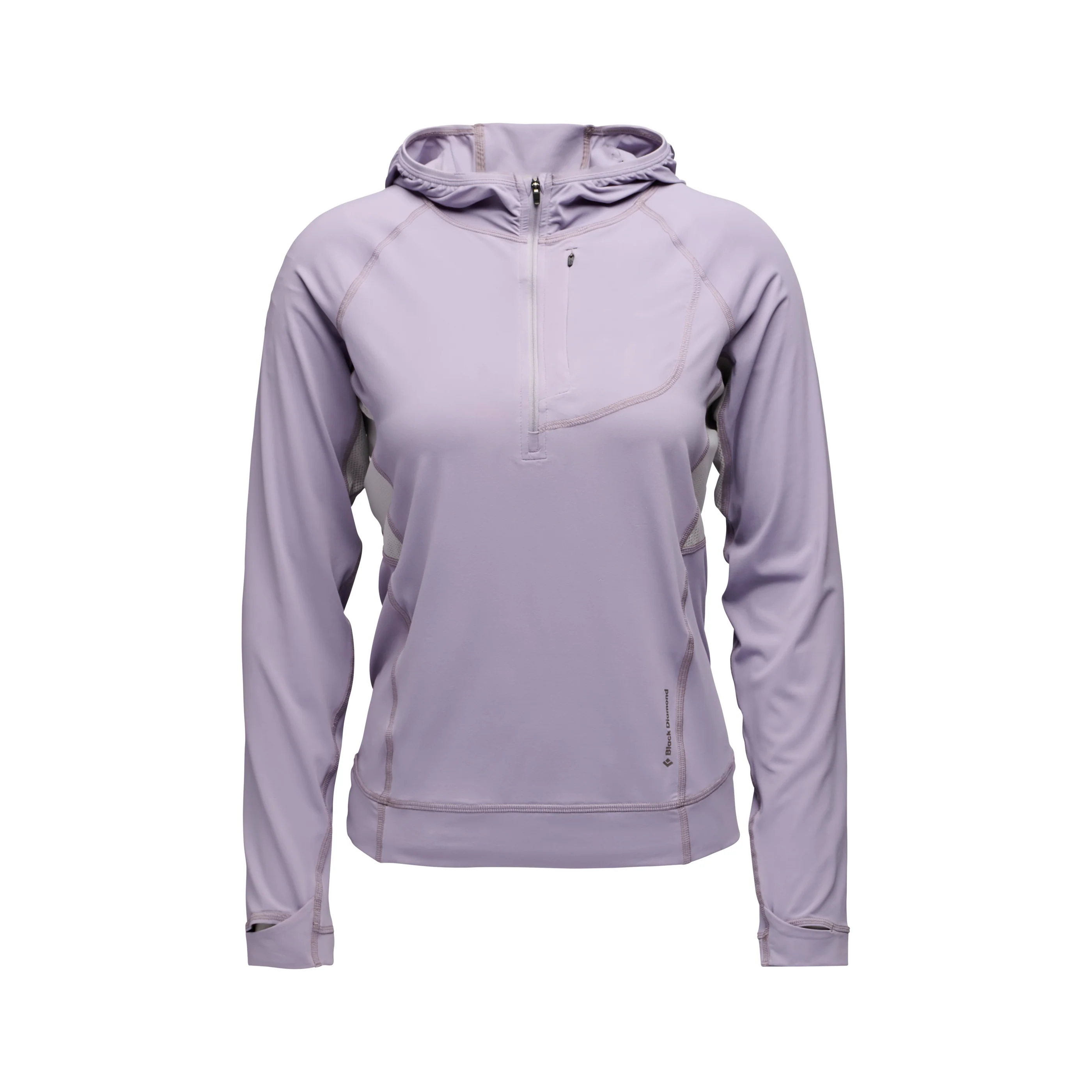 | Black Diamond Alpenglow Pro Hoody (x1) My wife recently switched to this sun hoody and finds it extremely versatile for both cool days and sunny days. |
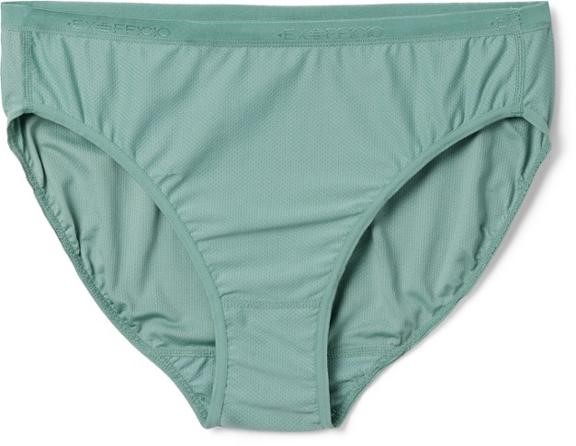 | Women’s Active Briefs (x4) Be sure to get something that feels comfortable under a backpack hipbelt. |
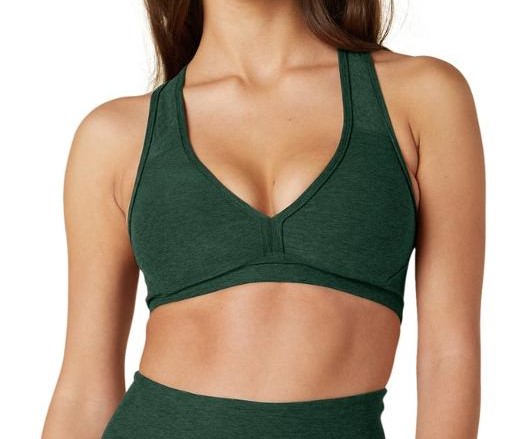 | Beyond Yoga Spacedye Lift Your Spirits Bra (x2) My wife’s favorite by far, due to the support and comfortably soft fabric. |
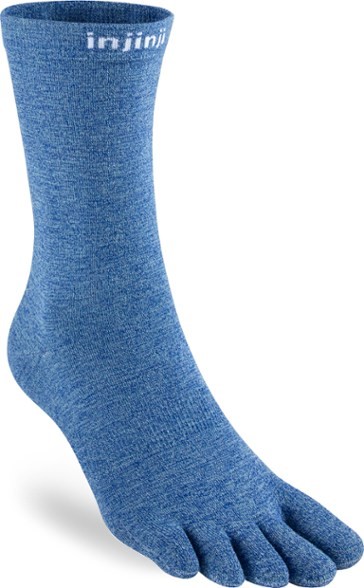 | Injinji Liner Crew Synthetic Socks (x2) My wife loves toe socks because they keep her toes from rubbing against each other. |
| Darn Tough Hiker Micro Crew Cushion Socks – Women’s (x2) Comfortable and durable but pricey. |
…
Mid-Layer & Outer-Layer Clothing
Mountain weather forecasts become very unreliable beyond three or four days, so you have to expect cold and/or wet weather at some point on the Haute Route. A good layered clothing system is essential to stay comfortable day after day. Our standard system comprises a versatile mid-layer, an insulated outer layer, and a waterproof outer (shell) layer.
For mid-layer clothes, we like softshell fabrics due to their combination of stretchiness, warmth, wind-resistance, and quick-drying properties. For insulated outer-layer clothing, we prefer synthetic “puffies” because they can tolerate a considerable amount of moisture and rough use. For waterproof outer-layer clothing, we have generally experienced better performance with Gore-Tex fabrics than with any of the other “waterproof-breathable” fabrics currently available.
As with footwear, the choice of mid-layer and outer-layer clothing is very much a matter of personal preference and body shape. My wife and I have found that Arcteryx clothing fits us very well, in addition to being extremely well-made. Some of our favorite items are shown below. Many other brands, such as Patagonia, Marmot, Mountain Hardwear, Black Diamond, and REI, also offer excellent and popular clothing items.
Jackets & Pants
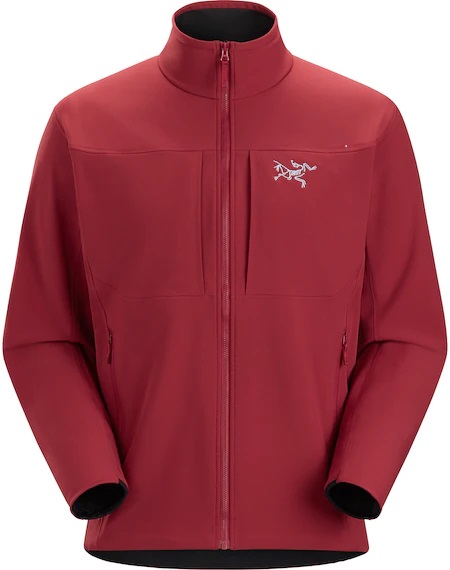 | Arc’teryx Gamma MX Softshell Jacket I use an old Arc’teryx Gamma AR, and my wife uses an old Arc’teryx Epsilon LT, but neither is made anymore. The Arc’teryx Gamma MX is a good substitute. |
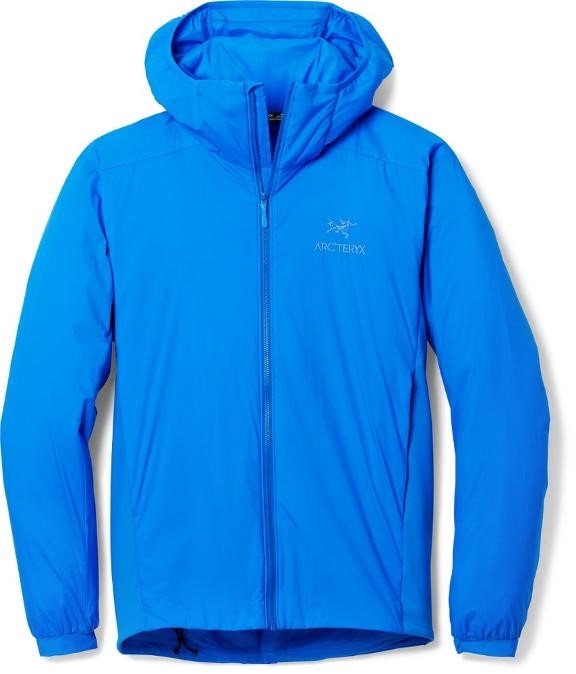 | Arc’teryx Atom Insulanted Hoody An excellent and lightweight synthetic outer-layer “puffy” coat. |
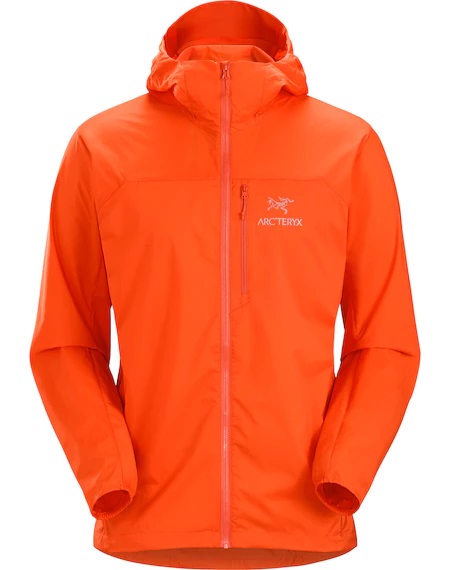 | Arc’teryx Incendo Airshell My wife and I use the Arc’teryx Squamish Hoody, but it isn’t made anymore. The Arc’teryx Incendo Airshell is a good substitute. |
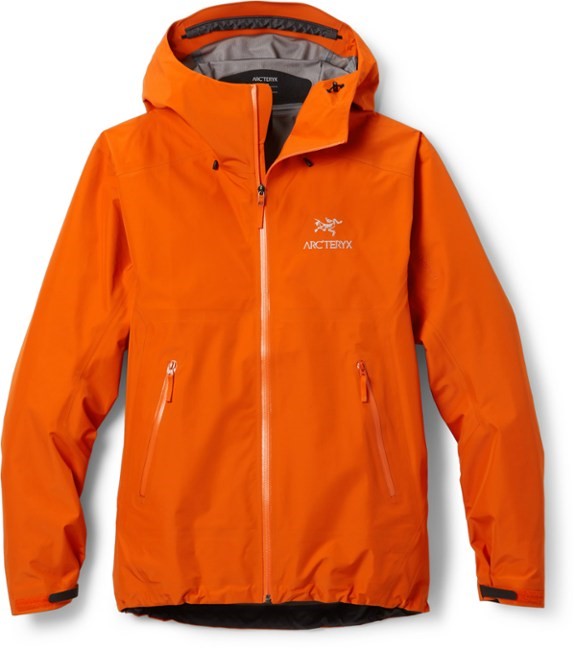 | Arc’teryx Beta SL Shell Jacket A Gore-Tex shell jacket that provides a good balance between low weight, rain protection, and durability. |
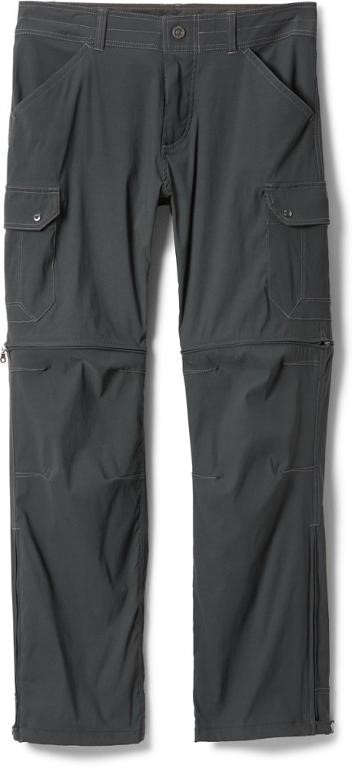 | KUHL Renegade Convertible Pants – Men’s These convertible pants have lots of pockets and are incredibly durable. My wife even likes them better than the women’s model. |
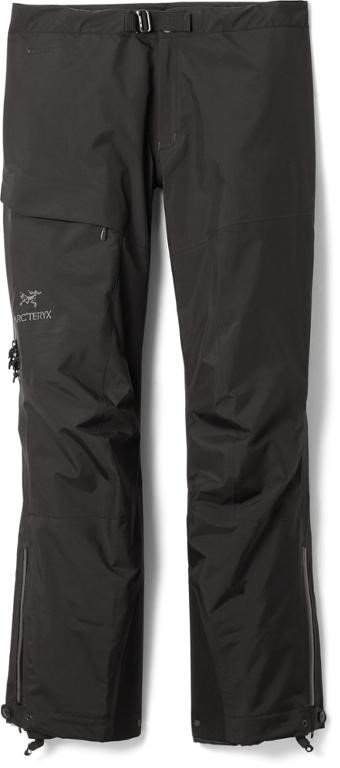 | Arc’teryx Beta Shell Pants A Gore-Tex shell pant that provides a good balance between low weight and durability. I like the 3/4 side zippers because they provide easy on and easy off, and they allow me access to my cargo pockets. |
…
Headwear & Handwear
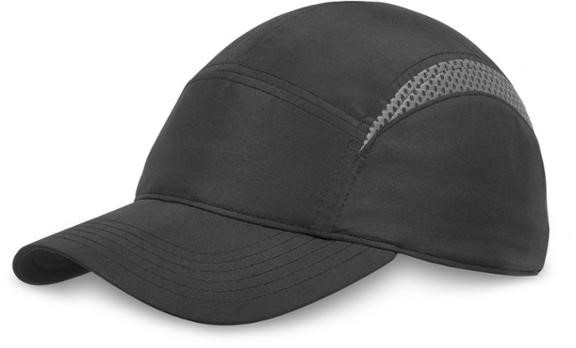
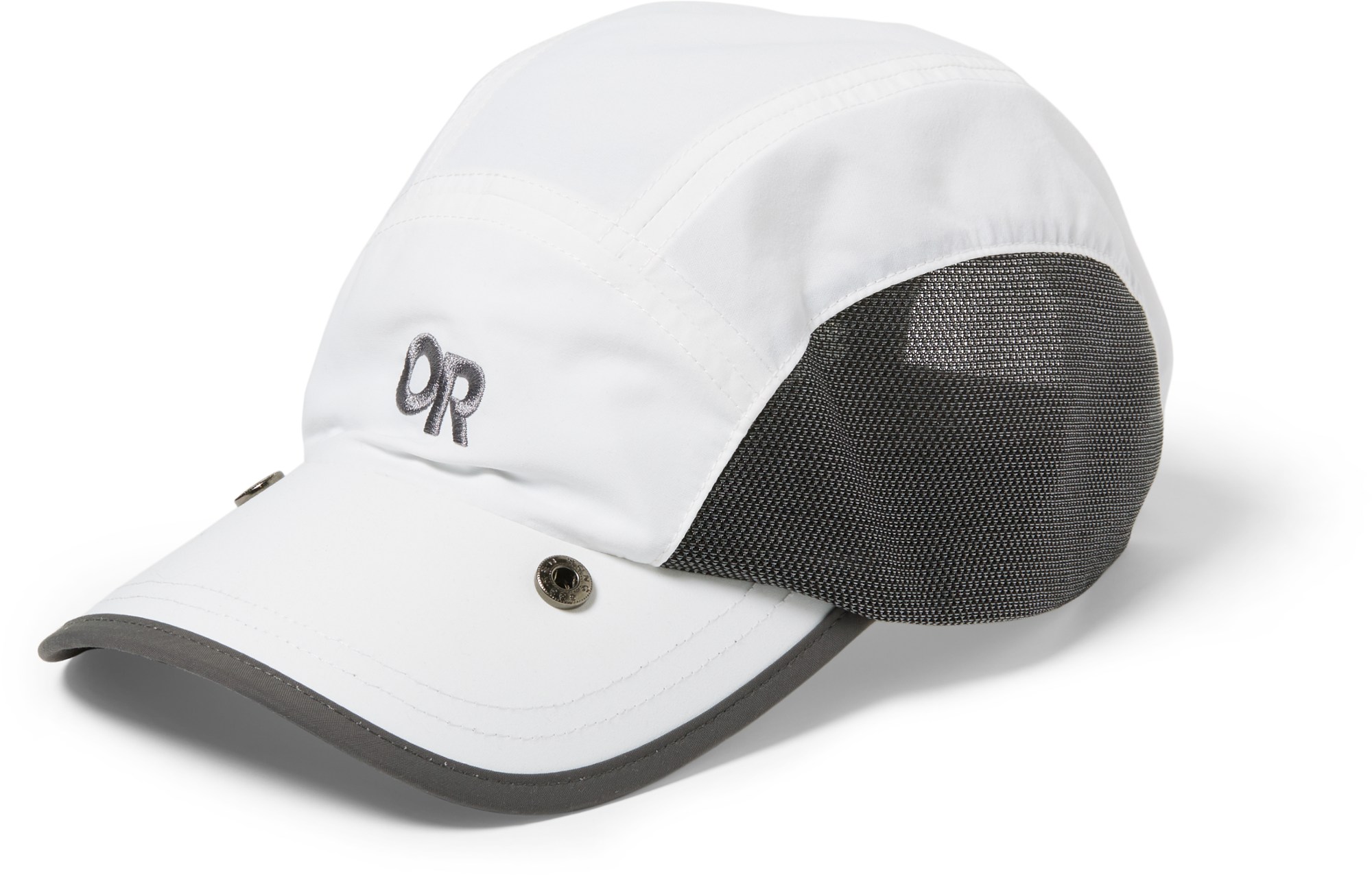 | Outdoor Research Sun Runner Cap We like these baseball-style caps because they breathe well and have a bill for sun protection. This one includes a removable face/neck cape. |
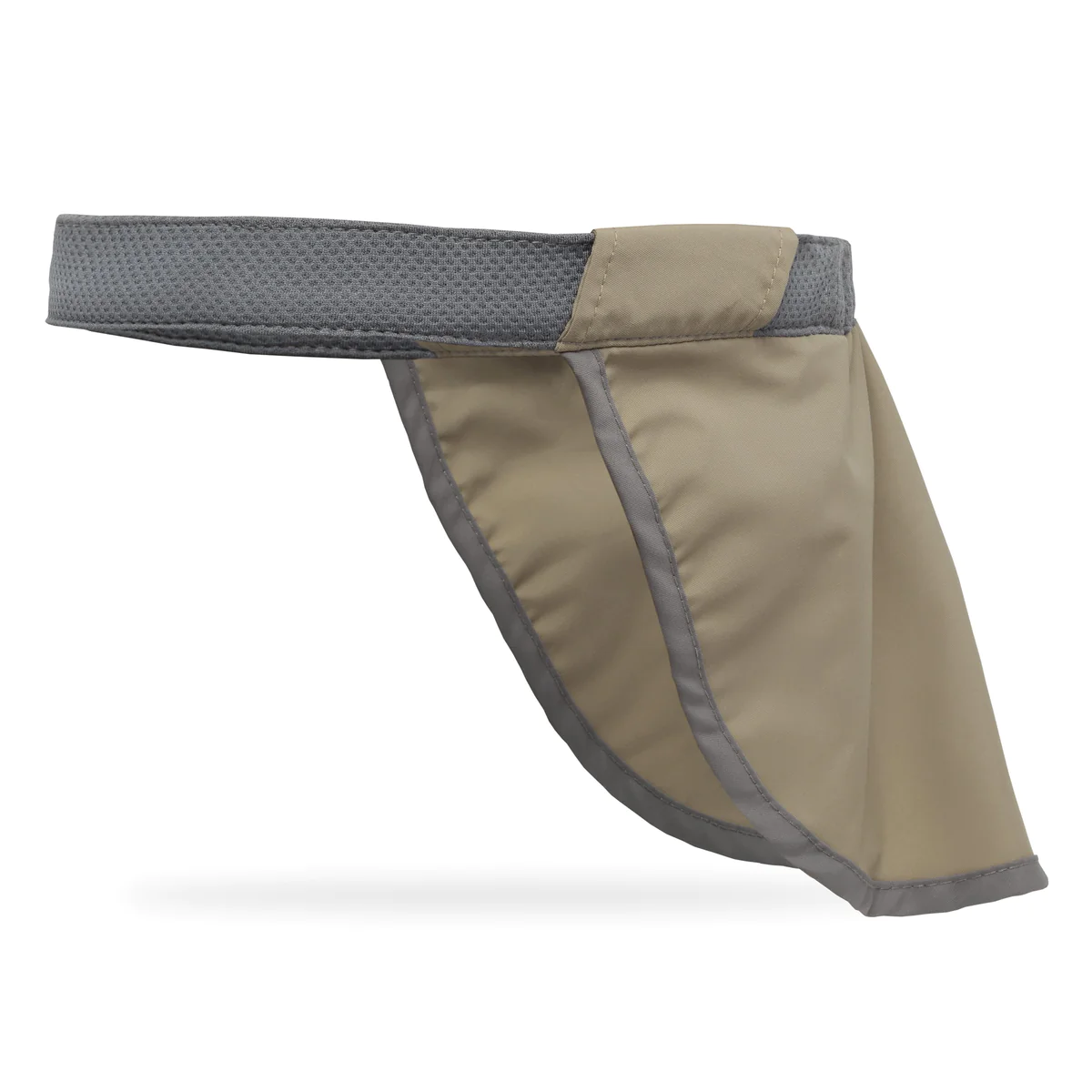 | Sunday Afternoons Neck Cape / Solar Curtain This neck cape fits over any sun cap. I like it so much that I did a review of it on my Summertime Comfort Accessoriespage. |
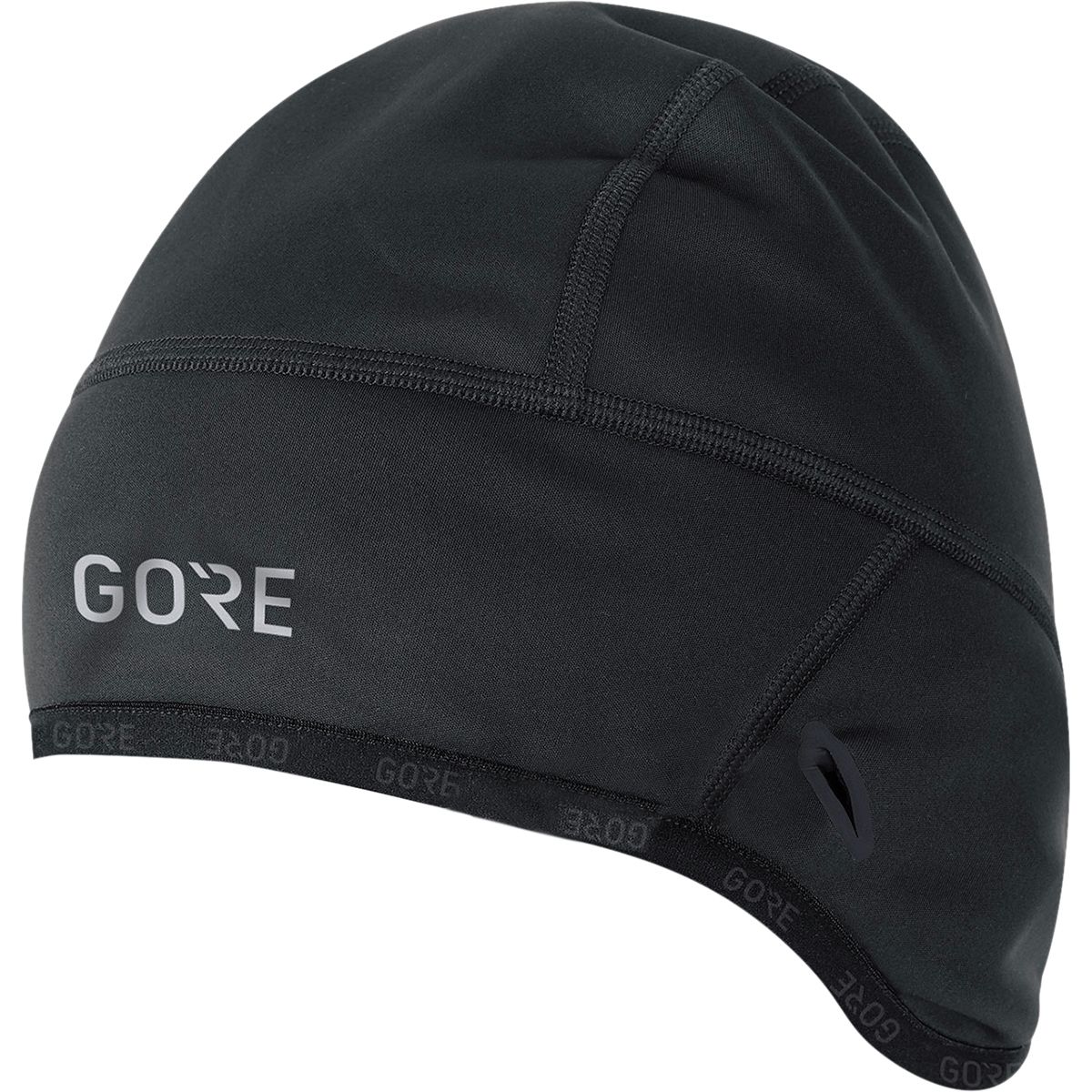 | Gorewear Windstopper Thermo Beanie I like a “skullcap” style tuque because it fits under my sun cap and climbing helmet. The windproof flaps help to keep my ears warm. |
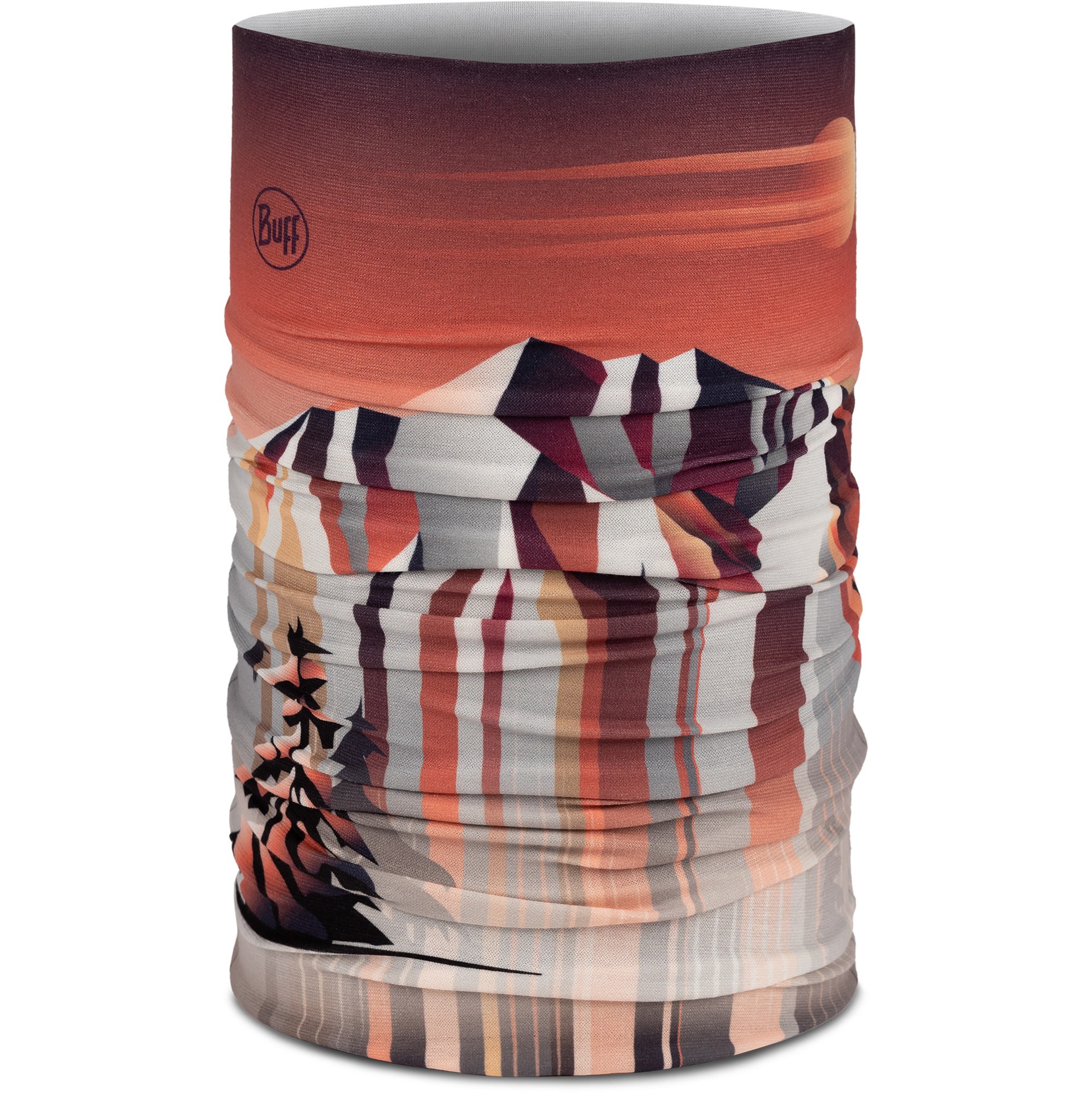 | Buff Ecostretch Tube My wife and daughter love their Buff because it provides extra warmth for almost no extra weight or bulk. |
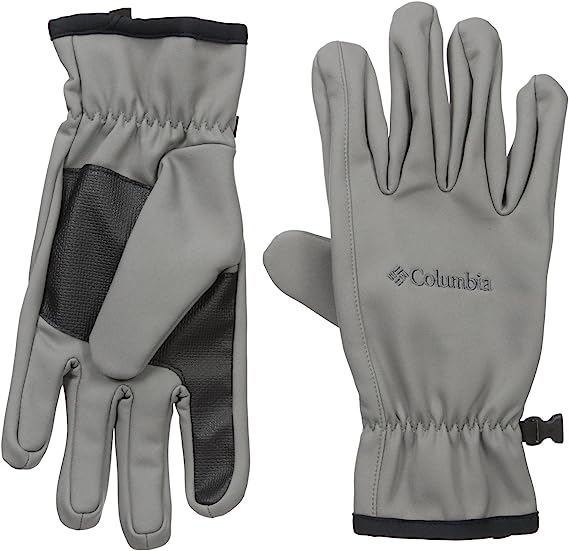 | Columbia Ascender Gloves An excellent softshell glove that sheds wind and light rain. It can be used with cell phones and other touch screens. |
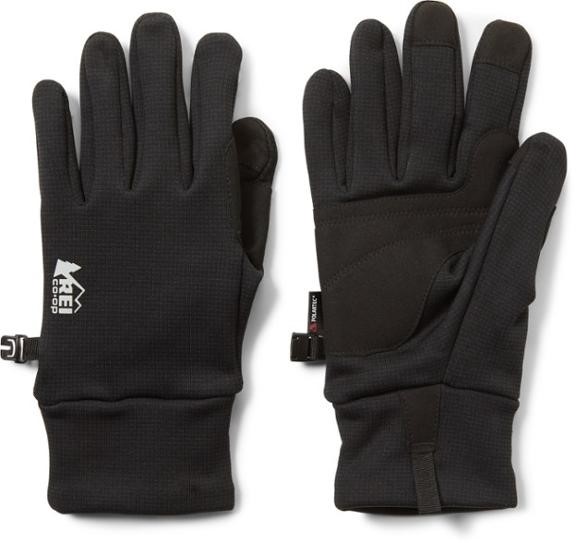 | REI Co-op Polartec Wind Pro Fleece Gloves 2.0 A simple fleece glove that offers good warmth and wind protection. |
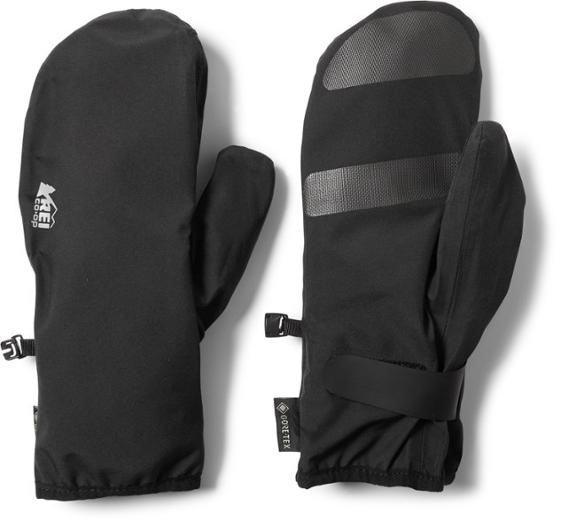 | REI Co-op Minimalist GTX Mittens 2.0 A super-simple and lightweight shell mitten to wear over other gloves or mittens in rainy weather. |
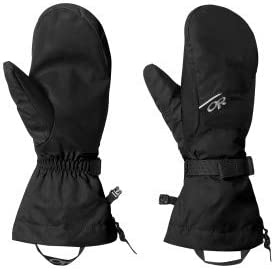 | Outdoor Research Adrenaline Mitts I get cold hands easily, so I like this warm but very flexible mitten. |
<<< ————– >>>
Hut Gear & Clothes
Hut Footwear & Accessories
All mountain huts along the Haute Route require trekkers to wear some sort of clean footwear, because trekking boots are not allowed indoors. Many huts provide guest shoes but some don’t, so we carry our own. Also, blankets and pillows are provided in each hut, but a personal sleeping sack is required for hygienic reasons. Our other hut gear included a hygiene kit, a hand towel, and a bath towel (most huts have showers).
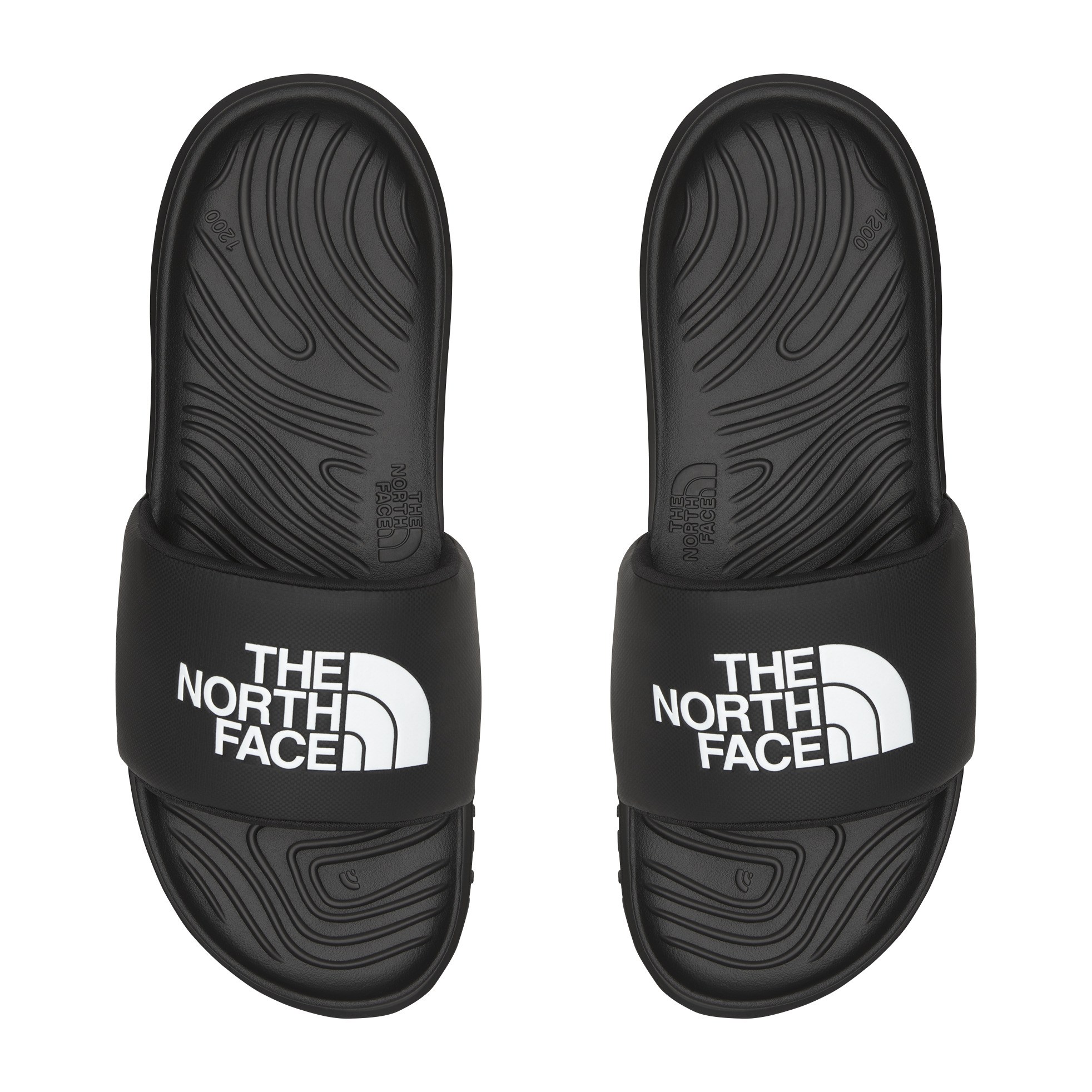 | North Face Never Stop Cush Slides My wife likes these slide-in sandals because they can be worn in the showers, as well as around the huts. |
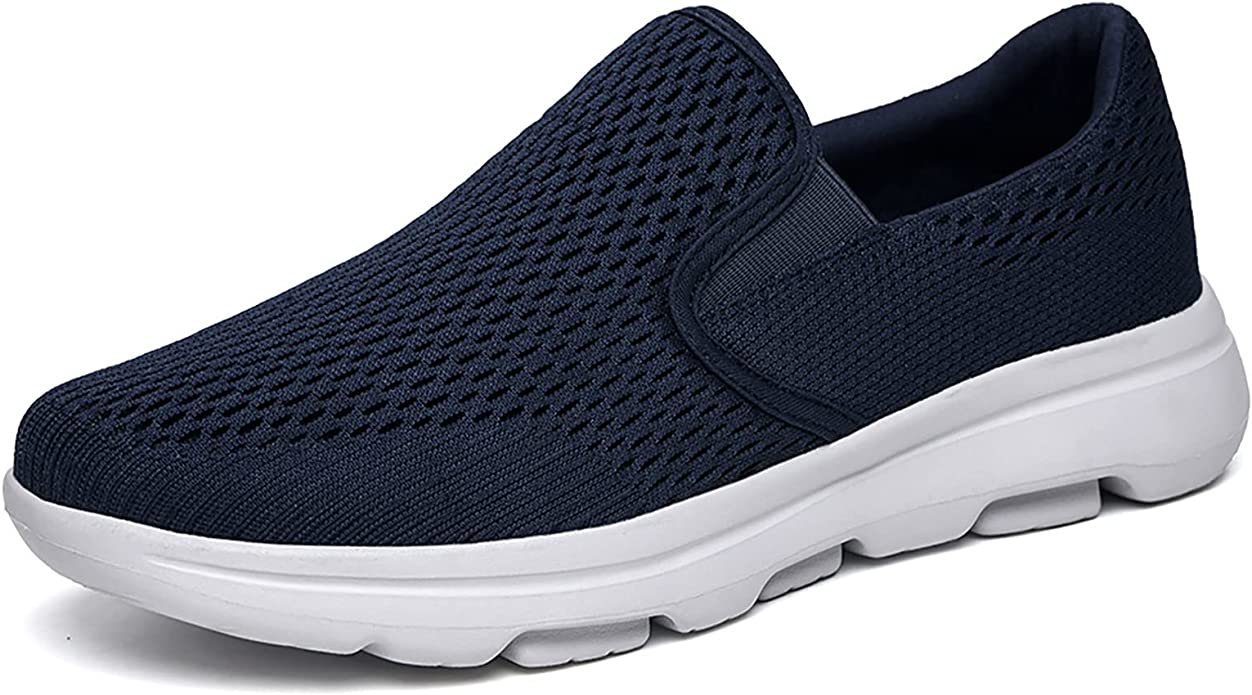
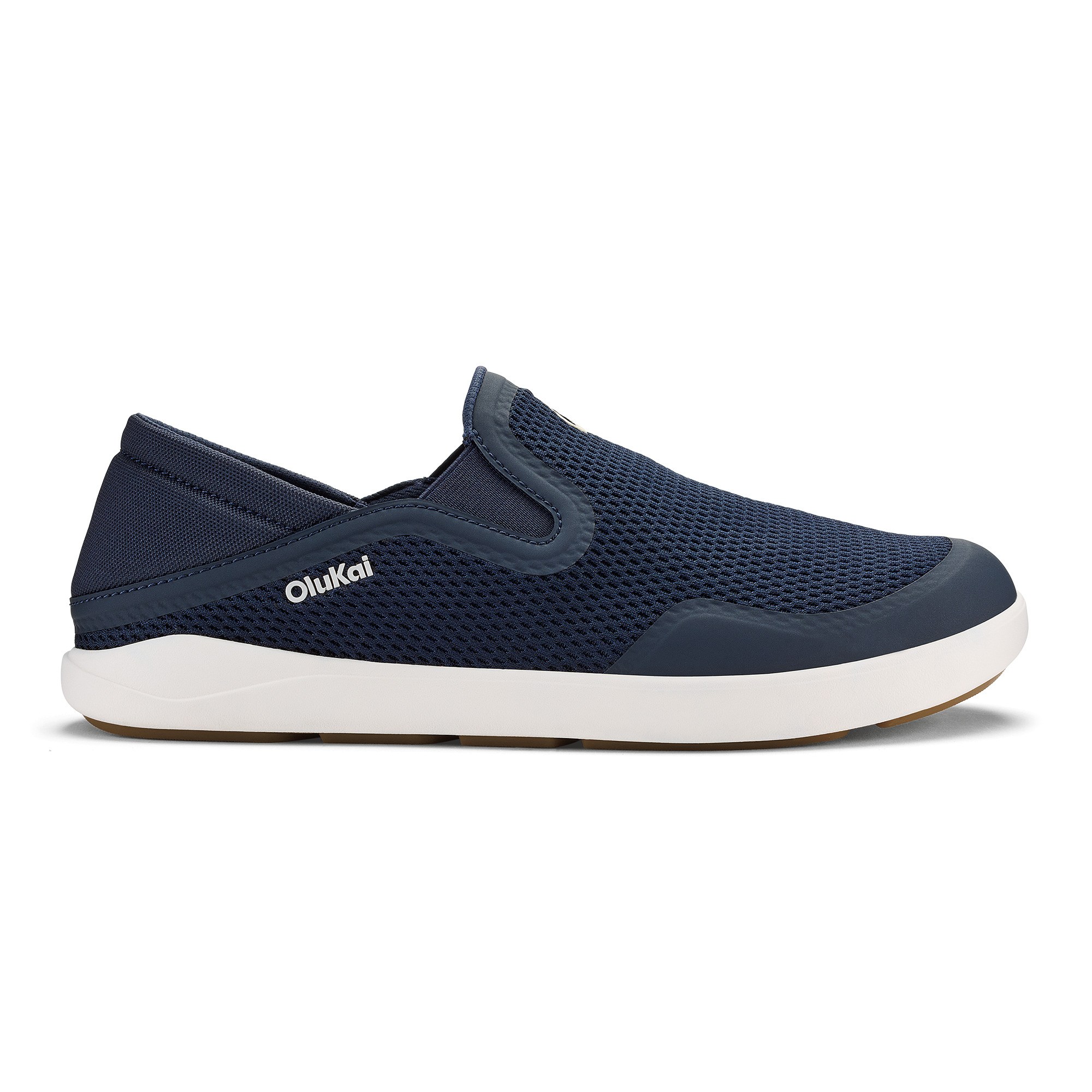 | Moku Light-Weight Slip-On Loafers I like these loafers because they have a more supportive “sneaker” feel. |
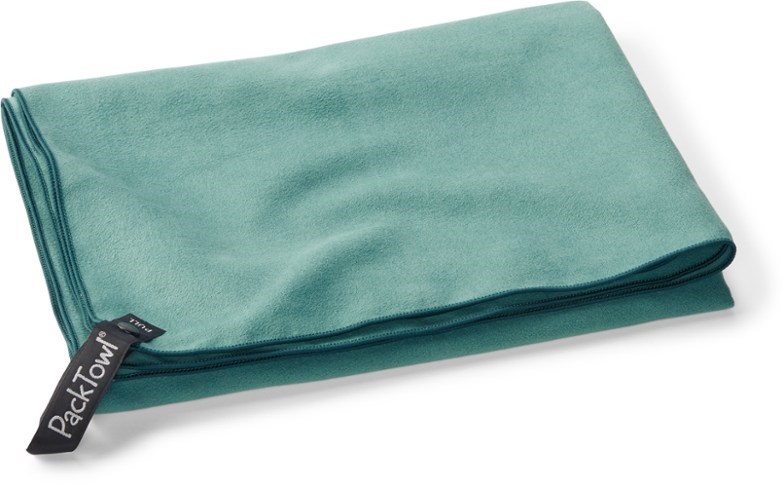
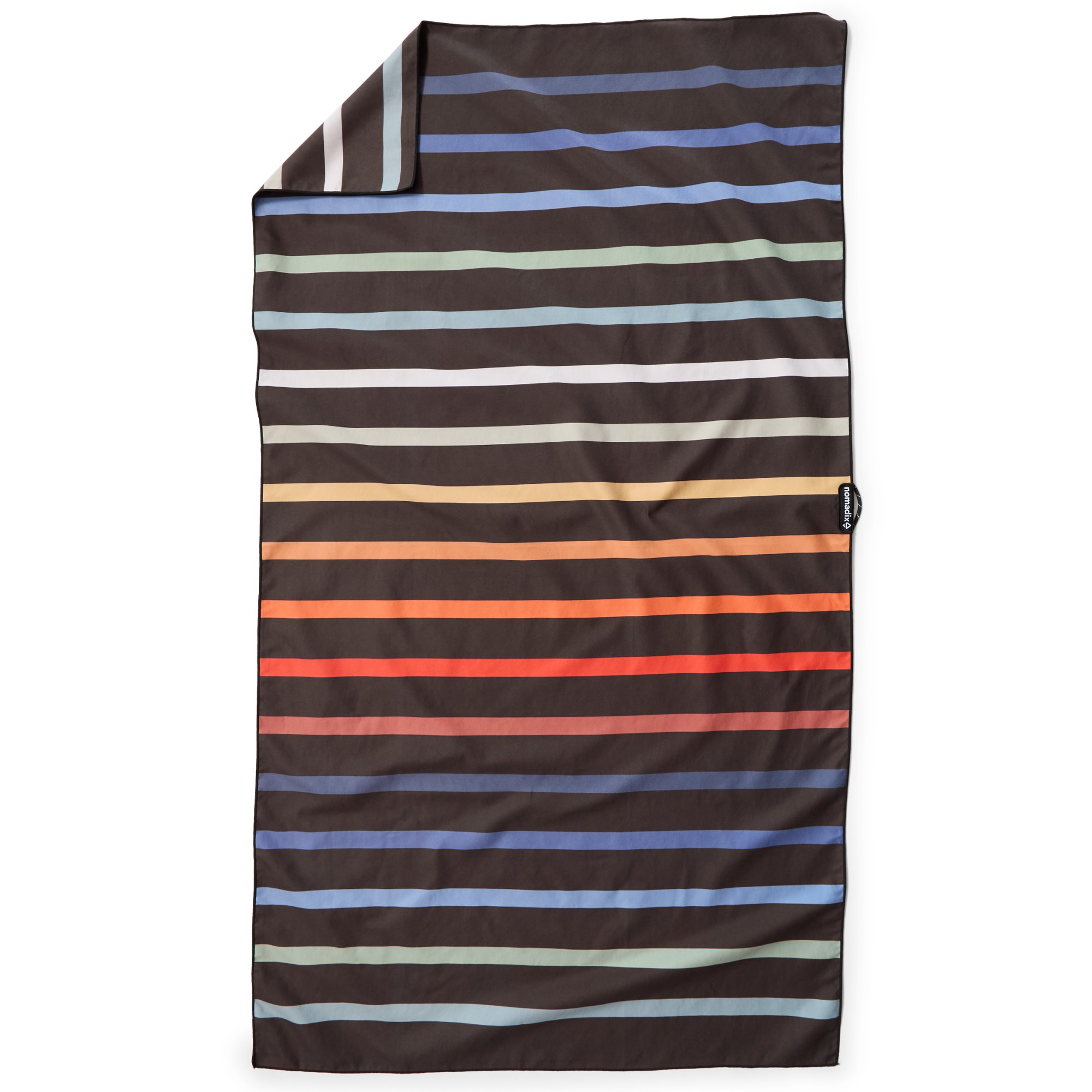 | PackTowl UltraLite Towel Bathrooms in huts have soap but many do not have anything to dry your hands. I like having a small towel for handwashing and a large towel for showering. |
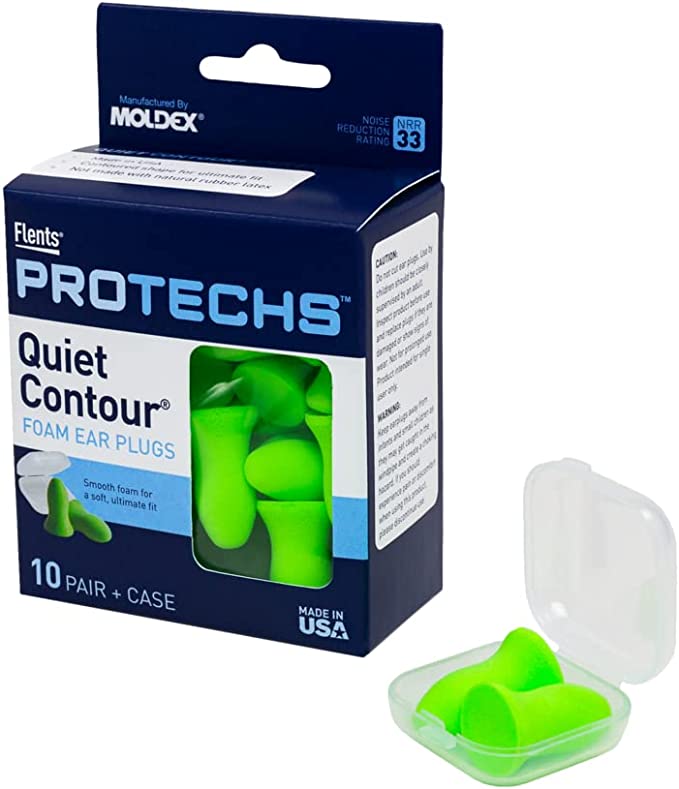 | Flents Foam Ear Plugs Every hut has at least one loud snorer. If you are sensitive to noise when sleeping, take a supply of earplugs. |
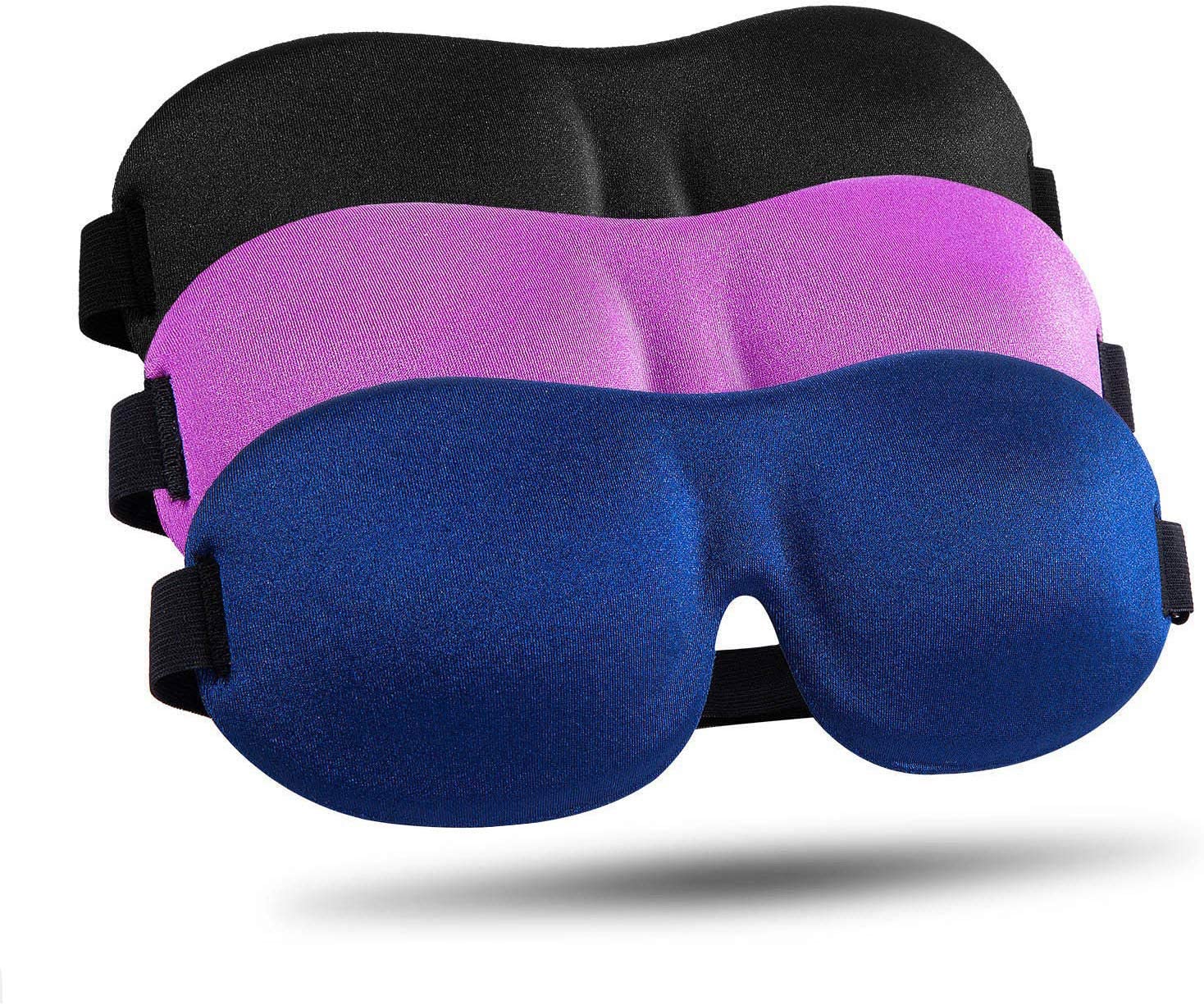 | Sleeping Mask If you are sensitive to ambient light when sleeping, take an eye mask or two. |
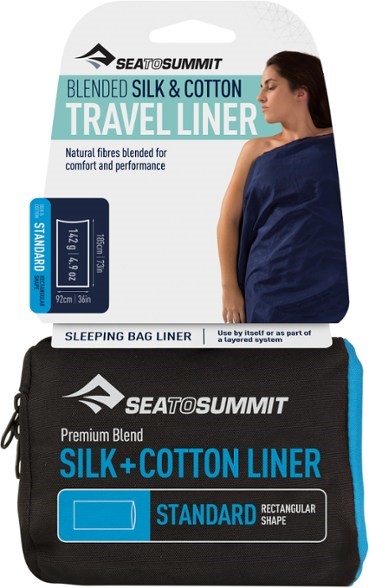
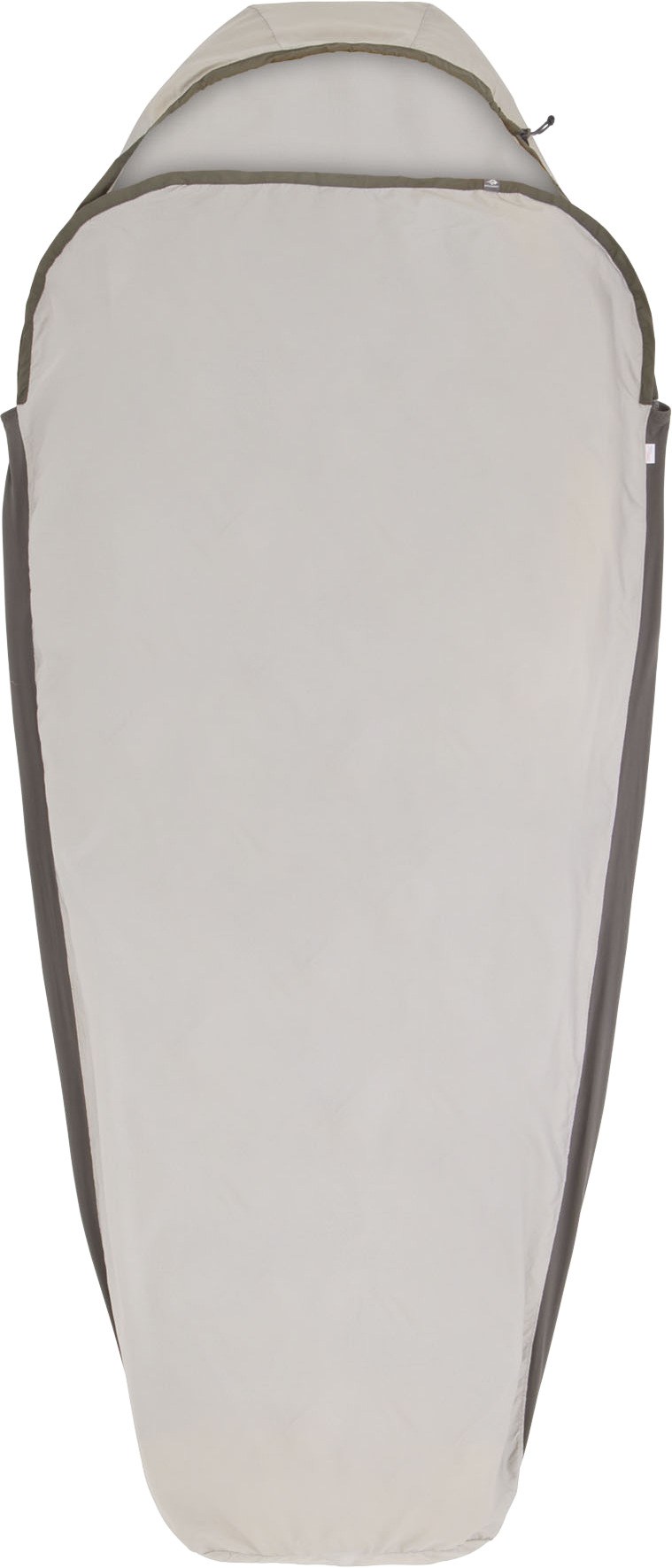 | Sea to Summit Silk Blend Travel Sleeping Bag Liner A lightweight, comfortable, and machine-washable rectangular sleeping sack. We found that some huts were so warm, this was all the cover we needed. |
…
Hut Clothing
Although not required, it is very nice to have a clean set of hut clothing to put on every night. This typically includes a shirt, pants, socks, and perhaps a sweater or vest. Comfort is really the only goal here, so even cotton fabrics are OK.
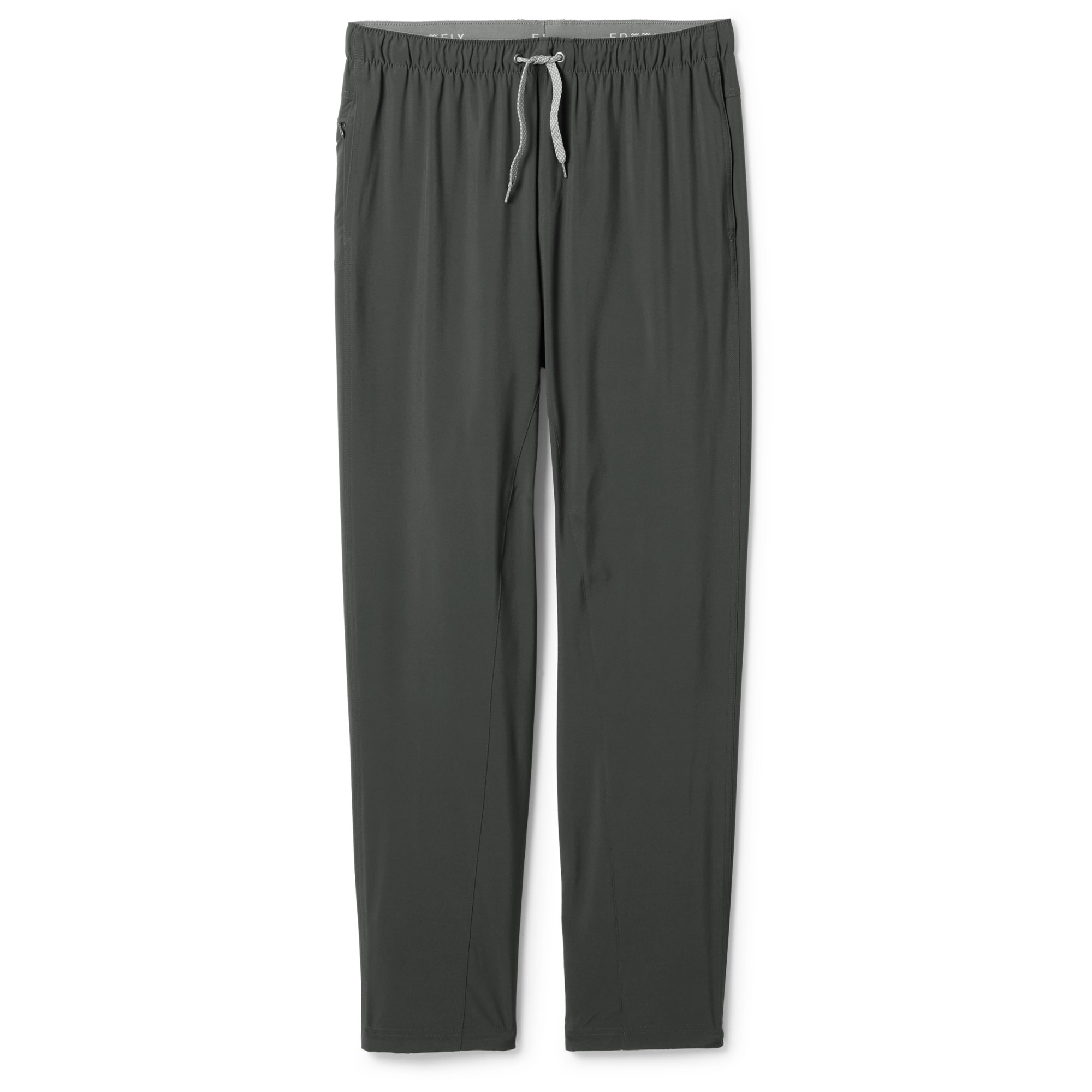 | Men’s Casual Lightweight Pants Any type of casual pant, jogging pant, yoga pant, or training pant is suitable. |
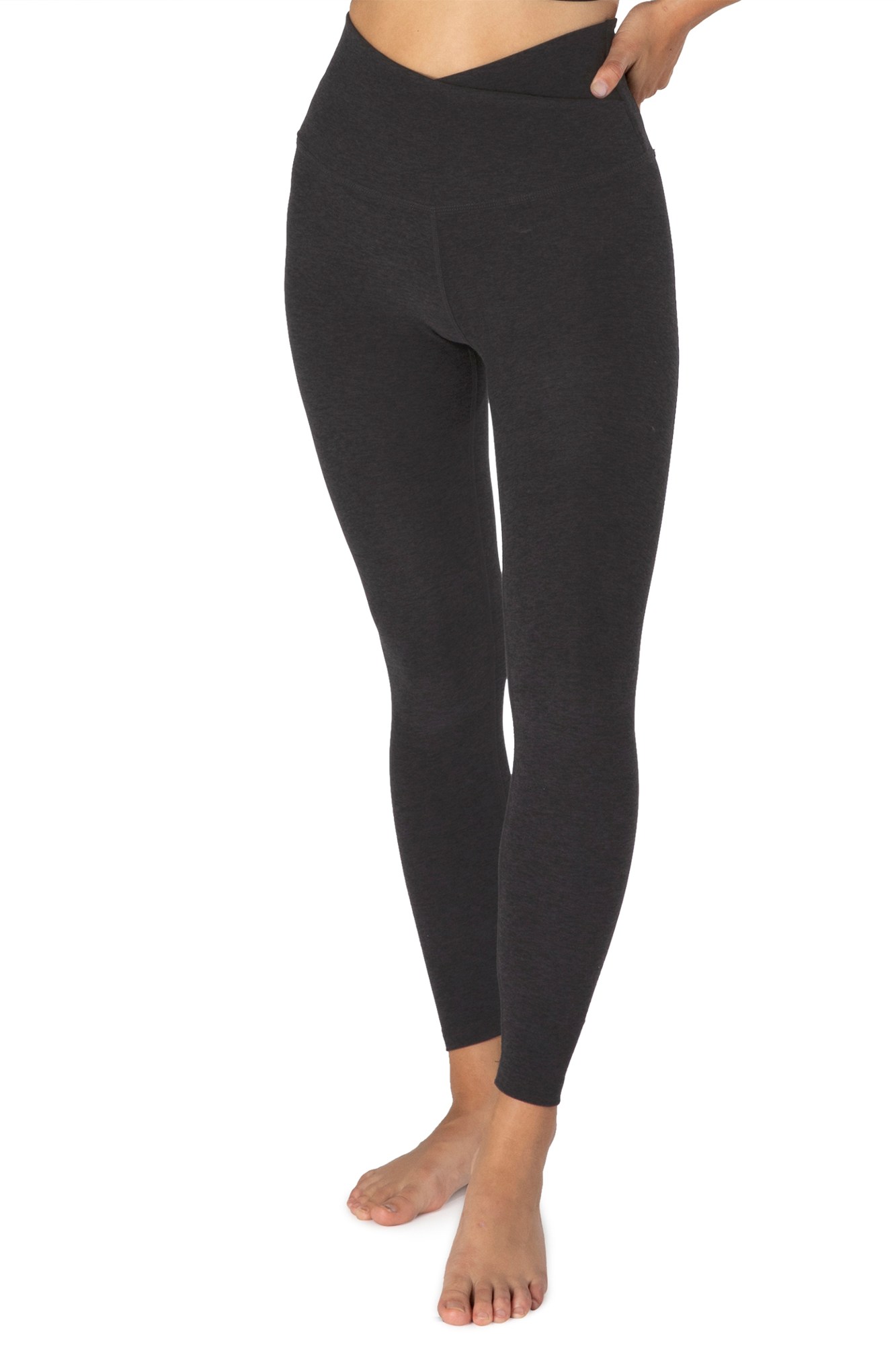 | Women’s Beyond Yoga Spacedye At Your Leisure High-Waisted Midi Leggings My wife really likes the cut and fabric of these pants. |
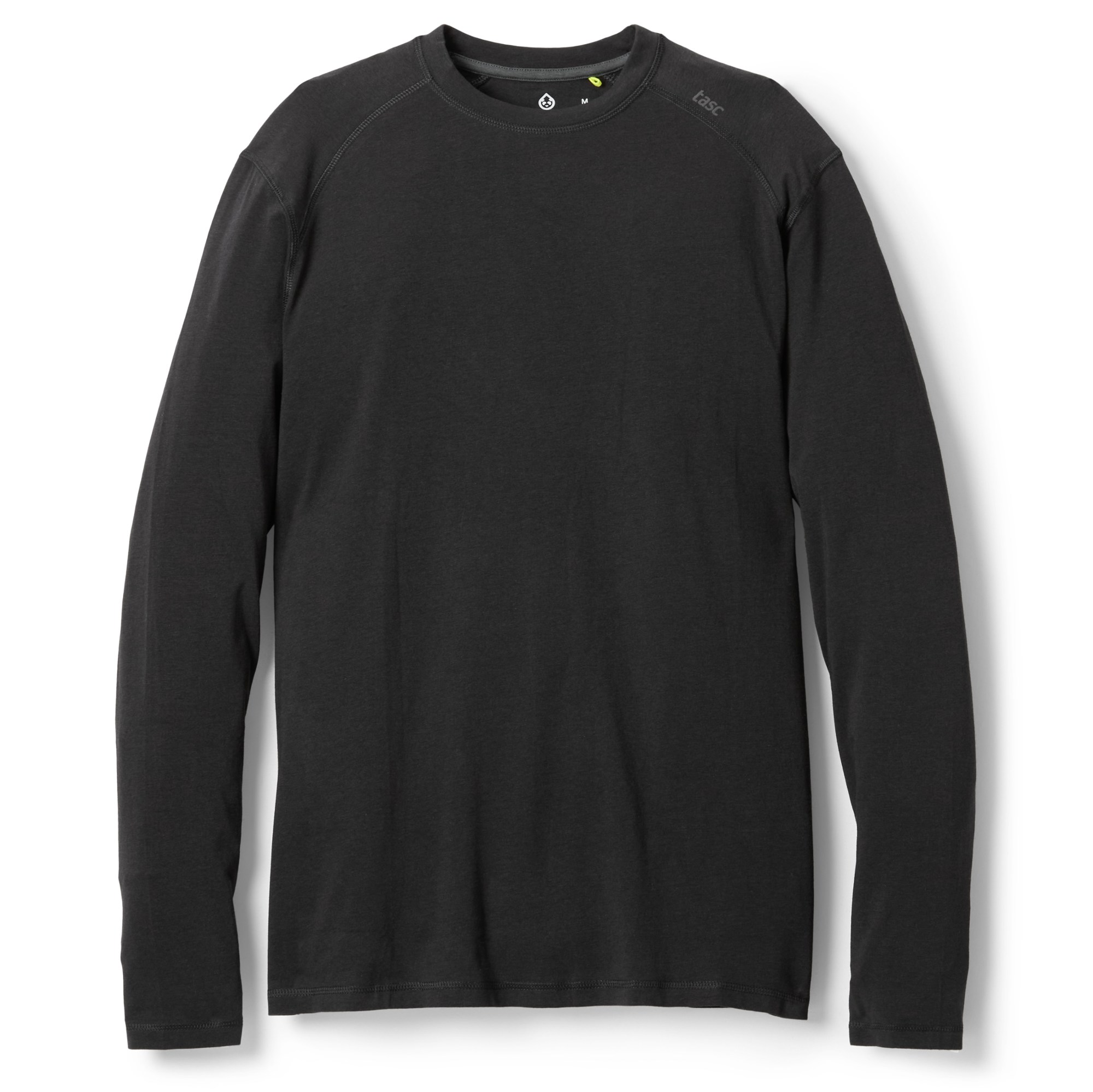 | Men’s Lightweight Long Sleeve Crewneck Shirt I prefer a loose-fitting, cotton-blend crewneck shirt for simplicity and comfort. |
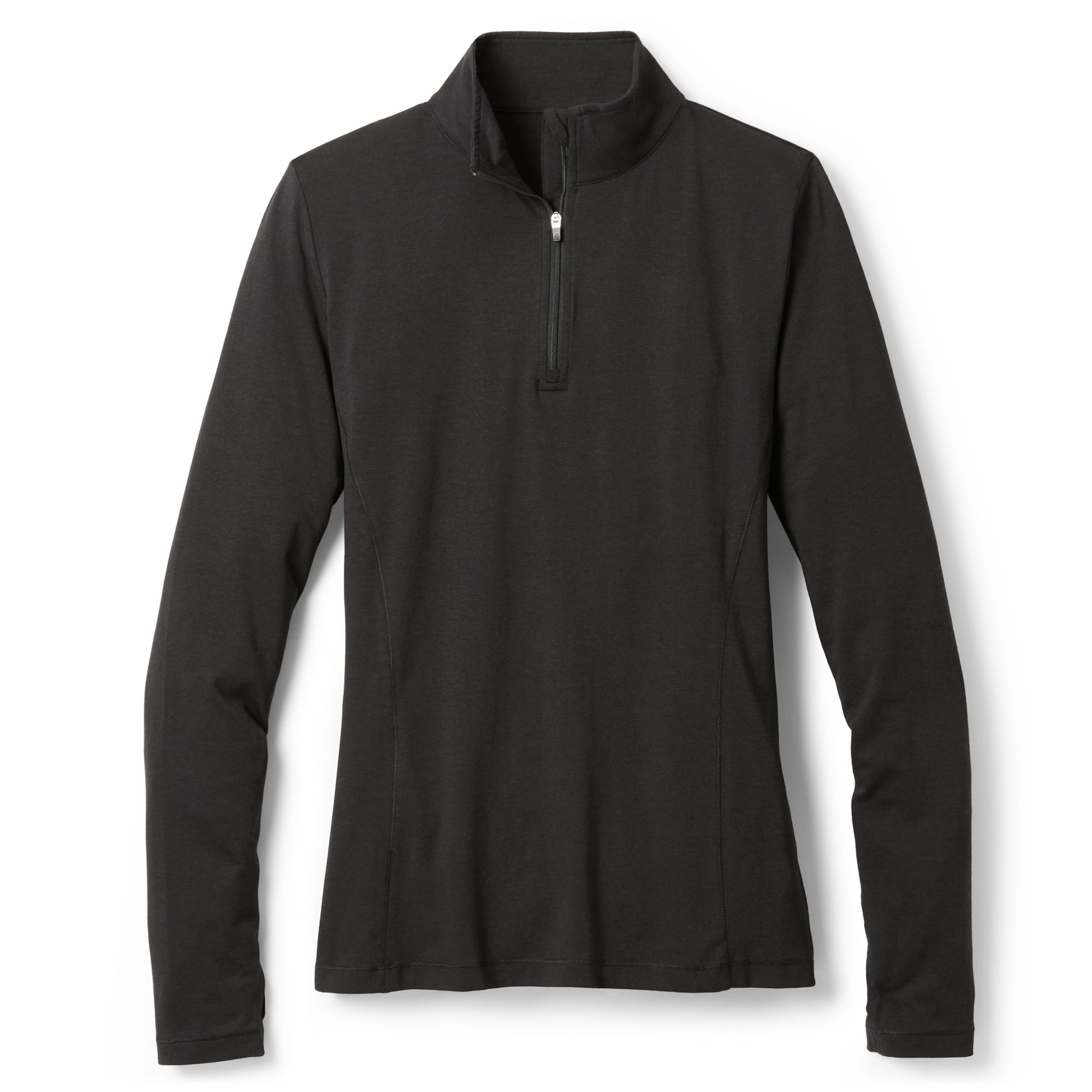 | Women’s Lightweight Long Sleeve, 1/4 Zip Shirt My wife prefers a zip-neck shirt for easier ventilation. |
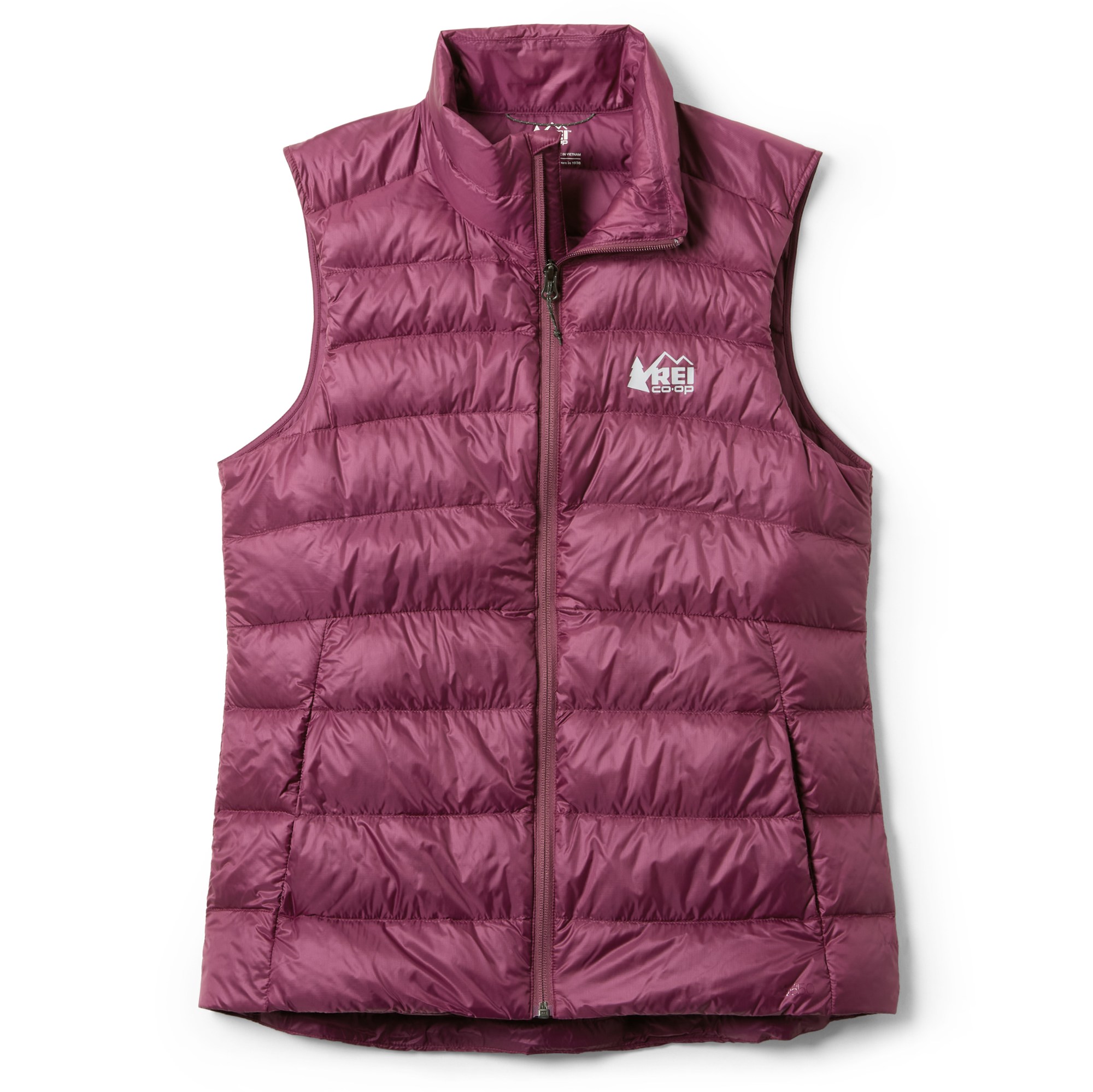 | Women’s REI 650 Lightweight Down Vest My wife liked having a vest to wear in the huts so that she was comfortable not wearing her hiking bra. |
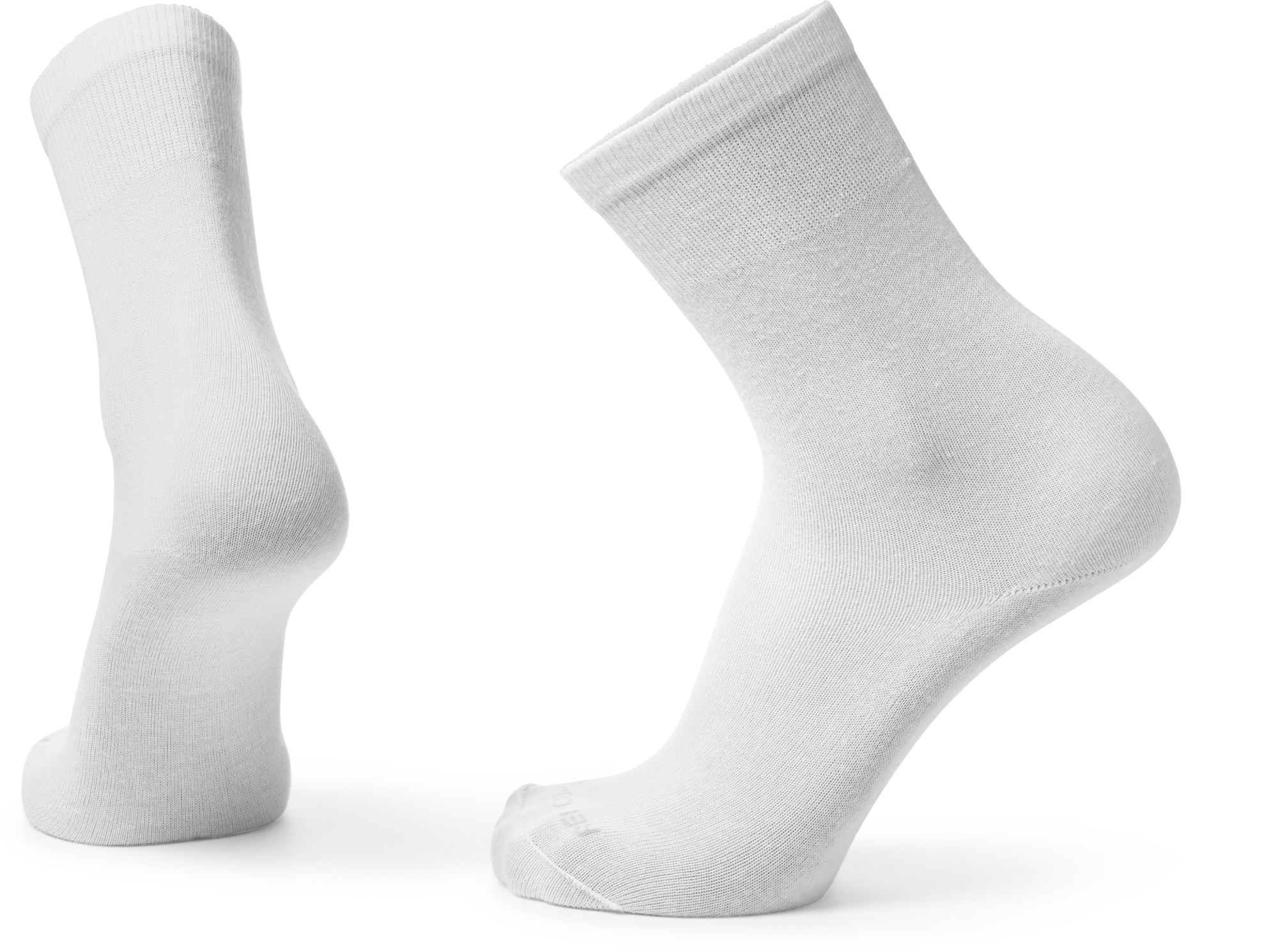 | Soft Anklets or Crew Socks Any type of sock is fine as long as it is comfey. |
…
<<< ————– >>>
Foreign Travel Essentials
Because the Haute Route starts in France and ends in Switzerland, it is necessary to deal with two different currencies. France uses the Euro, whereas Switzerland uses the Swiss Franc. Several of the huts accept only cash, so plan on hitting a cash machine (ATM) when you arrive in the country.
Before leaving home, verify that your credit and debit cards do not get charged foreign transaction fees and that your bank will refund any fees charged by foreign parties. For more information on working with money in foreign countries, see my page entitled How to Deal with Foreign Currency when Traveling outside the U.S.
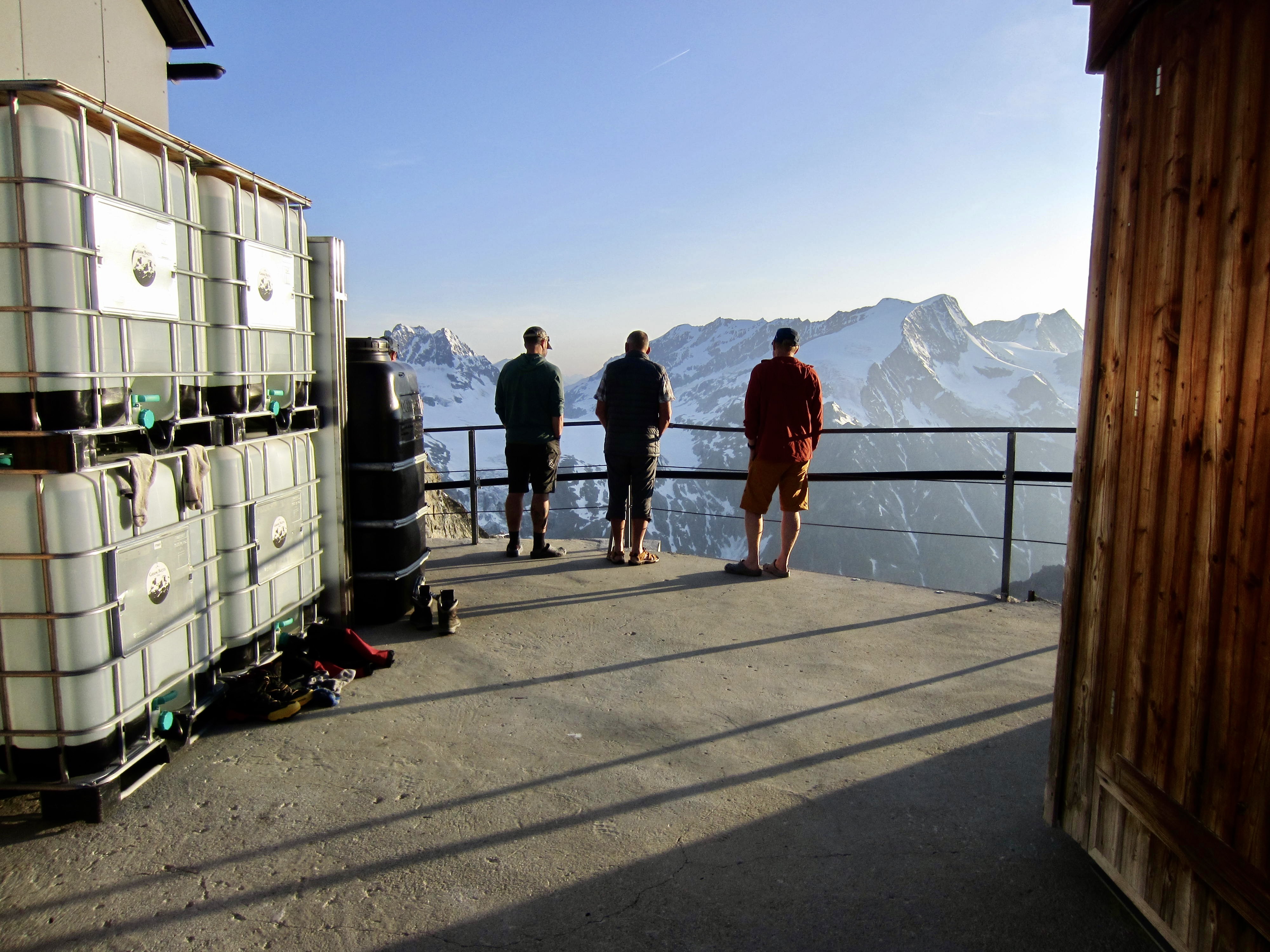
Electrical outlets are available in almost every mountain hut along the Haute Route, but France and Switzerland use different outlet styles. Therefore, you will need a power adapter for each country. Because outlets are very limited in many huts, we prefer an adapter with more than one USB port to allow recharging more than one electrical device at the same time.
Other travel essentials include paper maps of the route; digital maps loaded onto your cell phone; a paper and/or digital copy of all confirmation emails for hotel, hut, and car reservations; and paper and/or digital copies of any important route information that you have gathered. Obviously, many of these items can be shared among a group.
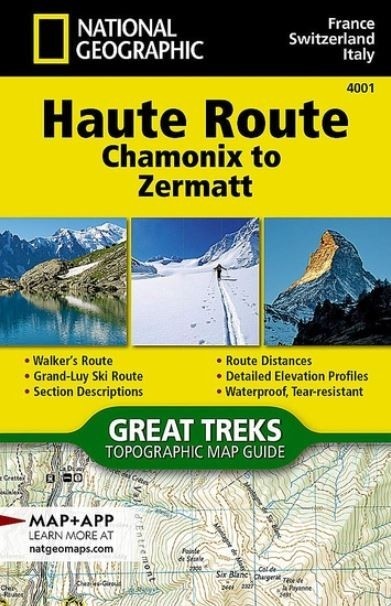 | National Geographic Haute Route Map A large-format, two-sided paper map with excellent detail. |
 | Digital Maps showing Haute Route GPS Track We use CalTopo for creating tracks prior to leaving home. |
 | Stay Connected using Airalo eSIM Data Plans Get US$3 off by using code JAMES6603 at signup or checkout. My post on Staying Connected details how we utilized our data plans. |
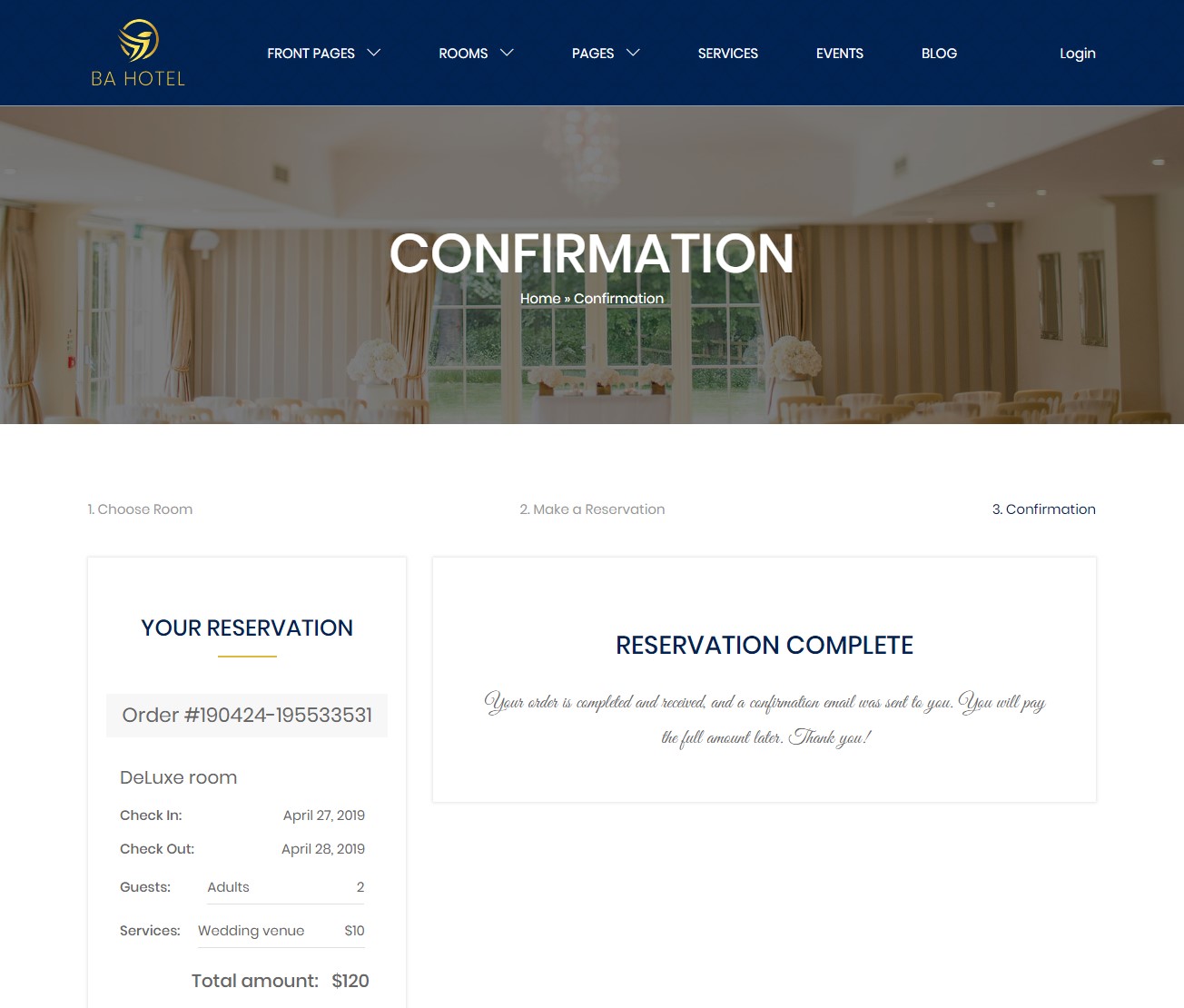 | Hut Reservation and Deposit Confirmation Emails We use Microsoft OneNote to digitally store our documents, so they are all available offline. Brooke Beyond has a helpful Instagram reel on using OneNote |
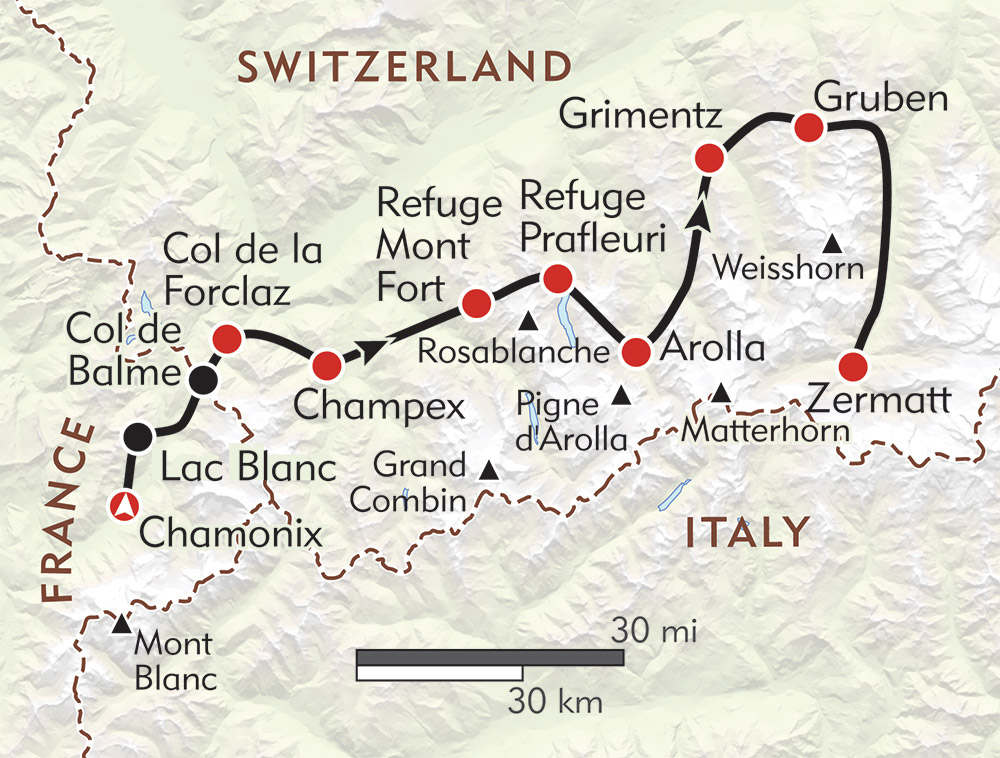 | Route Beta We researched a variety of on-line information regarding the route, including guide service itineraries. Additionally, we sussed out grocery stores, laundromats, ATMs, bus stations, and other services that were available in each town along the route. |
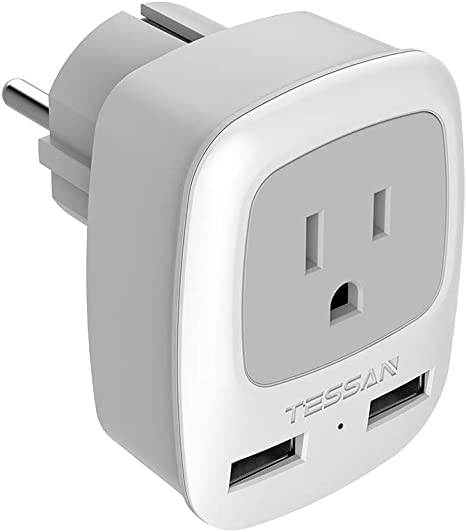 | France Travel Power Adapter, Type E-F Includes one USA/Canada input and two USB ports. |
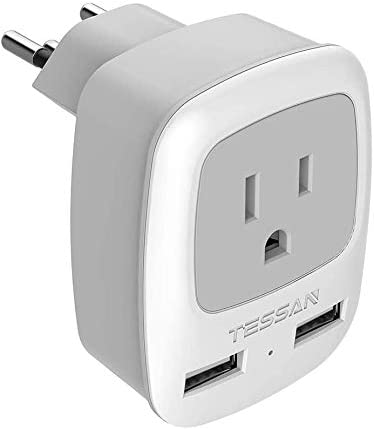 | Switzerland Travel Power Adapter, Type J Includes one USA/Canada input and two USB ports. |
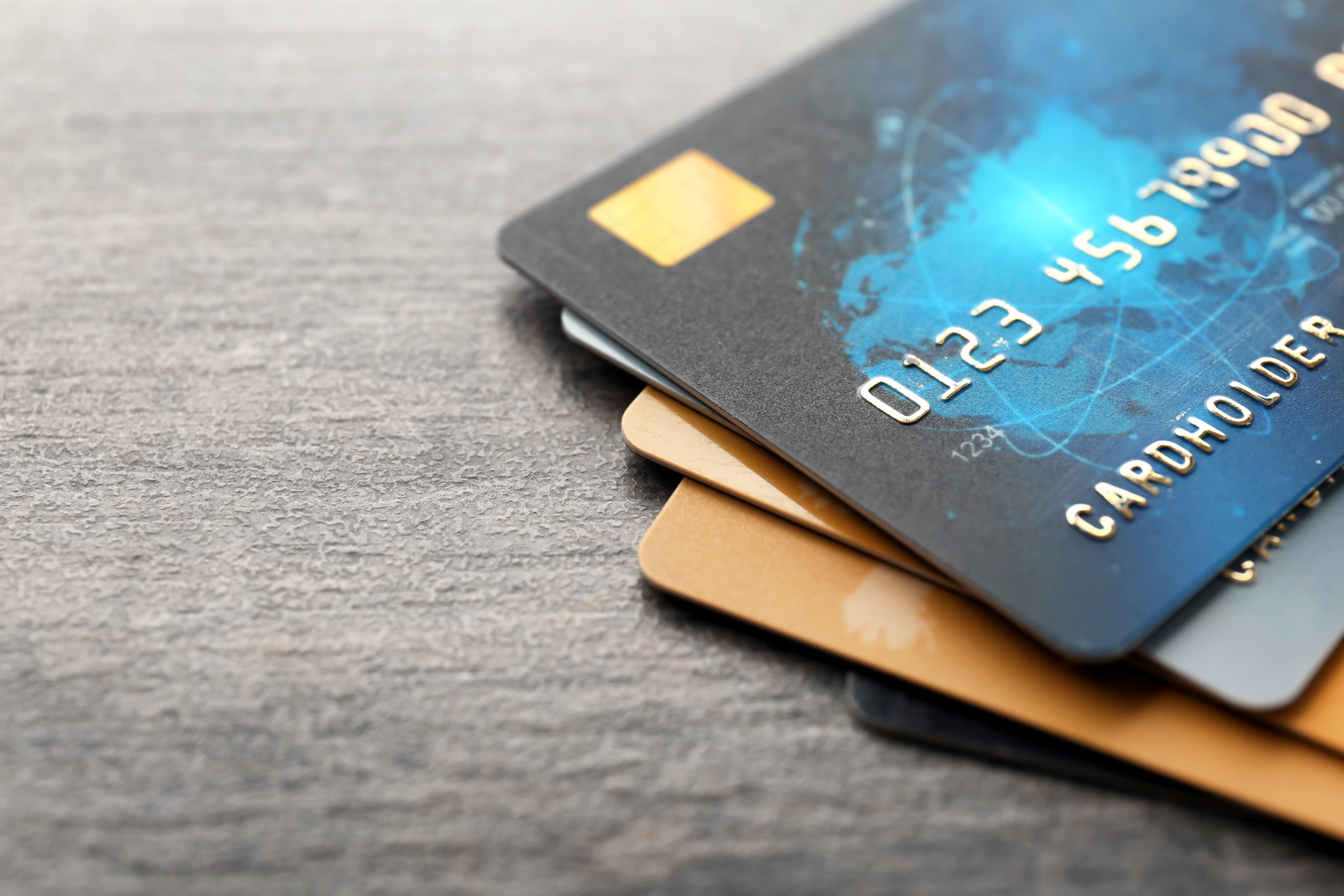 | Credit Cards (x2) & Debit Card (x1) My post on Dealing with Foreign Currencies has detailed recommendations about paying for your trip overseas. |
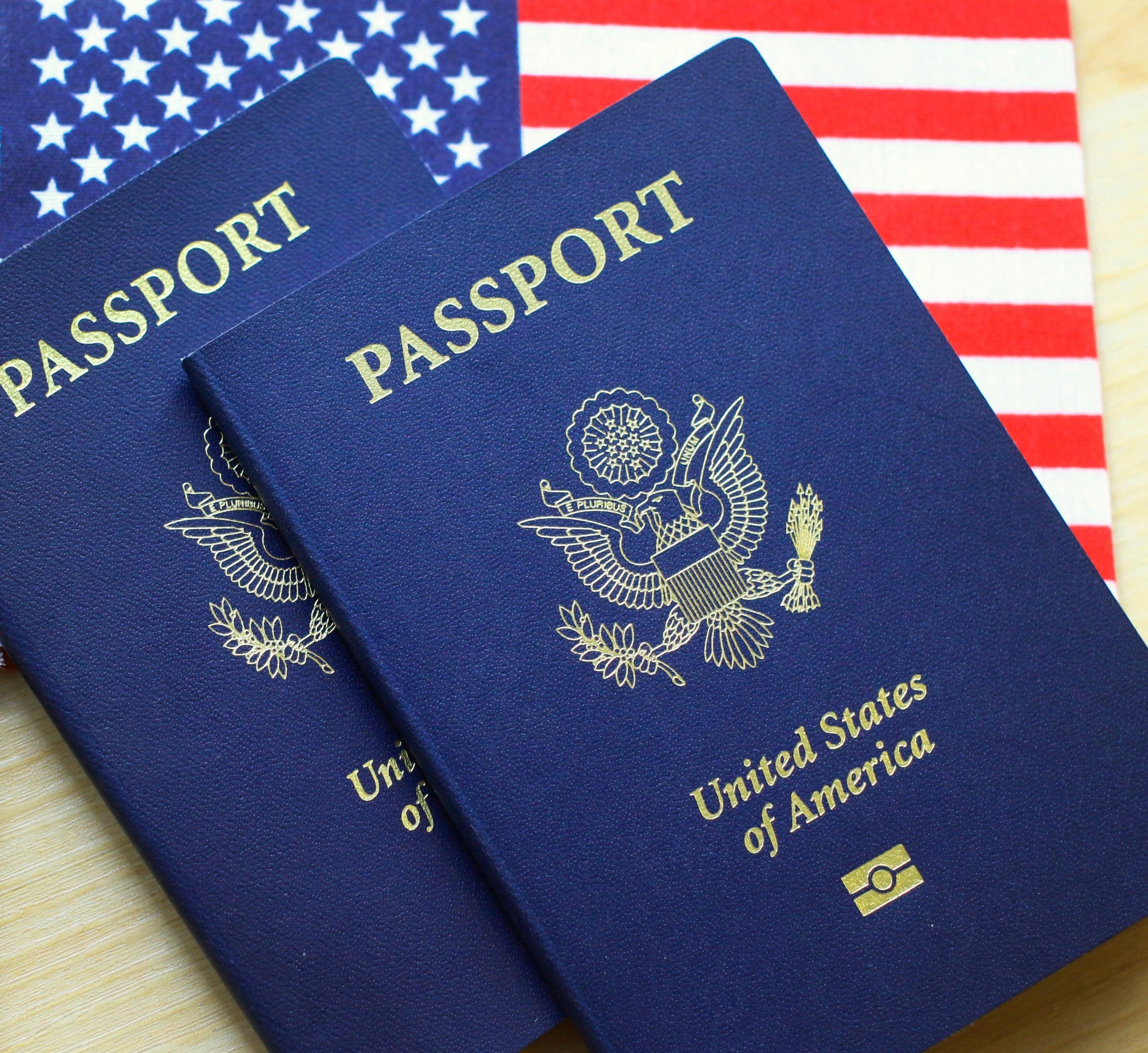 | Passport In addition to carrying your passport booklet, keep a photograph on your cell phone and make sure someone back home has a copy. |
Our CalTopo GPS file is referenced and linked to in the table above. This file cannot be used in the field without a minimum subscription to CalTopo.
<<< ————– >>>
Trekking Food & Beverages
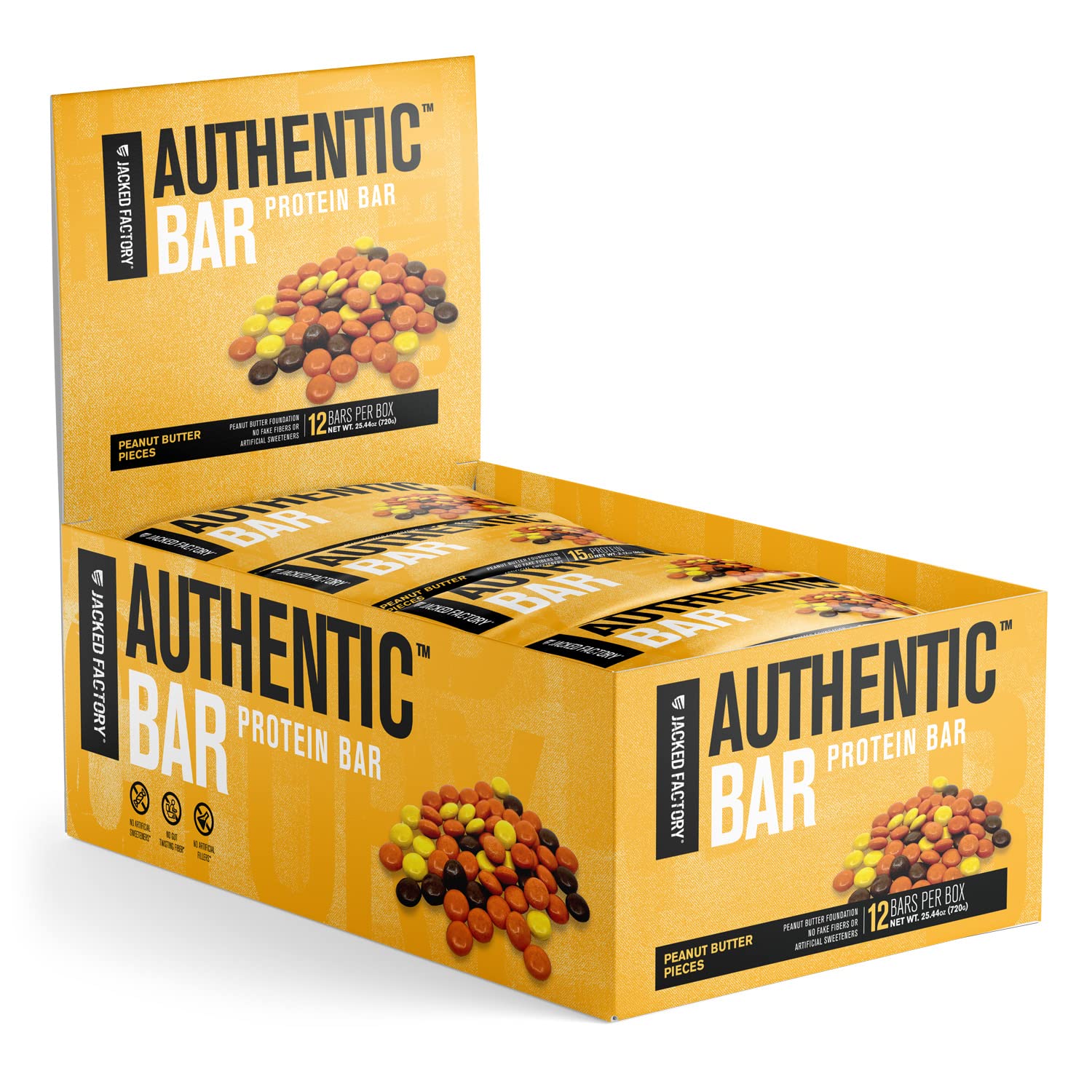
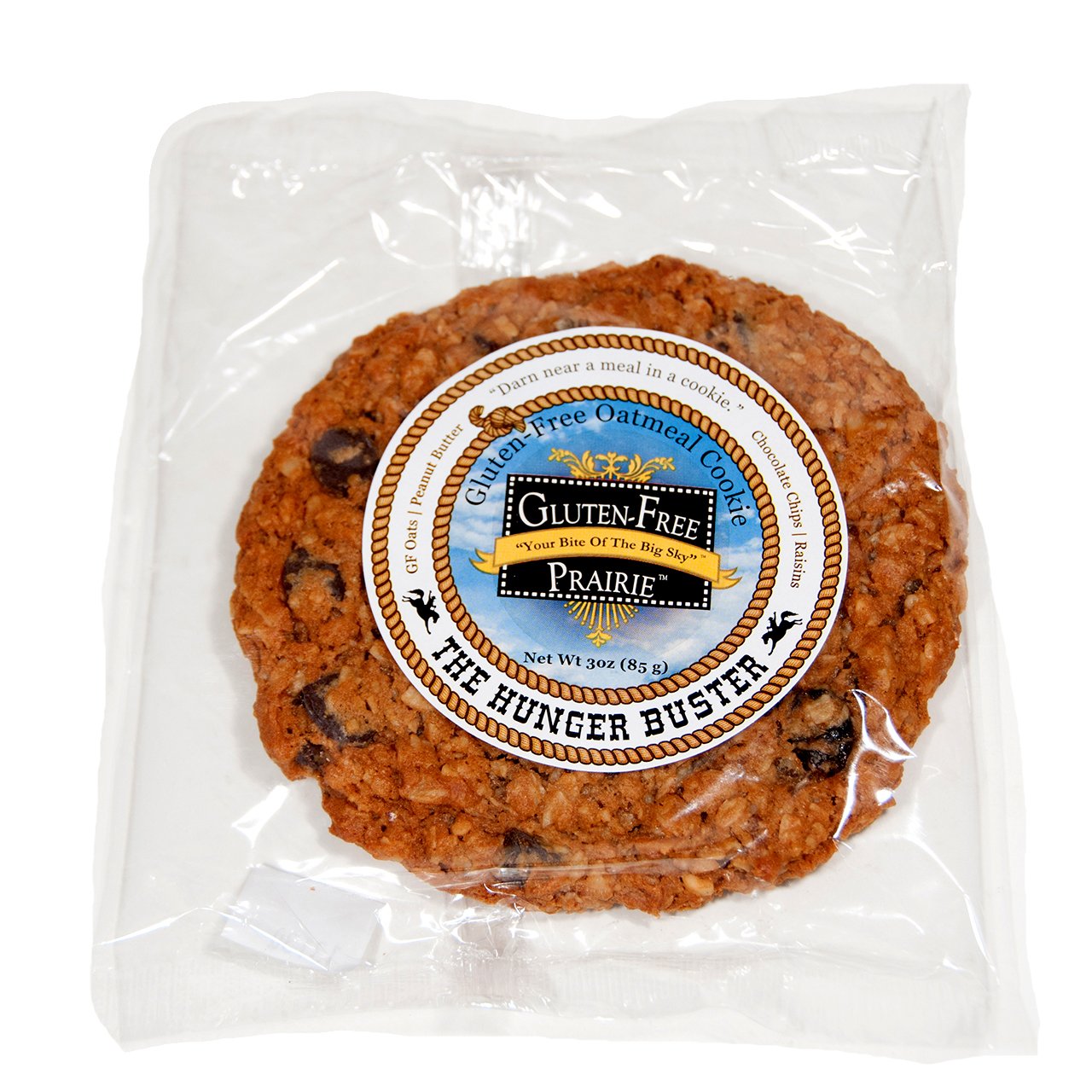
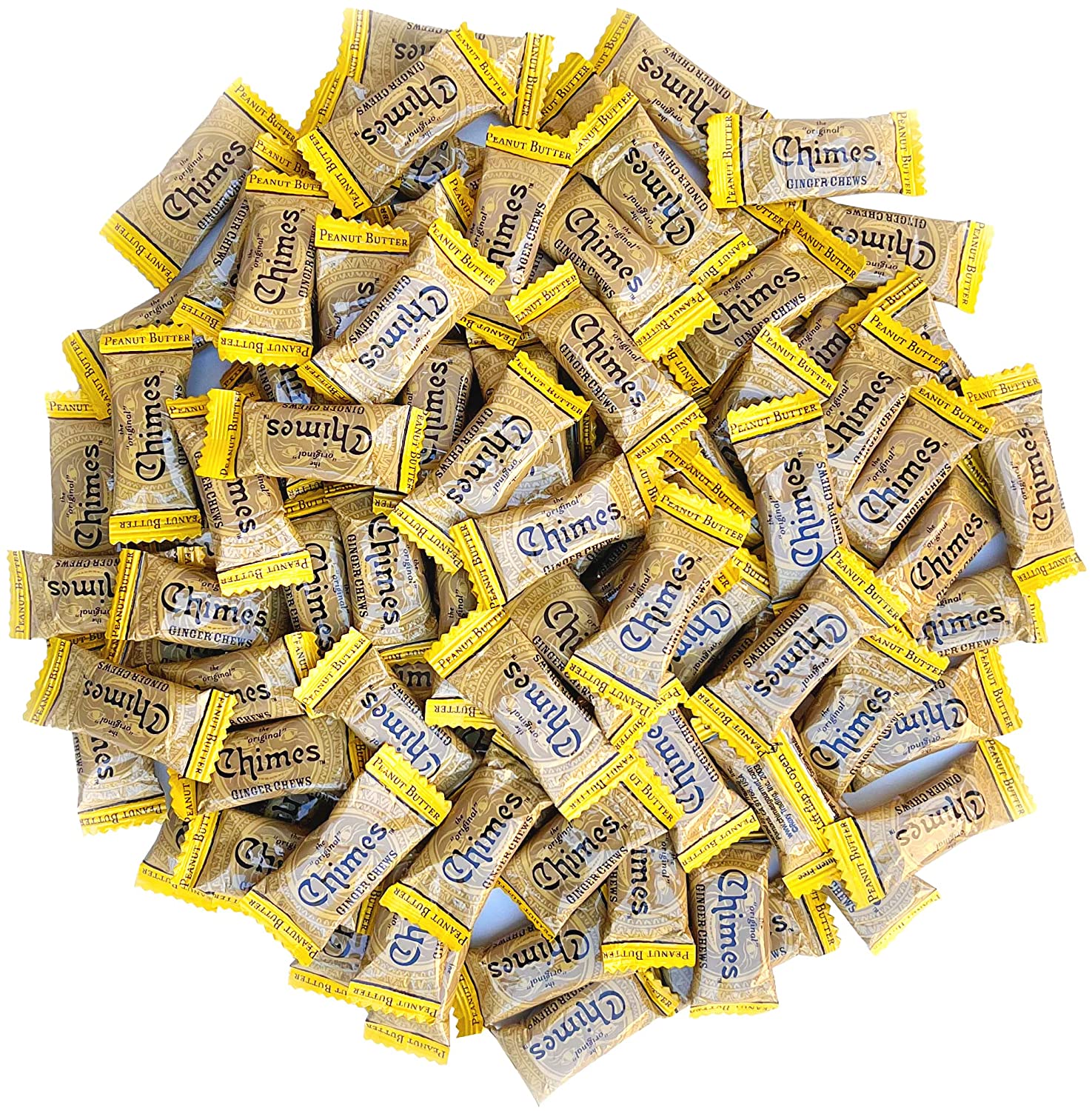
We booked all our huts as “half board,” meaning that breakfast and dinner are included in the price. Most huts will sell you a sack lunch, but these are typically very disappointing, especially for the price. Instead, we generally preferred to eat snack food for a trail lunch, and we stopped at a restaurant in Champex on Day 3 to get a hot, fresh meal.
Because the Mountaineering Haute Route goes through only one town, it is not very easy to restock snack foods. Moreover, my wife has several dietary issues, so she is careful to bring energy bars from home to ensure that she has something good to eat every day. We started the trek with seven days of snack food, so we didn’t have to worry about buying snack food at all.
It is important to stay hydrated with electrolyte drinks throughout the trek. We weren’t sure what electrolyte supplements would be available en route, so we each brought an ample supply from home. We occasionally shared a high-protein recovery drink at the end of long day.
Here is a post on My Favorite Trail Foods & Beverages.

<<< ————– >>>
Walker’s Haute Route Essentials Gallery
Clink to enlarge…
…
<<< ————– >>>
Return to Packing Lists homepage
Return to Gear Reviews, Packing Lists & Trailcat Tips homepage